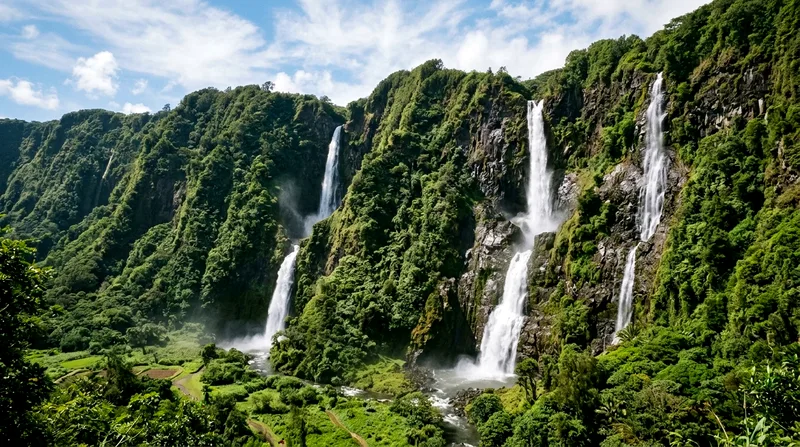
Big Island Itinerary: 5-Day Volcanoes, Beaches and Waterfalls
A practical 5-day Big Island itinerary covering Kona, Hawaii Volcanoes National Park, Hilo and Waipio Valley, with what to pre-book and where to stay.
10 min read · 21 Oct 2026
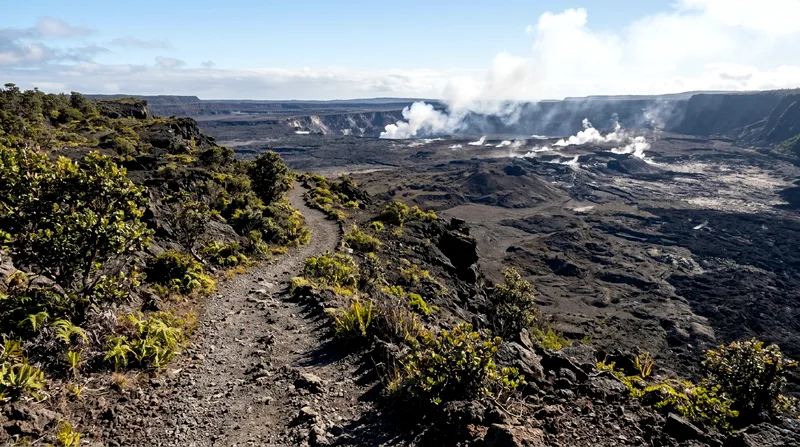
Tours & activities
Compare Hawaii Volcanoes National Park tours by van, helicopter, self-drive and island day trip to find the right fit for your time, budget and fitness.
Every visitor to the Big Island eventually asks the same question: what's the best way to actually see Hawaii Volcanoes National Park? There's no single right answer, because it depends on how much time you have, how your legs and lungs handle elevation and uneven ground, and whether you want a guide explaining Kīlauea's geology or prefer to wander Crater Rim Drive at your own pace with a map and a coffee.
Hawaii volcanoes national park tours range from two-hour van loops that hit the highlights to full-day private excursions that include Chain of Craters Road, a sunset at the caldera, and a stop in Hilo for malasadas. Helicopter tours give you an aerial read of the whole volcanic landscape in under an hour but cost several times what a ground tour does. Self-driving is the cheapest and most flexible option, assuming you're comfortable navigating park roads and reading trail difficulty signs yourself.
My honest take: the "tour" framing oversells what most people need. The park is a US National Park with paved roads, marked trails, and a visitor center — it's not a remote jungle requiring a guide to access. Where guided tours earn their cost is in interpretation (what you're actually looking at), logistics (someone else drives after a long flight day), and access to experiences like lava tube walks or ranger-led hikes you might skip on your own out of uncertainty.
If you have half a day and a tight budget, skip organized tours entirely and self-drive from Hilo — it's about 45 minutes to the park entrance, and the entrance fee (checked at booking, but historically around $30 per vehicle, valid seven days) covers Crater Rim Drive and most overlooks. If you're coming from Kona, budget closer to two and a half hours each way, which changes the math considerably — at that distance, a guided day tour that handles the driving starts to make more sense than burning five-plus hours behind the wheel. Families on a budget should treat this as a full-day commitment from Kona, not a quick detour.
For travelers with more to spend and limited time — cruise passengers, or anyone doing the Big Island in two days — a private guided tour or a helicopter flight compresses the experience efficiently. You pay for time saved, not just comfort.
Crater Rim Drive and most overlooks are accessible by car with short, flat walks to viewpoints — fine for seniors and travelers with limited mobility. The Kīlauea Iki Trail is a different story: it's a 4-mile loop that descends roughly 400 feet into a former lava lake, takes two to three hours, and involves uneven volcanic rock underfoot. It's moderate, not strenuous, but it's not a stroll either. If knees or balance are a concern, stick to rim-level viewpoints and skip crater-floor hikes — no tour guide can make uneven lava rock smooth. Helicopter tours are the obvious workaround for anyone who wants the scale of the landscape without the legwork.
Hawaii volcano tour options fall into five broad categories, and they don't overlap as much as marketing pages suggest. Understanding what each actually includes saves you from booking the wrong one.
Guided van tours typically run four to eight hours, include round-trip transport from Kona or Hilo, a driver-guide who narrates geology and Hawaiian cultural context, and stops at Steam Vents, Kīlauea Overlook, Thurston Lava Tube, and sometimes a short stretch of Chain of Craters Road. Lunch is sometimes included, sometimes not — check before booking. These suit travelers who don't want to drive and like having questions answered in real time.
Helicopter tours depart from Hilo, Kona, or Waikoloa and last 45 minutes to just over an hour in the air. They cover Kīlauea's summit caldera, active or recently active flow fields when conditions allow, and often loop toward remote valleys inaccessible by road. This is the only way to see certain lava features from above, but it's weather-dependent and the most expensive category by a wide margin.
Self-drive is exactly what it sounds like: rent a car, buy or use your park pass, and go at your own pace. It's the cheapest option by far and the most flexible, but you lose the narration and need to do some homework beforehand on which trails suit your fitness level.
Self-drive is cheapest and most flexible, while helicopter tours are fastest but priciest and weather-dependent.
Hawaii Volcanoes National Park tour types compared by time, cost and fitness demand
| Tour Type | Typical Duration | Cost Level | Fitness Demand | Flexibility |
|---|---|---|---|---|
| Guided van tour | 4-8 hours | Moderate | Low to moderate | Low (fixed stops) |
| Helicopter tour | 45-75 minutes | High | Low | Low (weather-dependent) |
| Self-drive | Half day to full day | Low | Varies by trail chosen | High |
| Private guided tour | 6-10 hours | High | Moderate | High (customizable) |
| Day trip from Maui/Oahu | 10-12 hours total | High | Low to moderate | Low (fixed itinerary) |
Typical figures based on common itinerary structures; durations, closures and costs vary by season and volcanic activity, so check current conditions before you book.
Van tours sit in the middle on cost and convenience — you're not driving, but you're also on someone else's schedule and sharing the vehicle with a group, typically ten to twenty people. Helicopter tours deliver a completely different perspective but compress your experience to under an hour in the air, with no chance to stop and linger at a spot that catches your eye. Self-drive wins on cost and flexibility but demands more planning: you'll need to check road closures (Chain of Craters Road sections do close periodically due to volcanic activity) and trail conditions yourself through the National Park Service site before you go.
If you're based on Maui, Oahu, or Kauai, a Big Island volcano day trip usually means a round-trip flight (about 40 minutes from Maui, longer from Oahu or Kauai) paired with a ground tour on arrival. These are long days — often 12 hours door to door — and they're worth comparing honestly against just seeing Haleakalā on Maui instead, which offers its own volcanic crater experience without the inter-island flight. If Kīlauea's active geology is specifically what draws you, the day trip is justified; if you just want "a volcano," Haleakalā is simpler and cheaper.
Private tours put you alone (or with your own party) with a guide and vehicle, built around your pace and interests. Group tours put you with other travelers — typically eight to twenty people — on a fixed route with set stop times. The difference shows up most in how much you actually see versus how much you're told about what you're seeing.
Private guides can adjust for a sunset stop at the caldera, skip a crowded overlook, or add twenty minutes at Kīlauea Iki if your group wants to hike further than planned. Group tours can't do that — the itinerary is locked, and if someone in the van needs extra time at the restroom or lingers too long photographing steam vents, everyone waits or you fall behind.
The honest trade-off is cost versus control. Private tours generally run several times the price of an equivalent group tour, and for a couple or solo traveler, that premium is hard to justify unless flexibility matters a lot to you. For families with young children, though, a private tour can be worth it — you're not managing a toddler's meltdown in front of fifteen strangers, and you can shorten the hiking portions without holding up a group. Seniors who tire more easily also benefit from private pacing. If you're traveling solo on a budget, a group van tour or self-drive makes far more financial sense than paying private rates alone.
Not all Hawaii volcanoes national park tours listed online are equivalent, even within the same category. Read the fine print before you compare prices, because the cheapest-looking option sometimes excludes the park entrance fee, lunch, or hotel pickup — and those gaps close the price gap fast once you add them back in.
Check whether the park entrance fee is included or separate — it's a small amount but an easy thing to overlook. Confirm group size: a "small group" tour advertised at six to ten people is a very different experience from a forty-seat bus tour, even if both are labeled "guided." Ask whether Thurston Lava Tube, Kīlauea Iki, and Chain of Craters Road are included or optional add-ons, since some van tours only cover the summit area and skip the drive down to the coast, which cuts out some of the park's best scenery.
Helicopter tours are the most weather-sensitive booking you'll make on the Big Island — wind, vog (volcanic smog), and low cloud ceilings can ground flights with little notice. Look for a clear weather-cancellation and refund policy before paying, and avoid any operator whose policy isn't stated plainly on the booking page. Ground tours are more resilient but can still be affected by park closures tied to volcanic activity or seismic events, which happen periodically at Kīlauea. Always check current prices and recent reviews when booking, since conditions, trail access, and even road sections within the park can change with little warning.
Timing a Kīlauea volcano tour is less about season — the Big Island's weather is fairly consistent year-round at the park's elevation, around 4,000 feet, where it's noticeably cooler and wetter than the coast — and more about volcanic activity and crowd patterns.
Kīlauea has had multiple eruptive episodes in recent years, and visible lava is never guaranteed on any given trip — don't book a tour based on promises of lava viewing, because conditions can shift between the day you book and the day you arrive. Check the National Park Service's current eruption status page close to your travel dates. Winter (November through March) brings more rain and cloud cover, which can affect helicopter visibility more than ground tours. Summer months see more park visitors overall, so early morning starts help you beat both heat and crowds at popular overlooks.
Helicopter tours and small-group private tours sell out fastest, particularly in peak season (June through August, and around the winter holidays) — book two to four weeks ahead if you have specific dates in mind. Larger group van tours tend to have more availability and can often be booked a few days out. Self-drive obviously needs no advance reservation beyond your rental car, though renting early still gets you better vehicle options and rates.
For most travelers, renting a car and self-driving Crater Rim Drive and Chain of Craters Road, with one add-on like a ranger-led walk or the Kīlauea Iki hike, offers the best balance of cost, pacing, and depth. If you want aerial views of the whole volcanic landscape or have very limited time, pair that with a short helicopter flight instead of replacing the ground visit entirely.
Plan on four to six hours minimum to see the main overlooks, Thurston Lava Tube, and drive down Chain of Craters Road to the sea cliffs. A full day (seven to nine hours) lets you add the Kīlauea Iki Trail and a relaxed lunch without rushing between stops.
Sometimes, but never guaranteed. Kīlauea's activity is intermittent, and visible surface lava depends on the current eruptive phase, which can change within weeks. Check the National Park Service's eruption update page shortly before your trip, and treat any lava viewing as a bonus rather than the reason you booked.
Yes — helicopter tours depart from Hilo, Kona, and Waikoloa, typically running 45 minutes to just over an hour, covering Kīlauea's caldera and surrounding lava fields from above. They're weather-dependent, so check the operator's cancellation policy, and expect this to be the priciest category among volcano tour options.
Layers — the park sits around 4,000 feet and can be 15-20°F cooler and wetter than Kona or Hilo at sea level. Wear closed-toe shoes with grip for lava rock trails, bring a light rain jacket, and pack water since there's limited food and drink available inside the park itself.
A practical 5-day Big Island itinerary covering Kona, Hawaii Volcanoes National Park, Hilo and Waipio Valley, with what to pre-book and where to stay.
10 min read · 21 Oct 2026
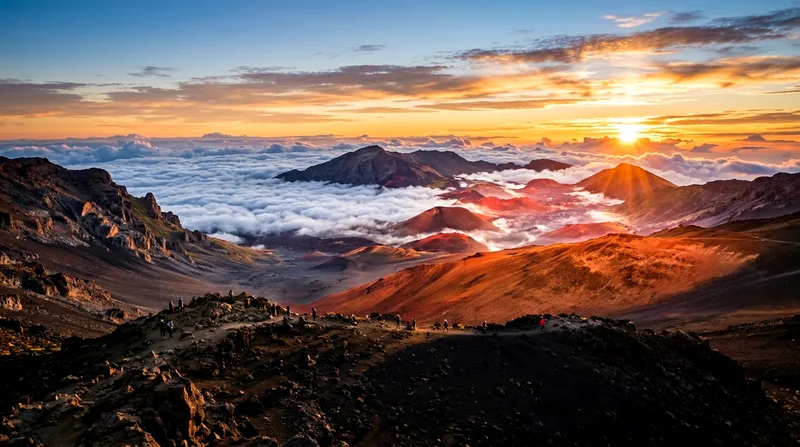
Plan a Haleakala sunrise tour on Maui: how the sunrise reservation works, guided van vs bike descent or self-drive, what to pack, and best timing.
11 min read · 21 Oct 2026
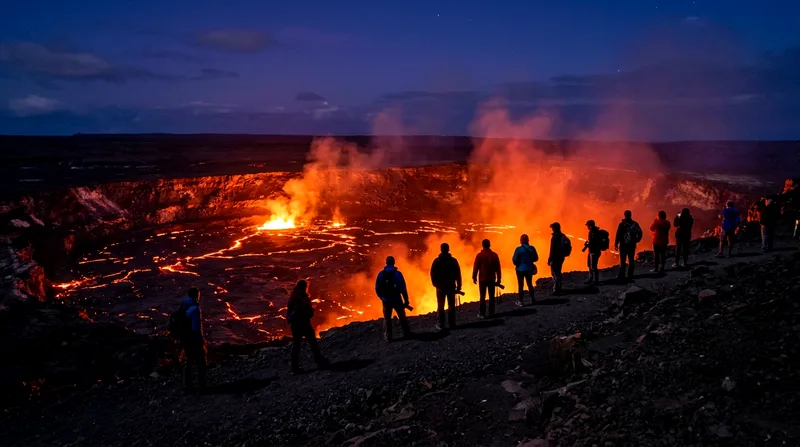
Learn how to see lava in Hawaii: how Kilauea eruption activity changes what you can see, the best viewpoints, and when to go for night glow.
10 min read · 21 Oct 2026
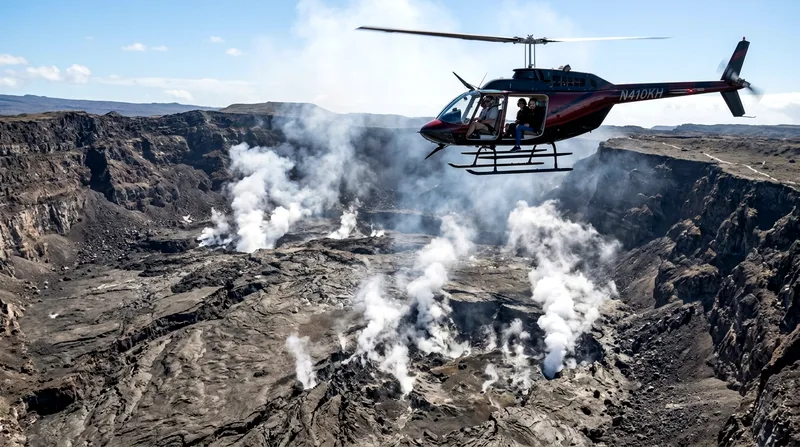
Big Island volcano helicopter tour vs ground tour: compare views, cost per hour, kids and seniors, and weather risk to pick the best way to see the volcano.
10 min read · 21 Oct 2026
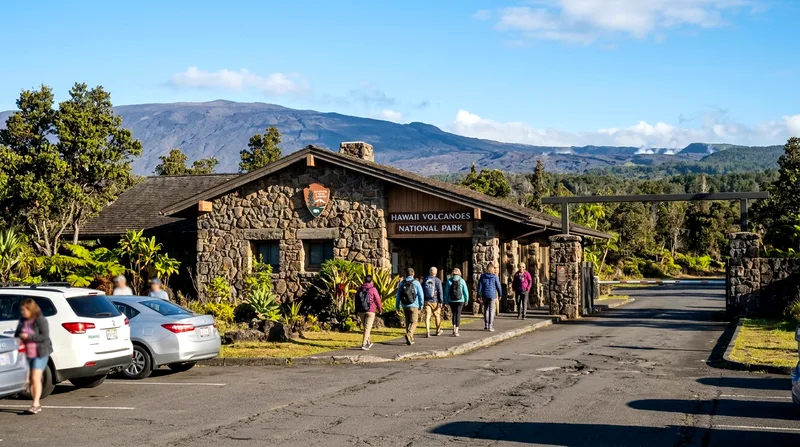
Hawaii Volcanoes National Park entrance fee explained: pass types, what each covers, when an annual or America the Beautiful pass pays off, and tour entry.
8 min read · 21 Oct 2026
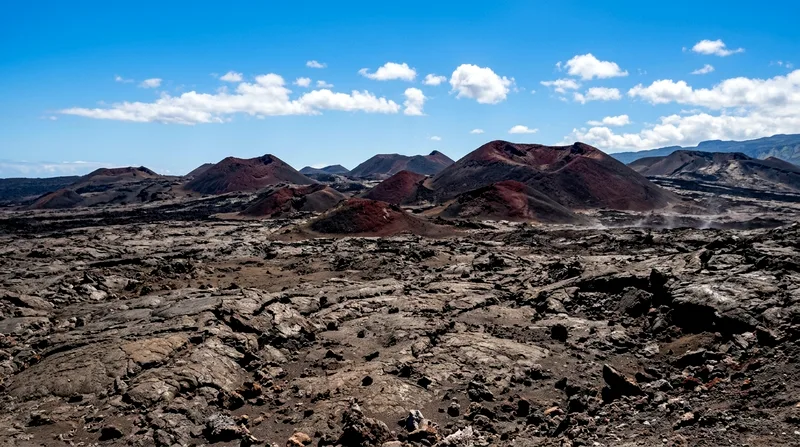
Compare Hawaii Volcanoes National Park tours from Kona: types, group sizes, stops along the drive, inclusions and when to book your trip.
4 min read · 21 Oct 2026
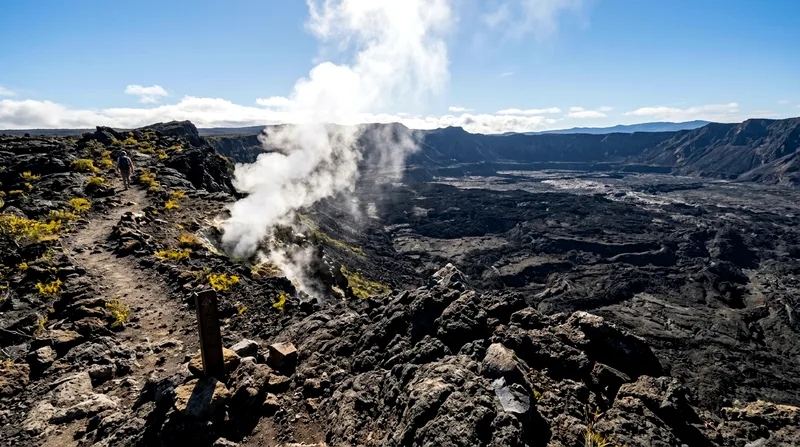
Compare Hawaii Volcanoes National Park tours from Honolulu: fly-in day trip logistics, tour types, costs vs DIY, and what to check before booking.
10 min read · 21 Oct 2026