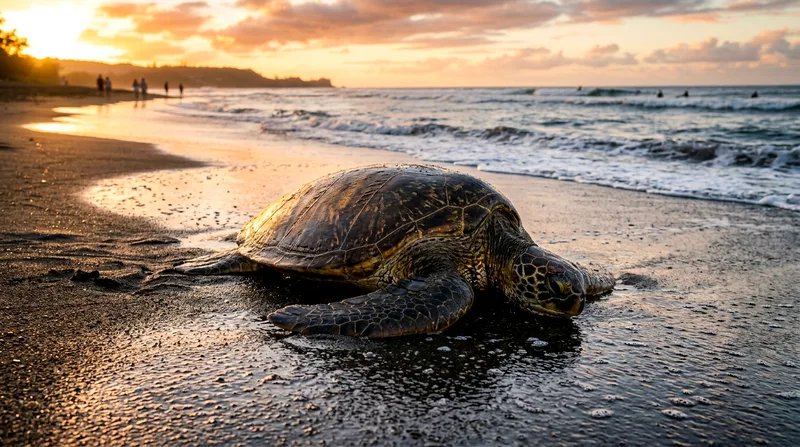
North Shore Oahu Tours: Shrimp Trucks, Surf Towns & Turtles
Compare North Shore Oahu tour types, from small-group food tours to full-day circle-island trips, and learn what to check before you book. No car needed.
10 min read · 21 Oct 2026
Tours & activities
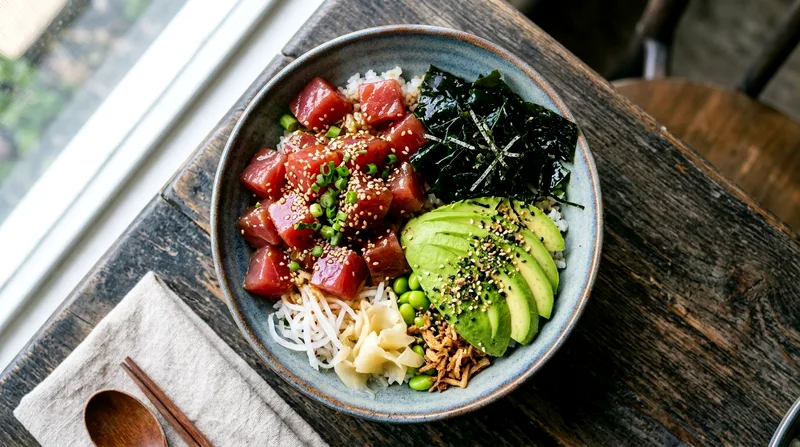
Compare Hawaii food tours by type: walking, poke, plate lunch, coffee and farm-to-table. Learn who each suits, what to check and when to book.
A plate lunch — two scoops of rice, a scoop of macaroni salad, and a protein like kalua pork or teriyaki chicken — isn't just lunch. It's a menu built by plantation workers from Japan, the Philippines, Portugal, China, and Korea, who pooled what they had into one tray because that's what fit in a lunch pail. Poke started as a fisherman's snack, raw reef fish seasoned with sea salt and seaweed, and has since gone upscale without losing its roots. Manapua, Hawaii's version of a Chinese steamed bun, shows up at gas stations and bakeries alike. None of this food happened by accident, and a good tour explains why it tastes the way it does instead of just handing you samples.
Hawaii food tours range from two-hour Honolulu walking tours with six or seven tasting stops to half-day farm visits on the Big Island where you pick cacao pods or watch coffee cherries get pulped. Prices for a standard walking or tasting tour typically run in the $70–$150 per person range; farm tours with transportation and a full meal often land higher. This guide breaks down the formats so you can match one to your island, your group, and how hungry you actually are.
Not every food tour fits every traveler, and the biggest mistake I see is booking based on island popularity rather than tour content. A Waikiki hotel guest with two free hours wants something different than a retired couple spending a week on Kauai with a rental car and no fixed schedule.
If this is your first trip to Hawaii, a Honolulu walking food tour through Chinatown or downtown is the single best orientation activity you can book in the first 48 hours. You'll learn the difference between Hawaiian, Japanese, Filipino, and Chinese influences on local food while walking off jet lag in two to three miles of flat, shaded streets. Families with kids under eight should be cautious, though — these tours involve a lot of standing, some unfamiliar smells (fermented foods, dried fish), and pacing meant for adults. Kids ten and up generally do fine, especially if they already like trying new foods. For younger families, a farm tour with animals and open space — a working farm on Oahu's North Shore or in Maui's upcountry — holds attention better than a market crawl.
Serious eaters and anyone who wants the plantation-era backstory should look for tours explicitly built around history — some Honolulu operators partner with local historians or longtime residents rather than generic guides, and it shows in the depth of explanation at each stop. If you follow a specific diet, don't assume accommodation is automatic. Poke tastings are naturally pescatarian-friendly but rarely vegan; plate lunch tours lean heavy on pork and fried foods. Gluten-free travelers should ask specifically about manapua and mochi-based desserts, which almost always contain wheat. Farm tours are generally the safest bet for vegetarians, since you're tasting raw cacao, coffee, and fruit rather than composed dishes.
Hawaii food tours fall into a handful of clear categories, and understanding the format matters more than which company runs it.
Walking tours cover the most ground and cultural variety, while farm tours offer a slower, single-subject deep dive.
Hawaii food tour categories compared by format, pace and best use
| Tour Type | Typical Duration | Physical Effort | Best For | Dietary Flexibility |
|---|---|---|---|---|
| Honolulu walking tour | 2-4 hours | Moderate walking | First-time visitors, history fans | Moderate |
| Poke and seafood tasting | 1.5-3 hours | Light walking | Seafood lovers, pescatarians | Good for pescatarian, limited vegan |
| Plate lunch tour | 2-4 hours | Moderate walking | Comfort food fans, bigger appetites | Limited for vegetarian/vegan |
| Coffee farm tour | 45 min-2 hours | Minimal | Coffee enthusiasts, couples | Easy, mostly tastings |
| Cacao farm tour | 1-2 hours | Minimal to light hiking | Families, chocolate lovers | Easy, vegetarian-friendly |
| Farm-to-table tour | 3-5 hours | Light to moderate | Food lovers, special occasions | Can accommodate most diets with notice |
Typical figures based on common tour structures; exact duration, stops and inclusions vary by operator, so confirm details before booking.
Walking food tours are the backbone of the Hawaii food tour market, especially in Honolulu. Expect two to four hours, five to eight tasting stops, and one to three miles of walking on flat urban terrain. These tours typically bundle poke, plate lunch, manapua, and a local dessert like malasadas or haupia into one route, which is efficient if you want breadth over depth. A dedicated poke-and-seafood tasting is a narrower, often shorter format — sometimes built around a single fish market — and suits travelers who already know they love raw fish and want the full range: ahi, tako (octopus), and spicy varieties, explained stop by stop. Plate lunch tours, meanwhile, tend to run heavier and slower, since each stop is closer to a full meal than a bite-sized sample. Pace yourself — I've seen people regret stacking a poke tasting and a plate lunch tour on the same day.
Hawaii coffee farm tours concentrate on the Big Island's Kona district, where volcanic soil and misty afternoons create the growing conditions Kona coffee is known for, though smaller coffee farms now operate on Maui and Kauai too. A typical visit runs 45 minutes to 90 minutes, covers the plant-to-cup process, and ends with a tasting flight — this is closer to a wine-tasting format than a meal. Hawaii cacao farm tours are newer and smaller-scale, mostly on the Big Island and parts of Oahu, and let you handle raw cacao pods before sampling chocolate made on-site. Both formats work well as a half-day add-on to a longer island itinerary rather than a standalone outing.
Group tours (six to sixteen people) cost less per person and suit solo travelers and couples who like meeting other visitors. Private tours cost more — often double — but make sense for families with picky eaters, travelers with complex dietary restrictions, or anyone wanting a flexible pace rather than a fixed schedule.
Where you're staying should drive your choice more than any ranking of "best" Hawaii food tours — the options genuinely differ by island.
Oahu has the deepest bench of food tours in the state, concentrated in Honolulu's Chinatown, Kaka'ako, and downtown districts. This is where the multicultural food history is most visible — Chinese dim sum counters sit blocks from Japanese izakaya and Filipino bakeries, a layout that traces directly back to immigrant plantation labor routes. A Honolulu food tour booked from a Waikiki hotel usually includes round-trip transport or meets at a rideshare-friendly point, since Chinatown itself isn't walkable from Waikiki (it's roughly 3 miles, a 10-15 minute drive). Avoid any tour that stays entirely within Waikiki's resort corridor — the food there is priced for tourists and rarely represents what locals actually eat.
Maui's food tours lean toward upcountry farm visits around Kula and Makawao, plus a smaller number of Lahaina-area tastings rebuilding post-wildfire. Kauai has fewer formal food tours overall but strong farm-to-table options tied to its small-farm agriculture scene, particularly on the North Shore. Hawaii Island (the Big Island) is the center of Hawaii farm tours generally — Kona coffee farms, cacao farms near Hilo and Hamakua, and working ranches that pair beef tastings with local produce. If farm-to-table is your priority over walkable urban tastings, the Big Island or Kauai will serve you better than Oahu.
The tour description rarely tells you everything that matters, so a few extra minutes of research before booking saves real disappointment.
Confirm exactly how many tasting stops are included and whether "tasting" means a few bites or a full plate — descriptions use these terms loosely. Ask about group size: anything over 16 people makes it hard to hear the guide and slows down market-stall stops considerably. Check whether gratuity, transportation, and non-alcoholic drinks are included, since some tours list a base price that excludes shuttle pickup from Waikiki hotels. If walking distance or standing time is a concern — relevant for some senior travelers or anyone with mobility limitations — ask directly about terrain and total walking distance rather than assuming "walking tour" means easy strolling.
Hawaii's weather and occasional vog (volcanic haze, mostly a Big Island issue) can affect outdoor farm tours, so check the cancellation and rain policy before paying in full. Most reputable tours allow free cancellation 24 to 48 hours ahead — anything stricter is a caution flag. For dietary needs, email or call ahead rather than relying on a checkbox at checkout; shellfish allergies in particular need direct confirmation since poke and seafood tastings often share prep surfaces. Pregnant travelers should also ask about raw fish and unpasteurized items on poke or farm-to-table menus.
Timing affects both availability and what you'll actually get to taste, which matters more with agricultural tours than urban ones.
Kona coffee cherries are typically harvested between August and January, so coffee farm tours scheduled during that window often let you see active picking or processing rather than just the retail side. Cacao in Hawaii can produce pods somewhat year-round in the right microclimate, but tours still vary by what's ripe that week. Plate lunch and poke tours run consistently year-round since they're not tied to harvest, making them a safer bet if you're traveling in spring or fall shoulder seasons and want guaranteed full programming.
Book Honolulu walking and poke tours two to three weeks ahead for summer (June-August) and winter holiday travel (mid-December through early January), Hawaii's two busiest tourist periods. Farm tours, especially small cacao operations with limited daily capacity, can sell out a month or more in advance during peak season. Shoulder season travelers (April-May, September-October) often find availability within a week, but private tours and sunset-timed farm visits still benefit from earlier booking. Always compare current prices and reviews before you book, since availability and seasonal offerings shift throughout the year.
A solo traveler with two days in Waikiki should prioritize a Honolulu walking tour over a farm visit — it delivers more cultural context per hour. A family road-tripping the Big Island has time to pair a Kona coffee farm stop with a cacao tasting the same afternoon. Couples celebrating an anniversary might skip group tours entirely and book private, paying the premium for pace and privacy. Compared to a Maui luau dinner or a Fiji resort meal plan, Hawaii's food tours offer something those destinations rarely match: a direct, walkable link between the dish on your plate and the immigrant history that created it. Book two to three weeks out if you're traveling in summer, check dietary accommodations directly with the operator, and pair your food tour with an island-specific itinerary rather than treating it as a standalone activity.
The strongest options are Honolulu walking tours through Chinatown and downtown, poke and seafood tastings near Oahu's fish markets, and farm-to-table tours on the Big Island combining coffee or cacao with a full meal. Rather than a specific company, look for small group sizes (under 16), clear stop counts, and recent reviews mentioning the guide by name — that's usually a sign of consistent quality.
Expect two to four hours, five to eight tasting stops, and one to three miles of walking through Chinatown or downtown Honolulu. You'll typically sample poke, manapua, a plate lunch component, and a local dessert like malasadas, with the guide explaining the Chinese, Japanese, Filipino, and Native Hawaiian influences behind each dish as you go.
Yes, concentrated mainly on the Big Island, Maui's upcountry (Kula, Makawao), and Kauai's North Shore. These typically run three to five hours, include a farm walk plus a cooked meal using what's grown on-site, and cost more than standard walking tours because of the land access and meal preparation involved.
Poke is raw fish, usually ahi tuna, cut into cubes and seasoned with soy sauce, sesame oil, seaweed, and sometimes chili or onion — originally a quick snack for Hawaiian fishermen. You'll find it on most Honolulu walking tours and on dedicated poke tastings near Oahu's fish markets and grocery deli counters, which often serve the freshest and most varied versions.
Oahu has the most walking and urban food tours, concentrated in Honolulu, because of its dense immigrant food history. The Big Island leads for farm, coffee, and cacao tours due to its volcanic soil and active growing regions. Choose based on whether you want dense cultural tastings (Oahu) or slower agricultural experiences (Big Island, Kauai).
Compare North Shore Oahu tour types, from small-group food tours to full-day circle-island trips, and learn what to check before you book. No car needed.
10 min read · 21 Oct 2026
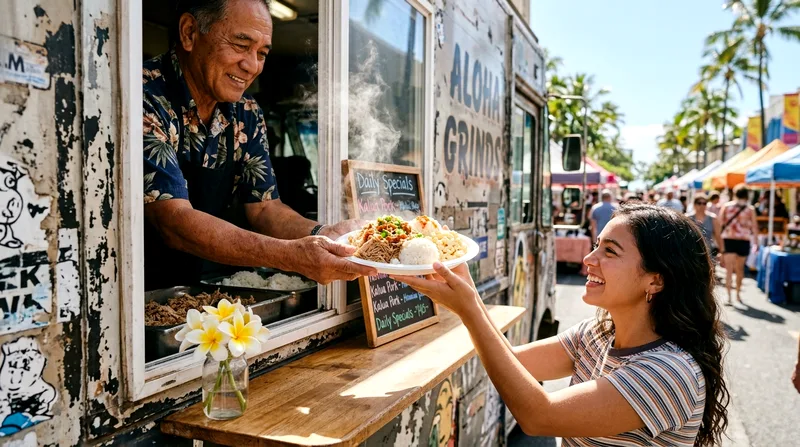
Hawaii food prices can sting, but plate lunches, happy hours, food trucks and tasting tours help you eat well for less. See where meal money goes.
9 min read · 21 Oct 2026
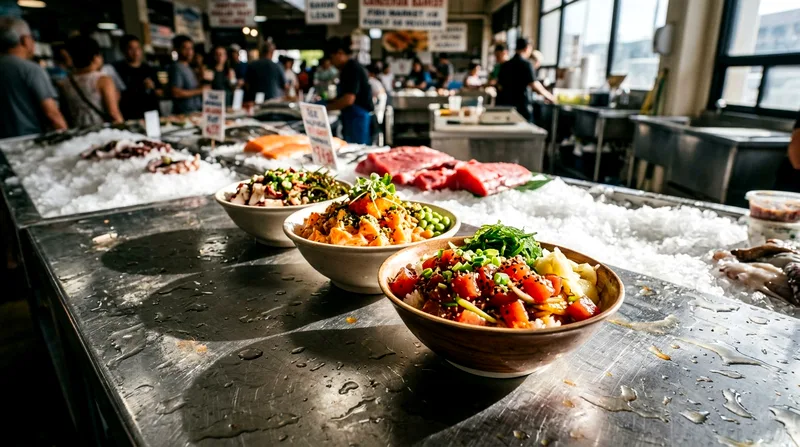
Discover the best poke in Honolulu: learn what poke is, the authentic styles locals order, the markets and shops worth visiting, and how to spot fresh fish.
10 min read · 21 Oct 2026
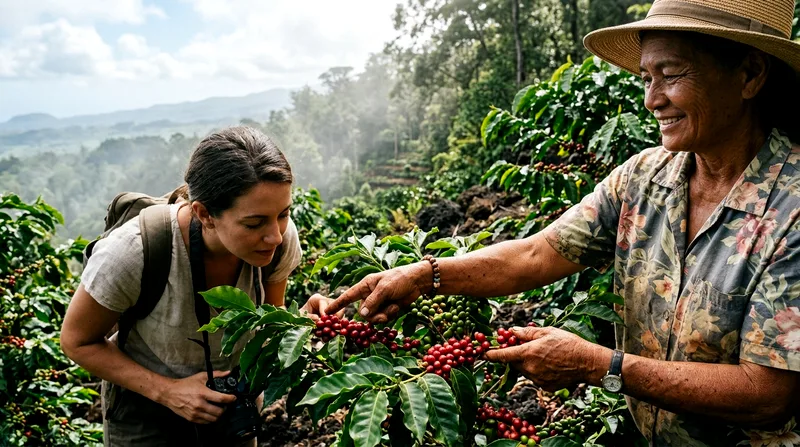
Compare free tasting rooms and paid Kona coffee farm tours on the Big Island, see which show the full bean-to-cup story, and how to book.
9 min read · 21 Oct 2026
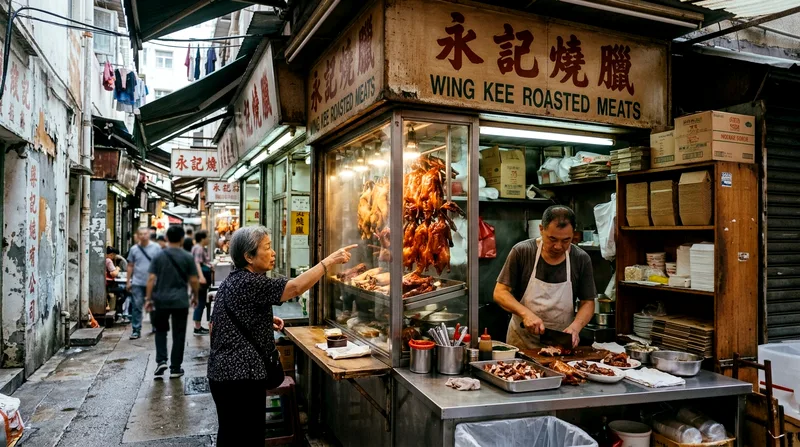
Compare Honolulu food tours by neighborhood, tastings and dietary flexibility, from Chinatown to Kaimuki and Waikiki, plus what to check before booking.
10 min read · 21 Oct 2026
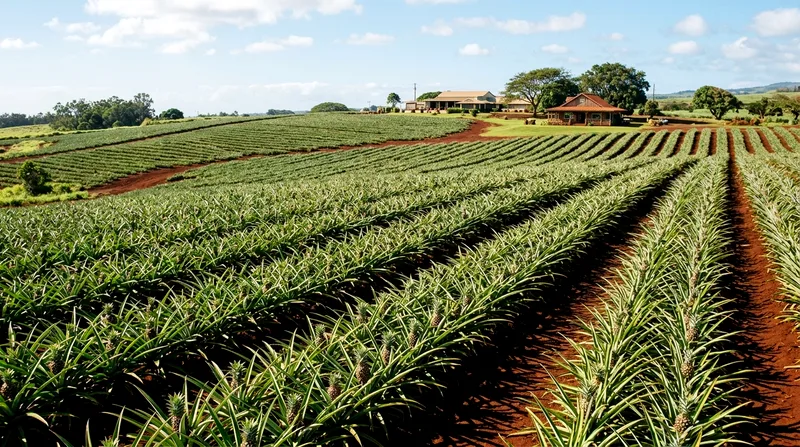
Plan your Dole Plantation tour: compare ticket options, see what the Pineapple Express train covers, get maze and Dole Whip tips, and build a car-free North Shore day.
9 min read · 21 Oct 2026