Big Island volcano helicopter tour vs ground tour: compare views, cost per hour, kids and seniors, and weather risk to pick the best way to see the volcano.
Helicopter vs Ground Tour at a Glance
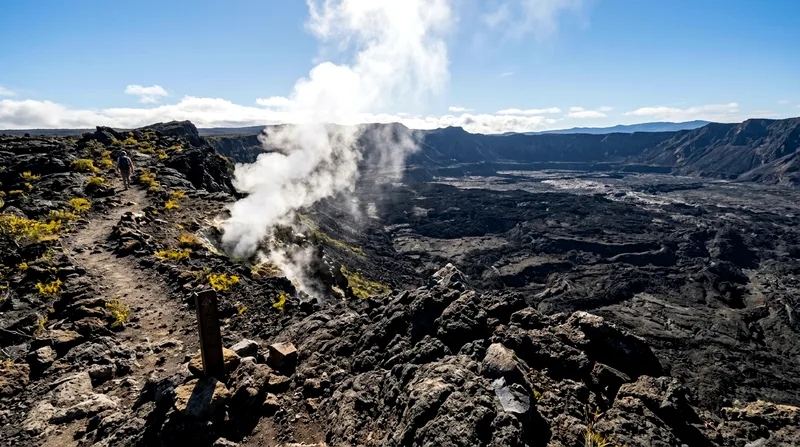
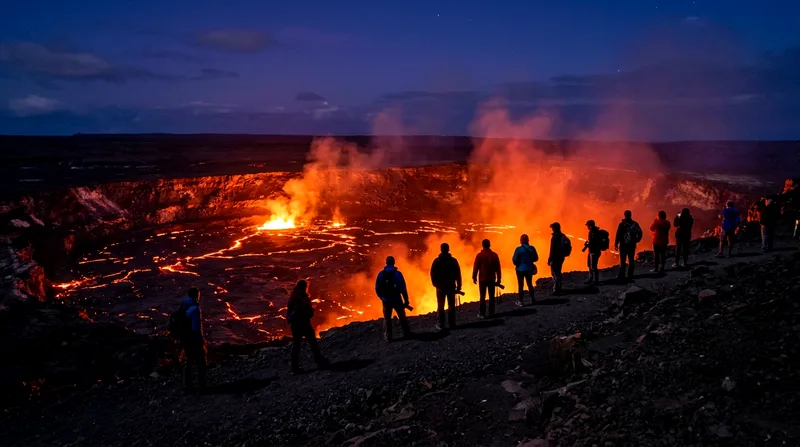
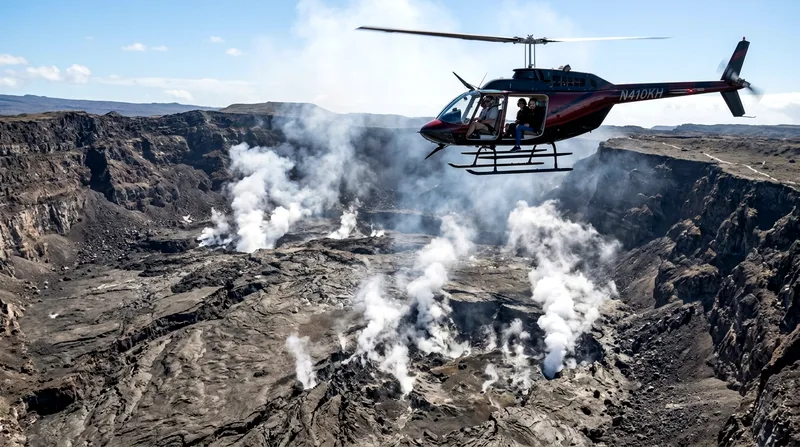
The core trade-off on the Big Island volcano helicopter tour vs ground tour question comes down to this: altitude versus access. A helicopter gets you over the Kilauea caldera, the lava fields stretching toward the coast, and — depending on activity — glimpses of glowing vents that are completely closed to foot traffic. A ground tour gets you inside Hawaii Volcanoes National Park, where you can stand at the rim of Halemaumau Crater, walk through Thurston Lava Tube, and drive Chain of Craters Road down to where old flows met the sea.
Neither is objectively better. A helicopter flight runs roughly 45 minutes to an hour for the volcano-focused routes out of Hilo, sometimes bundled with coastline or waterfall detours that push it toward 90 minutes. A ground tour, by contrast, is a full day commitment — most visitors spend four to seven hours in the park if they want to do it properly, including the drive from Kona or Hilo.
I'd push back on anyone who tells you the helicopter is "the only way to really see it." That's marketing talk. Yes, lava fields look extraordinary from 1,000 feet, but you lose texture, smell, and the eerie quiet of standing near a steam vent. The ground tour loses the scale — you can't see how far a flow traveled from a trailhead. They answer different questions.
A helicopter tour trades hours and legwork for altitude and lava-field scale, while a ground tour trades a full day for close-up access inside the national park.
Big Island volcano helicopter tour vs ground tour compared by cost, time, effort and views
| Option | Typical Duration | Cost Level | Physical Effort | Best View Type |
|---|---|---|---|---|
| Helicopter tour (volcano-focused) | 45–60 min | High | Low | Crater rim, lava fields, scale |
| Helicopter tour (doors-off) | 45–75 min | Highest | Low-moderate (wind, cold) | Unobstructed aerial photography |
| Self-drive ground tour | 4–7 hrs | Low-moderate | Moderate (walking, some uneven terrain) | Crater rim close-up, lava tube, coastal flows |
| Guided ground tour (van/small group) | 6–10 hrs | Moderate | Low-moderate | Same as self-drive, plus narration |
| Combo air + ground day | Full day | Highest | Moderate | Both — scale and detail |
Figures are typical ranges; exact durations, routes and pricing depend on the operator, aircraft type and current park access, so check before booking.
Quick Comparison Table
Below is the fast version for anyone comparing options before they book. Use it to sanity-check what you're actually paying for, then read the sections after for the reasoning behind each column.
Doors-Off Flights From Hilo
If you've seen "doors off helicopter Hilo" come up in your research, it's worth understanding what that actually changes. Doors-off (or "half-doors") flights remove the barrier between you and the air for unobstructed photography — no reflections, no glass glare on lava glow at dusk. They're not inherently more dangerous; operators still use the same safety harnesses and weight limits. But they are colder, louder, and windier, and not every operator runs them out of Hilo specifically for volcano routes — some reserve doors-off for coastline or waterfall flights instead. If photography is your main reason for flying, ask specifically when you compare current tours, since doors-off availability depends on the aircraft and route, not just the company.
What You Actually See From Each
This is where most people make their decision, and it should be — the views genuinely differ, not just in angle but in kind.
Aerial Views of Lava Fields and Craters
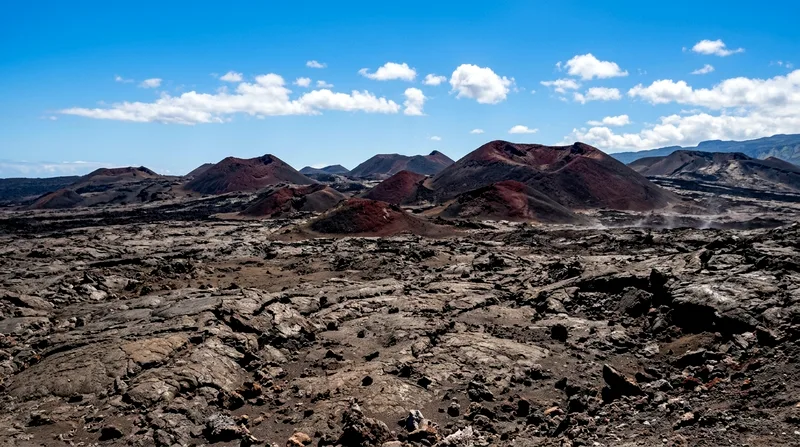
From the air, you get context. You see how the 2018 lower Puna flows reshaped the coastline, how the summit caldera sits inside a much older collapsed crater, and how far lava fields stretch inland versus toward the ocean — distances that are hard to grasp on foot. On a clear day, pilots will often circle Halemaumau Crater, giving you several minutes of hover time over the vent area. Whether you see glow or steam depends entirely on current volcanic activity, which changes — a flight booked expecting visible lava is a gamble, not a guarantee, and operators are upfront that eruptive activity is unpredictable.
The downside: you're seeing it through a window (or wind, if doors-off) for a few fleeting minutes per vantage point. There's no lingering. If you want to really absorb a single view, the helicopter isn't built for that.
Ground-Level Access in the National Park
On the ground, Hawaii Volcanoes National Park gives you time. You can stand at Kilauea Overlook for twenty minutes if you want, walk the Thurston Lava Tube (about a 15-20 minute loop through a collapsed lava cave), and drive the roughly 19-mile Chain of Craters Road down to the coast, stopping at pullouts to see older solidified flows up close. The Sulphur Banks and steam vents near the visitor center are a short, flat walk — good for travelers who don't want a hike.
What you won't get on the ground is the active flow itself, if there is one — recent eruptions have mostly been confined to areas closed to the public for safety. The park's access points shift depending on current activity, so check the National Park Service alerts before you go; some sections of Crater Rim Drive have been closed for years due to past eruptions and still aren't fully reopened.
Cost Per Hour, Time and Effort
Comparing "cost" directly is misleading, because you're buying different amounts of time. A helicopter tour delivers a concentrated, pricey hour. A ground tour delivers a cheap, long day. Per hour, the helicopter is by far the more expensive way to see the volcano — often several times the hourly cost of a self-guided park visit once you factor in the park entrance fee, which is modest and covers multiple days.
Cost Level and Value Per Hour
Think of it this way: a guided van tour or self-drive day in the park costs you mainly time and a tank of gas plus the park entrance fee. A helicopter flight costs a premium for a compressed experience — you're paying for aircraft operation, fuel, and pilot expertise, not just scenery. If you're traveling with a partner and splitting a splurge day, the helicopter can feel justified as a one-time experience. If you're trying to stretch a week across Hilo, Kona, and maybe a day trip toward Waipio Valley, the ground tour is the better use of a travel budget, especially with kids where per-seat helicopter pricing adds up fast.
Travel Time and Physical Effort
Ground touring demands more of your legs and your schedule. Expect several miles of walking if you do the overlook, lava tube, and a few Chain of Craters stops. None of it is strenuous hiking — these are mostly paved or well-maintained paths — but it adds up over a full day in heat and occasional vog (volcanic smog). A helicopter tour, by comparison, asks almost nothing physically: you sit, you buckle in, you fly. For anyone with limited stamina, that's a real advantage, though it comes with its own comfort trade-offs covered next.
Weather Risk, Safety and Comfort
Weather hits each tour type differently, and this is an underrated factor in deciding which to book — and when.
Cloud, Rain and Vog Visibility
Hilo's windward location means rain and low cloud are common, especially in winter months, and helicopters can't fly safely through heavy cloud cover over the crater — flights sometimes reroute or get rescheduled. Vog, the sulfur-dioxide haze that drifts from volcanic activity, can also flatten visibility from the air on bad days. Morning flights tend to have better odds of clear conditions before afternoon clouds build up, which is why many operators schedule volcano routes early.
On the ground, weather matters less for whether you can go, but more for comfort — rain makes the park's exposed overlooks miserable, and vog on bad days can genuinely irritate eyes and airways, something asthma sufferers should take seriously. Check the air quality index for the park area if you have respiratory concerns; it's published and updated regularly.
Safety Questions and Motion Comfort
Helicopter tourism in Hawaii operates under FAA oversight, and reputable operators carry out standard pre-flight checks, but no form of small-aircraft flight is risk-free — if you have significant anxiety about flying in small aircraft, this isn't the tour to push through for the sake of it. Doors-off flights add wind noise and cooler temperatures that can unsettle first-time flyers.
On the ground, the main safety consideration is heat, uneven lava rock near unmarked areas (stay on marked trails — people do wander off and get hurt on brittle lava crust), and occasional park closures tied to volcanic gas levels. Motion sickness is rarely an issue on the ground; it's a legitimate concern in a helicopter for sensitive travelers, so consider timing your flight away from a heavy breakfast.
Who Should Pick Which Tour
There's no universal right answer here — it depends on who's traveling and what they can physically and financially handle.
Kids and Seniors
Most helicopter operators set minimum age or weight requirements, and very young kids often don't do well with headset communication systems or engine noise for a sustained period — if you're traveling with children under about 6, lean toward the ground tour, where they can run around overlooks and lava tubes at their own pace. Seniors with mobility issues but no flying anxiety often do better in a helicopter, since it removes the walking requirement entirely. Seniors who get vertigo or have inner-ear issues affecting balance may find the ground tour's flat, paved paths the safer, more comfortable choice.
Mobility-Limited Visitors and Photographers
For visitors using mobility aids, the park has several accessible, paved viewpoints — the visitor center area and some Chain of Craters pullouts — so a ground tour isn't automatically out of reach, though lava tube access involves some uneven footing and stairs. Photographers chasing dramatic wide shots of lava fields and crater scale will get far more from the air, particularly with a doors-off flight; photographers wanting macro detail — steam vents, rock texture, native plants reclaiming old flows — will do better on foot with time to set up a shot.
Verdict and Combo Option
If you're choosing one, choose based on what you value more: perspective or proximity. Families with young kids, budget-conscious travelers, and anyone uneasy about small aircraft should default to the ground tour — it's cheaper per person, flexible on timing, and lets you set your own pace through Hawaii Volcanoes National Park. Couples on a honeymoon, photographers, and travelers who've already done extensive hiking on previous trips (to Maui's Haleakala, say, or volcanic landscapes in Costa Rica) often get more marginal value from the helicopter, since it delivers something genuinely different from ground-based volcano tourism elsewhere.
My honest recommendation for most first-time Big Island visitors: do the ground tour as your primary day, then add a shorter helicopter flight — even just 45 minutes — on a separate morning if budget allows. That combo gives you the texture of walking among steam vents and old flows, plus the scale shot from above that no trail delivers. It's more expensive than picking just one, but compared to splurges elsewhere in the Pacific — a Bora Bora overwater bungalow or a Fiji liveaboard dive trip — a combined volcano day on the Big Island is still a relatively contained cost, and arguably more memorable than either option alone.
Skip the helicopter entirely if you're prone to motion sickness or if budget is tight and you'd rather put that money toward a Kona snorkeling trip or a Hilo waterfall tour. Skip an all-day ground tour if you're short on time and only have one day on the island — in that case, a single efficient helicopter flight covers more ground, literally, in less time than driving to Hilo and back from Kona. Either way, check current park alerts and flight conditions before you lock in dates, since volcanic activity and road closures do shift.
Frequently asked questions
Are Big Island volcano helicopter tours worth it?
Worth it if you value scale and aerial perspective and can afford a premium hourly cost — expect roughly 45 to 60 minutes of flight time for volcano-focused routes. Skip it if you're prone to motion sickness, traveling with very young kids, or you'd rather spend that money on a full day of ground access inside the national park instead.
How long is a typical Big Island volcano helicopter tour?
Most volcano-focused flights run 45 to 60 minutes; combo routes adding coastline or waterfalls can run 75 to 90 minutes. That's flight time only — plan extra time before and after for check-in, safety briefing, and transport to the helipad, usually in Hilo or Waikoloa.
What can you see from a helicopter that you cannot see on the ground?
You get full-scale views of lava fields reaching toward the coast, the shape of the Kilauea caldera from above, and sometimes glimpses into active vent areas that are closed to foot access for safety. Ground visitors never see that overall scale or any closed-off active zones.
Are Big Island helicopter tours suitable for children and seniors?
Most operators set minimum age and weight requirements, and young children often struggle with headset noise for a sustained flight — better suited to kids over roughly 6. Seniors without vertigo or balance issues generally do fine, since the tour requires almost no physical exertion once seated.
Can you combine a helicopter and ground tour on the Big Island?
Yes, and it's a common approach for a 2-3 day Big Island itinerary — a ground day exploring Hawaii Volcanoes National Park on foot, plus a separate shorter helicopter flight for the aerial perspective. Booking them on different days also hedges against weather canceling one or the other.