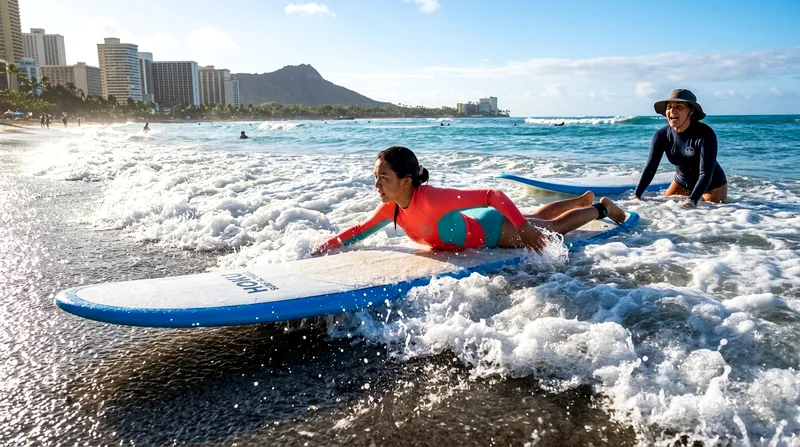
Best Surf Lessons in Waikiki for Beginners
Compare group, semi-private and private surf lessons in Waikiki for first-timers, kids and older beginners, and see what each lesson price really includes.
9 min read · 21 Oct 2026
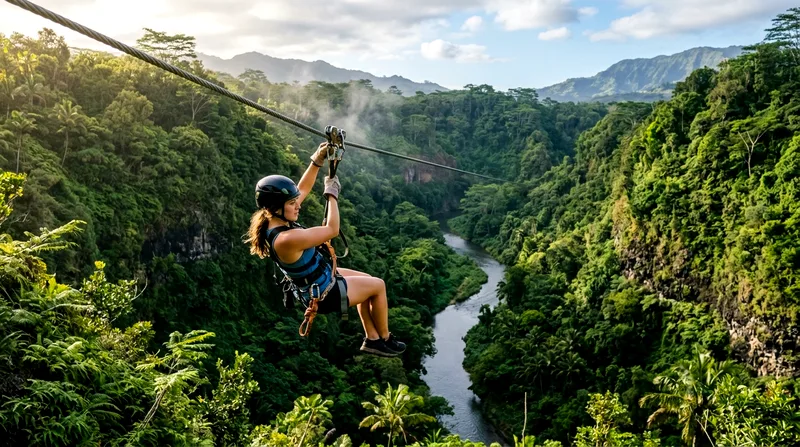
Tours & activities
Compare Hawaii zipline, ATV, helicopter and surf lesson tours by thrill level, age and weight limits, and cost tier, plus booking tips for every island.
Choosing a Hawaii zipline tour or adventure activity comes down to three questions: how much adrenaline you actually want, what your body can handle, and how much you're willing to spend on a single morning. A canopy zipline through a rainforest valley feels entirely different from a doors-off helicopter flight over Na Pali, and both differ wildly from bouncing across a red-dirt ranch trail on an ATV. None of these is objectively "better" — they suit different travelers, and matching yourself honestly to the right one saves both money and disappointment.
I'd steer most first-time Hawaii visitors toward a zipline course over a helicopter tour if budget forces a choice. Ziplining gets you into the jungle canopy, usually includes some hiking and waterfall viewing, and costs noticeably less per person than an aerial tour. Helicopters show you more terrain per dollar in pure scenic terms — Na Pali Coast on Kauai is genuinely inaccessible any other way unless you're hiking the Kalalau Trail — but you're paying for a 45-60 minute flight, not a half-day experience.
Families with kids under 10 should look closely at age minimums before getting attached to an idea. Many zipline courses set a minimum age around 5-7 with a weight floor around 60-80 lbs, which rules out toddlers entirely. ATV tours are typically stricter, often requiring riders to be at least 15-16 to drive solo, with younger kids riding as passengers only. Surf lessons have the fewest restrictions and work for nearly any age group that can swim.
If this is your first zipline or you're traveling with children, prioritize tours described as "canopy" or "ridgeline" courses with multiple shorter lines rather than one or two massive runs. Shorter lines (200-800 feet) feel less intimidating and the course typically includes a practice line near ground level. Kualoa Ranch on Oahu is a solid pick for mixed-age groups because it bundles ziplining with other activities — ATV trails, movie-site tours — so non-thrill-seekers in your group have something to do too. Expect a half-day commitment, including transport, briefing, and gear-up time, even though actual zip time is often under 90 minutes.
Couples and solo thrill-seekers without kids in tow should look for longer, faster lines and dual-rider options so you can race side by side. Courses advertising spans over 2,000 feet or speeds near 50 mph deliver more genuine adrenaline than beginner-friendly setups. Pairing a zipline morning with an afternoon helicopter flight or a sunset catamaran sail makes for a strong one-day adventure combo, though it's an expensive day — budget for two premium activities, not one. If your relationship can handle it, a tandem zipline plus a doors-off helicopter flight over Maui's Hana coast or Kauai's Waimea Canyon is about as close to a shared-adrenaline date as Hawaii offers.
Every main Hawaiian island has at least one zipline operation, but the terrain differs enough that "best ziplines in Hawaii" really means "best for what you want to see." Kauai and the Big Island generally offer more dramatic scenery — waterfalls, river canyons, old sugar plantation land — while Oahu's courses lean convenient, sitting closer to Waikiki and Honolulu hotels. Maui sits in between: fewer courses than Oahu, but set against the backdrop of Haleakala's slopes or West Maui's mountains.
On Oahu, North Shore Zipline runs lines over former pineapple and coffee fields with ocean glimpses in the distance — it's not the most jungle-dense course in the islands, but it's roughly 45-60 minutes from Waikiki, which matters if you don't want to burn half a day driving. Kualoa Ranch, on the windward side, is the better pick if you want a longer outing combined with ATV or raptor valley tours; it's also the site used in several films, which families traveling with movie-obsessed kids will appreciate. On Maui, courses tend to sit on the slopes above Kaanapali or in Haleakala's upcountry, with cooler temperatures and views toward the West Maui mountains — worth a light jacket even in summer, since elevation drops the temperature noticeably.
The Big Island has the strongest waterfall-and-canopy combination in the state. Umauma Experience, near Hakalau on the Hamakua Coast, strings lines across a river gorge with multiple waterfalls visible mid-zip — genuinely one of the more photogenic courses in Hawaii. Botanical World Adventures, close to Akaka Falls, pairs zipping with a botanical garden walk, which suits travelers who want a gentler add-on rather than a second adrenaline activity. Kauai's courses, often set in former plantation land on the island's south or east side, tend to run longer and faster lines with canyon views, and some operators pair the zip course with a kayak or tubing segment through old irrigation ditches — a nice break between line stops. Coral Crater on Oahu deserves a mention too, though it's technically an adventure park built into a collapsed lava tube rather than a canopy course — ziplining there crosses a crater rather than a rainforest, which is a genuinely different visual experience worth knowing about before you book expecting jungle views.
These four categories cover most of what people mean by "Hawaii adventure tours," and they don't overlap much in experience or cost. Ziplining and ATV touring both run half-day, land-based, moderate-thrill activities in the mid price tier. Helicopter tours are short, expensive, and weather-dependent, but unmatched for seeing terrain you can't otherwise reach — Kauai's Na Pali Coast and the interior of Waimea Canyon are the classic examples, along with lava viewing on the Big Island when conditions allow. Surf lessons are the cheapest and lowest-thrill of the four, but also the most repeatable: one lesson often isn't enough, and many visitors book two or three sessions across a trip.
Ziplines and ATVs offer moderate thrills at mid-range prices, while helicopter tours cost the most but reach scenery nothing else can.
Hawaii adventure tours compared: ziplines, ATVs, helicopters and surf lessons
| Activity | Typical Duration | Thrill Level | Price Tier | Best For |
|---|---|---|---|---|
| Zipline canopy tour | 2-4 hours | Moderate | Mid | Families, first-timers |
| ATV/UTV ranch tour | 1.5-3 hours | Moderate-high | Mid | Groups, thrill seekers |
| Doors-off helicopter tour | 45-60 minutes | High (visual, not physical) | High | Couples, photographers |
| Beginner surf lesson | 1.5-2 hours | Low | Low | Solo travelers, kids, seniors |
| Waterfall zip + hike combo | 3-5 hours | Moderate | Mid-high | Active couples, seniors in good shape |
Durations and tiers are typical ranges; always confirm current pricing, group size, and weather policy with the operator before booking.
Use the table below as a starting comparison, then check live pricing before booking — rates shift by season, group size, and fuel surcharges (especially for helicopters).
Nearly all zipline and ATV tours run as group experiences by default, typically 8-12 guests per guide team, which keeps costs down but means waiting your turn at each platform or trailhead stop. Helicopter tours often offer a private charter option for a noticeably higher price — worth it for a proposal flight or an anniversary, less so for a casual sightseeing trip. Surf lessons scale the other direction: group lessons (4-6 students per instructor) are the budget option, while private or semi-private lessons cost more but get you standing up on a board faster, which matters if you've only got one morning free. If you're on a budget and traveling solo, group zipline and group surf lessons are the better value; couples celebrating something specific should consider the private upgrade on at least one activity.
This is the section that trips up the most bookings, because people fall in love with photos of a course before checking whether their family actually qualifies. Limits vary by operator and by island, but the patterns are consistent enough to plan around.
Most Hawaii zipline courses set a minimum weight around 60-80 lbs and a maximum between 250-290 lbs, with a combined weight limit sometimes applied to tandem lines. Minimum age typically runs 5-7 years old, though a few adventure-park-style courses (like crater or canyon setups) allow younger kids on gentler intro lines. ATV tours are generally stricter on age — many require drivers to be 16 or older with a valid license, while younger children ride as passengers in a guided vehicle rather than driving solo. Helicopter tours have the fewest physical restrictions but do weigh passengers for seating and balance purposes, and pregnant travelers are commonly advised against doors-off flights due to vibration and altitude changes. Surf lessons are the most accessible category: there's rarely a strict weight limit, and instructors can usually adapt for most body types and swimming abilities, though basic swimming competency is assumed.
None of these courses are wheelchair accessible in the traditional sense — ziplining requires climbing platforms and harnessing in a standing position, and ATVs require operating foot and hand controls. If accessibility is a concern, helicopter tours are generally the easiest adventure category to adapt, since boarding happens at ground level and seating is fixed. Always call ahead and describe your specific situation rather than assuming a general policy applies — weight limits, in particular, are taken seriously for safety reasons tied to cable and harness engineering, not arbitrary guidelines.
Beyond age and weight, a handful of practical details separate a good adventure tour from a frustrating one. None of these are dealbreakers on their own, but together they tell you whether an operator runs a tight, safety-conscious operation.
Check whether transportation from your hotel or a central meeting point is included — some Oahu and Maui courses offer shuttle pickup, which saves you a rental car trip, while others require you to drive to a rural meeting site yourself. Confirm what's included in the listed price: helmet and harness are standard, but water, snacks, and photos are often extra or available as a paid add-on package. Ask about group size per guide — a ratio of roughly one guide per 8-10 guests is typical for ziplining, and a smaller ratio generally means more individual attention and shorter wait times at each platform. Guide certification isn't something you can verify in advance easily, but established Hawaii operators typically train staff in-house over several weeks and require ongoing safety recertification; a quick look at recent reviews mentioning guide professionalism is a reasonable proxy.
Hawaii's weather is locally variable — it can be sunny at your hotel and raining steadily at a zipline course 20 minutes inland, especially on the Big Island's Hamakua Coast or Kauai's interior, both of which sit closer to rainforest microclimates. Helicopter tours are the most weather-sensitive category and get canceled or rescheduled for wind and cloud ceiling far more often than ziplines or ATV tours, which generally run in light rain. Read the cancellation policy before booking: most reputable operators offer a full refund or free reschedule for weather-related cancellations initiated by the company, but fewer offer refunds if you cancel due to weather concerns yourself. Avoid booking your only adventure activity on your final day of the trip — if it gets rescheduled, you want a buffer day left to use it.
Hawaii adventure tours run year-round, but demand and conditions shift seasonally enough to affect both price and availability.
Summer (June-August) and the winter holidays (mid-December through early January) are peak booking periods across all islands, when popular zipline and helicopter slots can fill a week or more in advance. Shoulder seasons — April-May and September-October — offer similar weather with lighter crowds and sometimes more flexible scheduling. Winter brings more rain to windward and interior areas, which is exactly where many waterfall-adjacent zipline courses sit, so build in a backup day if you're visiting the Big Island or Kauai between November and March. Many operators sell combination packages — zipline plus ATV, or zipline plus a botanical garden and lunch — which run cheaper per activity than booking separately, though they also lock you into a longer day. Compare current prices and availability for combo packages against booking activities individually before deciding; the savings aren't always as large as they first appear once you account for the extra hours committed.
There's no single "best" — it depends on scenery preference. Umauma Experience on the Big Island is hard to beat for waterfall views mid-zip, while Kauai's courses tend to offer longer, faster lines through canyon terrain. Oahu's North Shore Zipline and Kualoa Ranch win on convenience if you're staying near Waikiki or Honolulu and don't want a long drive.
Most zipline tours fall into a mid price tier compared to other Hawaii adventure activities, generally running higher than a surf lesson but lower than a helicopter tour. Longer combo tours with multiple lines and added activities like ATV riding or botanical gardens cost more than a basic 2-3 hour course. Always check current prices directly with the operator, since rates shift by season and group size.
Most courses set a minimum age around 5-7 and a minimum weight near 60-80 lbs, with a maximum weight typically between 250-290 lbs. Tandem lines sometimes apply a combined weight cap for both riders together. These limits exist for harness and cable safety, so confirm specifics with the operator rather than assuming your family qualifies.
The Big Island and Kauai generally offer the most scenic courses, with waterfalls, river gorges, and canyon terrain built into the zip lines themselves. Oahu wins on convenience and variety near Waikiki, while Maui offers fewer courses but strong mountain views above Kaanapali and in Haleakala's upcountry.
Yes — North Shore Zipline and Kualoa Ranch are both within roughly 45-75 minutes of Waikiki by car or shuttle, making Oahu the easiest island for a zipline day trip without relocating your hotel base. Neither is directly in Waikiki itself, so budget for drive time in either direction.
Compare group, semi-private and private surf lessons in Waikiki for first-timers, kids and older beginners, and see what each lesson price really includes.
9 min read · 21 Oct 2026
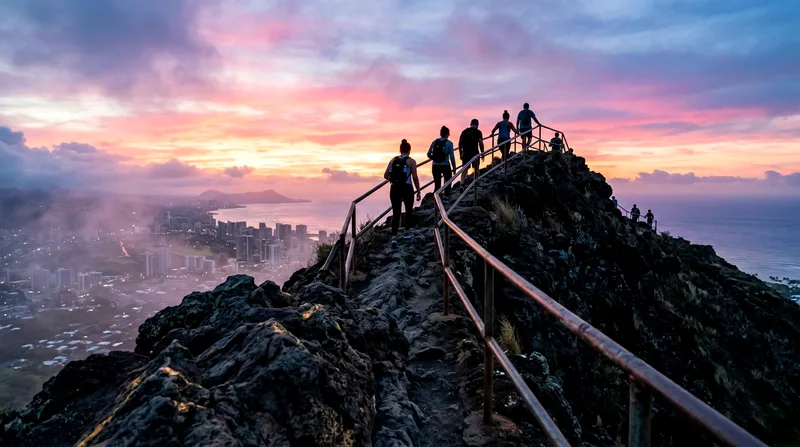
Diamond Head tickets explained: how timed-entry reservations work, the best slots to avoid heat and crowds, and whether a guided tour is worth it.
10 min read · 21 Oct 2026

Compare Hawaii ATV tours by island: ranch and jungle rides, driver age rules, passenger options for kids and how muddy you'll get. Plan with confidence.
10 min read · 21 Oct 2026
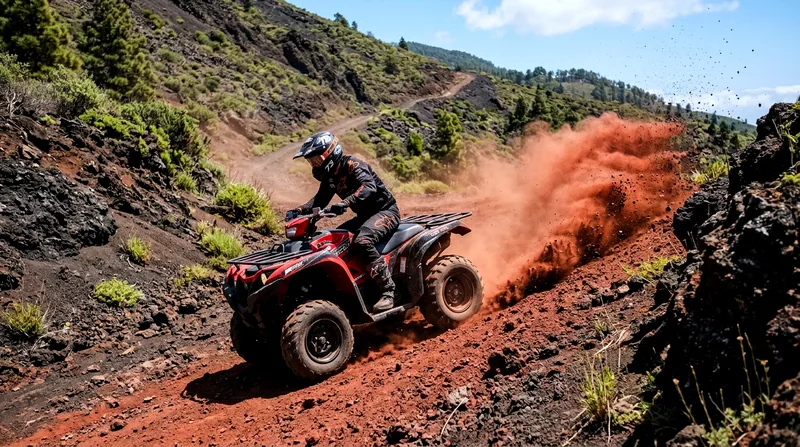
Can only fit one adventure? Compare zipline vs ATV tour in Hawaii on thrill, scenery, effort, cost level and family fit to decide which one to book.
10 min read · 21 Oct 2026
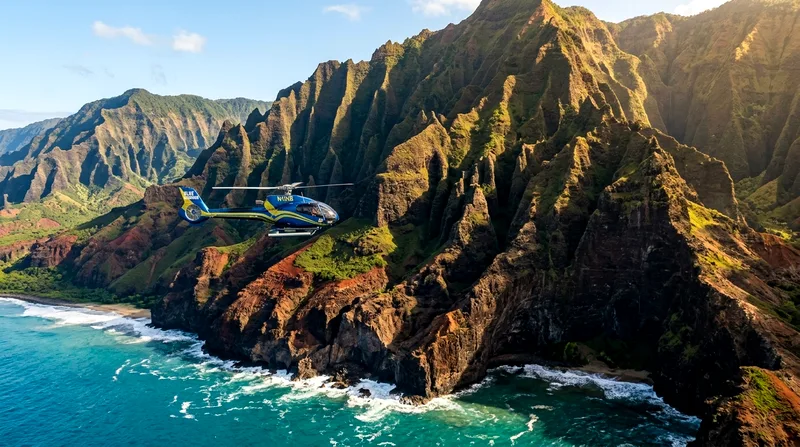
Compare Hawaii helicopter tours island by island. See where a flight shows the most scenery, plus doors-off vs enclosed advice and how to book smart.
10 min read · 21 Oct 2026
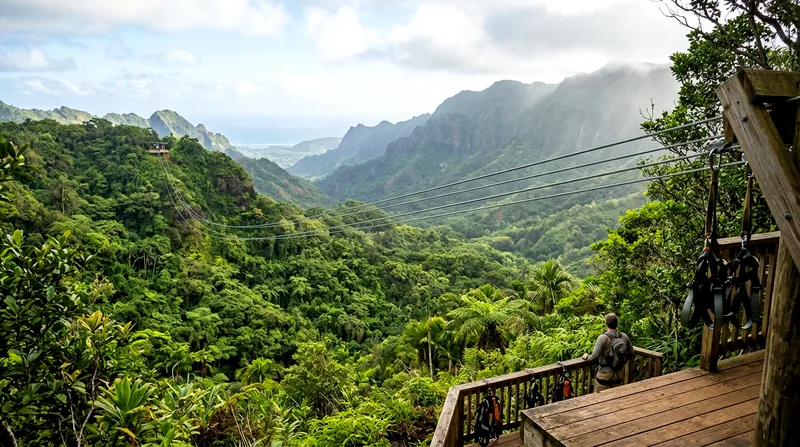
Compare Kauai zipline tours pairing flying lines with waterfall swims or river tubing. See which combo suits your group and when to book.
10 min read · 21 Oct 2026
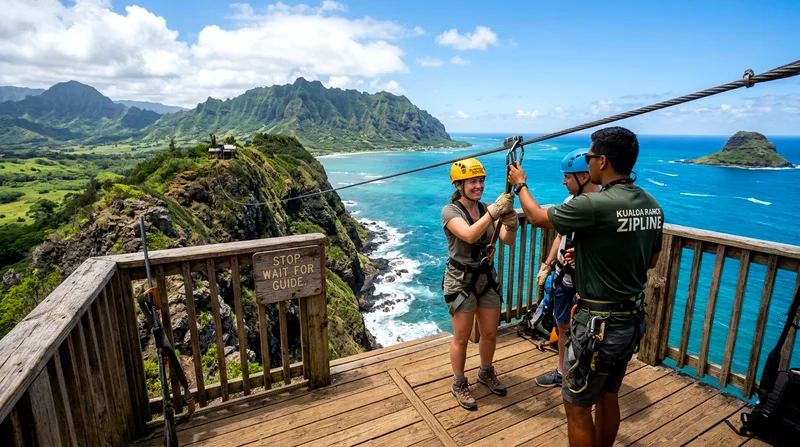
Compare Oahu zipline tours by line length, ocean and valley views, age minimums and distance from Waikiki, plus what to check before booking.
11 min read · 21 Oct 2026
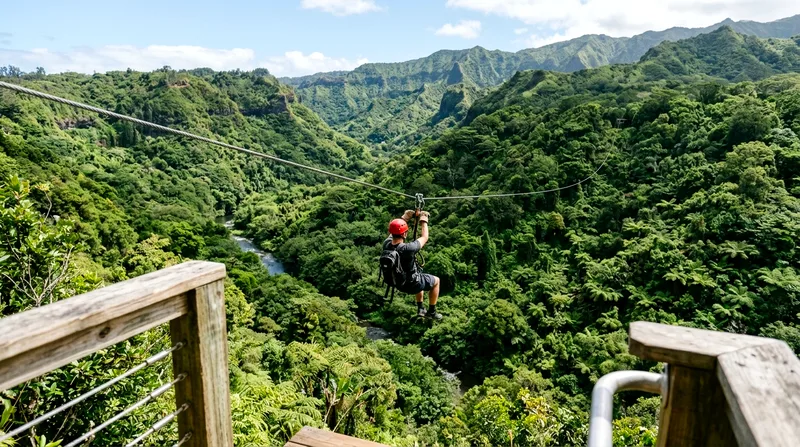
Compare Maui zipline tours by thrill level, location and group type. Find family-friendly lines, side-by-side runs and what to check before you book.
9 min read · 21 Oct 2026