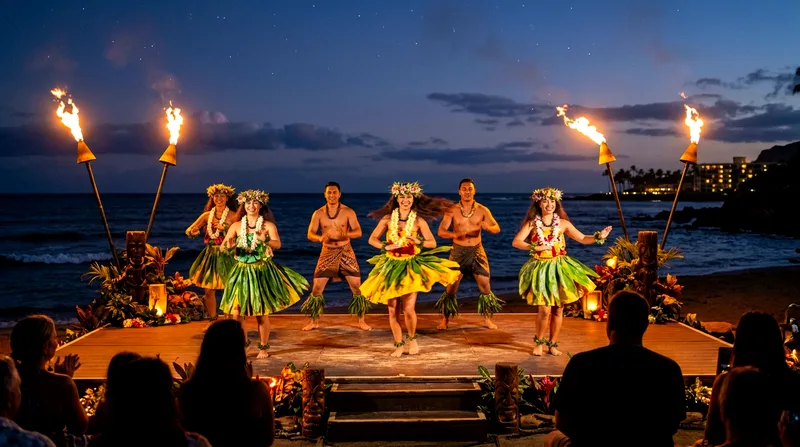
Germaine's Luau vs Paradise Cove: Which Oahu Luau to Book
Germaine's Luau vs Paradise Cove compared on setting, crowd size, food, transfers and value, so you can choose the right Oahu luau for your Hawaii trip.
9 min read · 21 Oct 2026
Tours & activities
Compare Hawaii luau and cultural experiences by type, authenticity and budget. Learn what to look for before booking luau tickets in Hawaii.
Every visitor asks some version of the same question: which Hawaii luau is actually worth the money, and which one is just a buffet line with a guy swinging fire poi for the cameras? The honest answer is that both exist, often within a few miles of each other, and the difference usually comes down to who's running it and what they're prioritizing — ticket volume or cultural accuracy.
A Hawaii luau can mean a handful of very different things. It might be a 500-person resort production with a full bar and a stage show, or a 60-person gathering on a family's land where the imu ceremony actually matters to the people running it. Price doesn't always track with authenticity — some of the priciest luaus are glossy dinner theater, while some mid-priced ones lean harder into genuine storytelling. Before booking, decide what you actually want: a few hours of entertainment with good food, or something closer to a cultural lesson with entertainment built around it.
If this is your only Hawaiian cultural experience on the trip, it's worth doing some homework rather than booking whatever's closest to your hotel. If you're island-hopping between Oahu and Maui, or pairing this with a Pearl Harbor tour or a Road to Hana drive, you have more flexibility to pick a luau that fits a free evening rather than forcing your schedule around it.
Couples generally do best at mid-tier or premium luaus with assigned or upgraded seating — Old Lahaina Luau on Maui is a common recommendation here because it skips the stage tricks in favor of hula, chant, and storytelling, which makes for a better date-night experience than a louder variety show. Families with young kids should prioritize luaus with hands-on activities before the show starts — lei-making, ukulele lessons, or craft stations — since toddlers and young kids won't sit through two hours of narrative content without something to do first. Paradise Cove Luau on Oahu is built around this pre-show activity village, which makes it more forgiving for restless kids than a straight dinner-and-show format.
Solo travelers often get overlooked in luau marketing, but most venues seat solo guests at shared tables, which can actually make for better conversation than a quiet couple's table off to the side. Ask about solo or shared seating when booking — some venues have a general-seating tier that's cheaper and puts solo travelers in a more social spot near other guests.
If cost is the deciding factor, skip the premium seating tiers entirely — most luaus sell a general admission or "garden seating" ticket that includes the same food and show as the front-row package, just without preferred sightlines or a lei greeting. The difference in experience is smaller than the price gap suggests. Cultural centers and heritage sites are usually cheaper than a full dinner luau and can be more substantive per dollar, though you'll eat separately or not at all. Avoid the temptation to book the absolute cheapest listing you find online without checking recent reviews — some lower-cost luaus cut corners on food quality and performer numbers, and that's where the "buffet with a fire dancer" reputation comes from.
Not every Hawaiian cultural experience is structured the same way, and lumping them all under "luau" causes most of the disappointment visitors report afterward. Broadly, you're choosing between a traditional-style luau, a resort luau, a dinner theater show, a cultural center visit, a heritage site tour, or a private/custom event. Each has a different ratio of entertainment to education, and different expectations around food, crowd size, and pacing.
The main trade-off across Hawaii luau options is authenticity and intimacy versus production value and convenience.
Hawaii luau and cultural experience types compared by authenticity, group size and flexibility
| Experience Type | Best For | Authenticity Level | Typical Group Size | Price Band | Booking Flexibility |
|---|---|---|---|---|---|
| Traditional-style luau | Couples, culture-focused travelers | High | Small to medium | Mid-range to premium | Moderate, books out in peak season |
| Resort luau | Families, resort guests | Medium | Large | Mid-range to premium | High, often bookable through hotel |
| Tourist dinner show | Groups wanting a lively night out | Low to medium | Large | Budget to mid-range | High |
| Cultural center (full day) | Families, first-time visitors | Medium to high | Very large | Mid-range | High |
| Heritage site visit | Solo travelers, history-focused couples | High | Small | Budget | High |
| Private/custom event | Special occasions, multigenerational groups | Varies | Very small | Premium | Low, needs advance arrangement |
Price bands and group sizes are typical patterns, not fixed figures — check current prices and seating options when booking.
An authentic luau generally centers on the imu ceremony — the underground oven used to cook the kalua pig — and includes real explanation of the food, the hula styles performed, and the history behind them, often narrated by a family member or kumu hula (hula teacher) rather than a hired MC reading cue cards. Old Lahaina Luau and Ka Wa'a Luau at Aulani are both frequently cited as leaning toward this end, with chant, oli, and hula mua (modern hula) woven into a narrative arc rather than a loosely connected variety act.
A tourist dinner show, by contrast, prioritizes spectacle — fire knife dancing (which is actually Samoan, not Hawaiian, and worth knowing before you assume it's a native Hawaiian tradition), open bars, and a buffet line that moves fast to turn tables. There's nothing wrong with enjoying one — Toa Luau on Oahu runs a lively, well-reviewed version of this format — but go in knowing it's entertainment first, education second. The food at these events is often serviceable rather than memorable; expect mass-catered kalua pork, rice, and a token poi serving rather than a chef-driven menu.
The Polynesian Cultural Center on Oahu's North Shore is the largest cultural attraction in the state and deserves its own category — it's a full-day park with recreated Pacific Island villages (Hawaiian, Samoan, Tongan, Fijian, Tahitian, Maori), canoe shows, and an evening luau add-on. It's run by Brigham Young University–Hawaii, and while some travelers find it earns its reputation as an educational deep dive, others find the pacing closer to a theme park than a village visit. It suits families who want a full day of structured activity more than couples looking for a quiet evening. Heritage sites without a luau component — like historic missionary or royal sites — can pair well as a daytime cultural add-on before an evening luau elsewhere.
Where you're staying matters more than most "best luau in Hawaii" lists admit, because transfer time eats into your evening and some islands simply have more options to choose from.
Oahu has the widest range — the Polynesian Cultural Center on the North Shore, Paradise Cove Luau on the Leeward side, and Toa Luau nearer Waikiki all target slightly different crowds, from full-day cultural immersion to a quicker evening dinner show close to hotels. If you're staying in Waikiki without a rental car, factor in that PCC and Paradise Cove both require a 45–90 minute shuttle or drive each way, which turns a three-hour luau into most of a day.
Maui's standout is Old Lahaina Luau, consistently ranked among the more narrative-driven, less commercialized options in the state — no fire knife dancing, no gimmicks, just hula styles traced through Hawaiian history. It's popular enough that it sells out weeks ahead in peak travel months, so this isn't one to leave until you land. Germaine's Luau, also on Maui, offers a more laid-back, beach-set alternative with a slightly more casual, family-style feel than Old Lahaina's structured storytelling.
Kauai has fewer luau operators than Oahu or Maui, which actually works in its favor — smaller crowds, more intimate settings, and venues that lean on the island's quieter reputation rather than big production numbers. If you want fewer than 150 guests at a luau, Kauai is generally your best shot among the main islands.
The Big Island's luau scene is smaller still, concentrated mostly around Kona-side resorts, and tends toward the resort-luau category — solid, reliable, but rarely marketed as the most authentic option in the state. If deep cultural programming matters more to you than convenience, the Big Island's volcano and cultural heritage sites (outside the luau format entirely) may be a better use of an evening than its luau offerings. Disney's Aulani Resort, technically on Oahu rather than the Big Island, runs Ka Wa'a Luau, which is worth a separate mention for families already staying there — it's resort-run but builds in more storytelling than a typical hotel luau.
Luau tickets in Hawaii aren't one-size-fits-all, and the fine print matters more here than at most tours you'll book on a Hawaii trip.
Most luaus sell three or four seating tiers: general admission, preferred, and a "VIP" or table-service tier that often includes a lei greeting, reserved front seating, and sometimes a mai tai or two. The price gap between general and VIP can be significant, and whether it's worth it depends on how much you care about sightlines versus just being present for the show. Check whether alcohol is included or cash bar — this varies a lot between venues and changes the effective value of a ticket considerably. Also confirm whether the imu ceremony is included or a separate add-on; some venues treat it as a highlight included in every tier, others gate it behind premium seating.
Luaus are outdoor events, and Hawaii's windward sides in particular get sudden rain even in dry months — most venues have a covered pavilion backup but a few will cancel or reschedule for serious weather, usually with a full refund or rebooking option rather than a partial one. Read the cancellation policy before paying, especially during winter months (roughly November through March) when trade winds and rain are more common on Oahu's and Kauai's windward coasts. For dietary needs, call ahead rather than relying on the website — vegetarian and gluten-free options exist at nearly every luau now, but quality varies, and some venues need 24–48 hours' notice to prepare a proper substitute rather than just pulling sides off the buffet.
Timing a luau booking is less about hunting for a lower price and more about avoiding sold-out nights during your actual trip window.
For popular, smaller-capacity luaus like Old Lahaina Luau, book as soon as your travel dates are fixed — four to eight weeks ahead is reasonable in peak summer and winter holiday periods, and even that can be cutting it close in July or around Christmas and New Year's. Larger-capacity venues like Paradise Cove or the Polynesian Cultural Center have more flex and can often be booked a week or two out, though you'll have fewer seating-tier choices the later you wait. If your trip includes a luau as a must-do rather than a nice-to-have, book it before you lock in rental cars or other tours, since it's the piece most likely to sell out first.
If you compare a Hawaii luau against alternatives like a Fiji kava ceremony, a Bora Bora cultural dinner, or Bali's traditional dance performances, Hawaii's luau scene is more commercialized and more varied in quality — but it's also easier to research in advance, since reviews and seating-tier details are widely published. The clearest path is to decide first whether you want storytelling or spectacle, then match that to budget: traditional-style luaus and heritage sites for depth, resort luaus and dinner shows for convenience and energy. From there, check current prices and seating availability for the specific date and island you're visiting, since luau capacity and pricing tiers shift by season. Pair your choice with other island-specific plans — a Road to Hana itinerary on Maui, a North Shore day on Oahu, or a Na Pali Coast boat tour on Kauai — so the luau becomes one strong evening in a well-paced trip rather than the only cultural stop you make.
There's no single best luau — it depends on priorities. Old Lahaina Luau on Maui is widely regarded as one of the more authentic, narrative-driven options with no fire-knife gimmicks. Families often do better at Paradise Cove Luau on Oahu for its pre-show activities, while the Polynesian Cultural Center suits those wanting a full day of cultural programming, not just an evening.
Pricing runs in bands rather than fixed figures: budget general-admission tickets, mid-range packages with better seating and a lei greeting, and premium or VIP tiers with front-row seating and extras like a welcome drink. Prices shift by island, season, and venue, so check current listings and reviews before booking rather than relying on older published figures.
Some are, some aren't, and the labeling doesn't always make it obvious. Traditional-style luaus built around the imu ceremony, chant, and hula history tend to be more authentic; tourist dinner shows with fire knife dancing (a Samoan tradition, not Hawaiian) lean toward entertainment over education. Read recent reviews specifically mentioning cultural content, not just food and service.
Oahu has the most variety and the biggest venues, including the Polynesian Cultural Center. Maui has arguably the strongest reputation for authenticity through Old Lahaina Luau and Germaine's Luau. Kauai offers smaller, more intimate settings with less commercial polish. The Big Island's luau scene is the smallest and leans toward standard resort offerings.
Most include a buffet-style or plated dinner featuring kalua pig, poi, lomi-lomi salmon, and haupia, plus a hula and chant performance, often with an imu ceremony where the pig is unearthed from the underground oven. Higher tiers may add a lei greeting, reserved seating, or a drink; alcohol inclusion varies significantly by venue, so confirm before booking.
Germaine's Luau vs Paradise Cove compared on setting, crowd size, food, transfers and value, so you can choose the right Oahu luau for your Hawaii trip.
9 min read · 21 Oct 2026
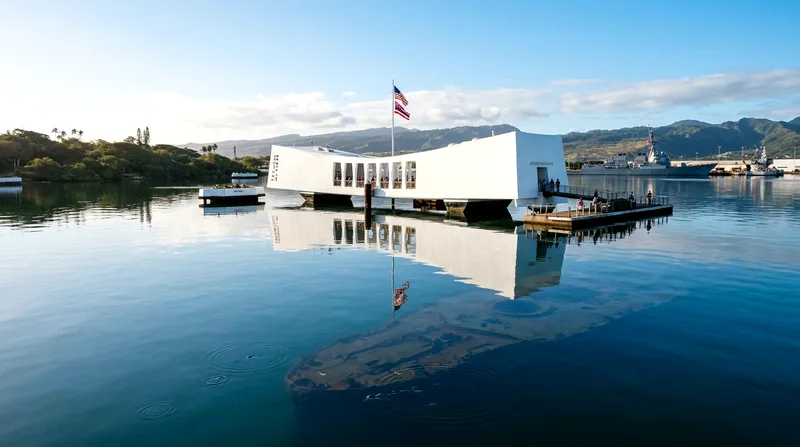
Compare Pearl Harbor tours from Waikiki vs going solo. Learn how to reserve USS Arizona Memorial tickets, what tours include, and when to visit.
9 min read · 21 Oct 2026

Not sure what to wear to a Hawaii luau? Get island casual outfit ideas for men, women and kids, and what to buy locally instead of packing, with shoe tips.
9 min read · 21 Oct 2026
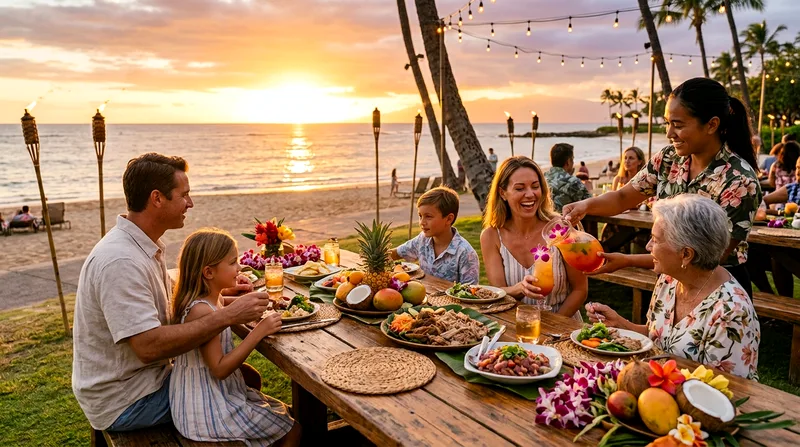
See the real hawaii luau price by island and seating tier, plus child discounts, show-only options and booking tips that cut your family's bill.
10 min read · 21 Oct 2026
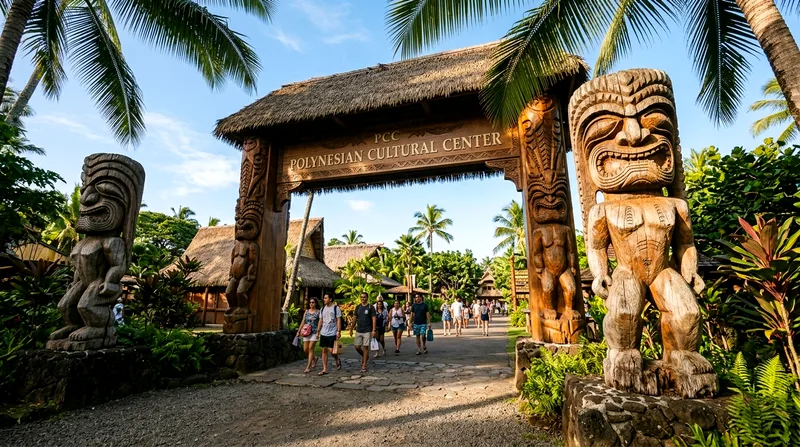
Compare Polynesian Cultural Center tickets and packages, from basic admission to luau and Ha Breath of Life show tiers, and pick only what you'll use.
10 min read · 21 Oct 2026
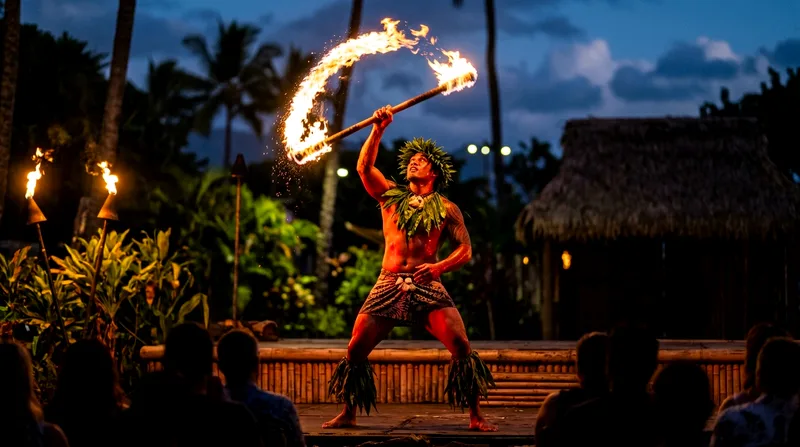
Compare the best luau in Maui for couples, families and culture lovers, from Old Lahaina Luau to Feast at Lele, plus what to check before booking.
9 min read · 21 Oct 2026
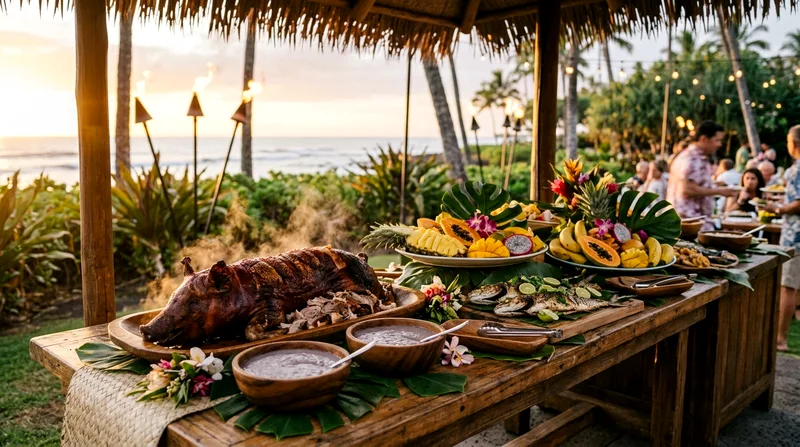
Compare the best luau in Oahu side by side on imu feast quality, show authenticity, transport and family value, so you can pick the right night out.
12 min read · 21 Oct 2026