
Hawaii Tour Packages vs DIY: Guided Trips Compared
Compare Hawaii tour packages with independent travel on cost, effort, flexibility and crowds, and learn who benefits most from a guided Hawaii vacation.
11 min read · 21 Oct 2026
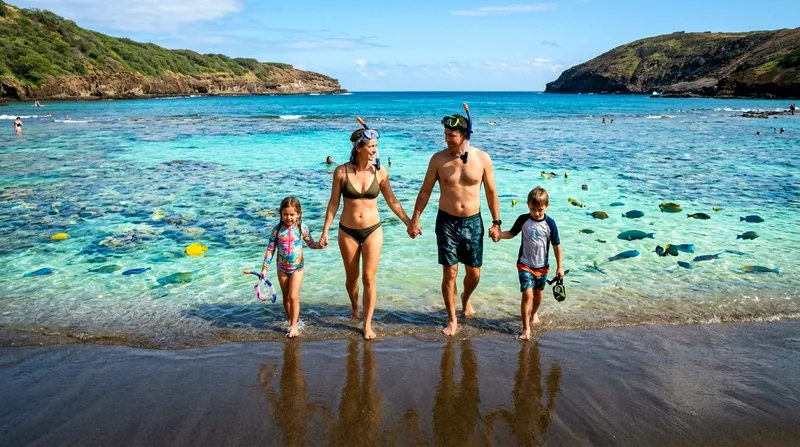
Save money
Compare Hawaii vacation packages with DIY trip planning. Learn when to book, what bundles include, and where to save without cutting corners.
Hawaii vacation packages get marketed as the easy button, but before comparing bundles to building your own trip, it helps to know what you're actually paying for. A week in Hawaii for two people typically breaks down into four big buckets: flights, lodging, a rental car, and food. Flights from the US mainland usually run from the low $400s to over $800 round-trip per person depending on origin city and season; from Europe, expect a long-haul leg to the West Coast or a connection through cities like Honolulu via Los Angeles or San Francisco, often pushing total airfare past $1,000 per person.
Lodging is where budgets diverge most. A basic condo or off-beach hotel on Oahu or the Big Island might run $150–$250 a night, while an oceanfront resort on Maui or Kauai can easily hit $400–$700 a night in peak season. Add a rental car — rarely under $50–$70 a day in Hawaii, higher during busy months — and food, which runs noticeably higher than mainland US prices because so much is shipped in. A modest grocery-and-occasional-restaurant approach might cost $60–$90 per person per day; eating out for most meals can double that.
Package pricing bundles flights, hotel, and sometimes a car into one number, which makes budgeting simpler but can obscure what you're really paying for each piece.
If you want a rough planning number, figure $250–$350 per person per day for a mid-range Hawaii trip covering flights (amortized), hotel, car, food, and a couple of paid activities. Budget travelers staying in hostels or vacation rentals with a kitchen, and renting a car only part of the trip, can get closer to $150–$200 per day. Luxury resort stays on Maui or Kauai push that well past $500 per day per person once you add spa visits, golf, or guided tours. None of these numbers are fixed — they shift with season, island, and how far ahead you book — but they give you a sanity check against any package price you're quoted.
Packages advertise a headline price, but resort fees, parking, taxes, and airport transfers are frequently excluded or buried in fine print. Hawaii's accommodations tax plus general excise tax adds roughly 17–18% on top of room rates, and many resorts — especially on Maui and Oahu — charge a daily resort fee of $30–$50 that covers things like Wi-Fi, beach gear, or parking you might not use. Self-parking alone can run $25–$45 a day at resort properties in Waikiki or Wailea. Ask specifically whether your quoted package price includes taxes, resort fees, and transfers between the airport and your hotel — if the answer is vague, assume it doesn't.
This is the real question behind every search for Hawaii vacation packages, and the honest answer is: it depends on your tolerance for planning. Companies like Costco Travel, Pleasant Hawaiian Holidays, Southwest Vacations, and Vacations by Marriott sell flight-and-hotel bundles that can beat booking separately, particularly when hotel inventory is tight or when you're traveling during a squeeze period like Christmas week or early August. Costco Travel in particular has a reputation among frequent Hawaii visitors for competitive bundled pricing plus extras like rental car coupons or resort credits, though you need a Costco membership to book.
DIY booking wins more often when you're flexible on dates, willing to compare multiple hotel sites against airline sites directly, and comfortable managing separate confirmations. The math tends to favor packages when you're short on time to research, traveling in a large family group where coordinating multiple rooms gets complicated, or booking within a few weeks of departure when individual component prices spike faster than bundled ones.
A standard Hawaii flight and hotel bundle usually covers round-trip airfare on a carrier like Hawaiian Airlines, hotel or resort nights, and sometimes a rental car or airport transfer. Island-specific packages — say, a Maui-only or Big Island-only bundle — often add a few included activities: a luau, a snorkel cruise, or a discount voucher book for tours. What they rarely include: meals beyond breakfast, inter-island flights if your itinerary covers more than one island, and travel insurance. Read the inclusions line by line; "resort credit" is not the same as a prepaid activity, and many credits have blackout dates or minimum spend thresholds that make them less useful than they sound.
True all-inclusive resorts — where meals, drinks, and activities are bundled into one nightly rate — are rare in Hawaii compared to Cancun, Bora Bora resorts, or parts of the Caribbean. Hawaii's hotel culture leans toward à la carte dining even at high-end properties, so "all-inclusive Hawaii packages" usually means bundled flights, hotel, and a handful of activities rather than an all-you-can-eat-and-drink model. If you specifically want the all-inclusive structure, compare against Fiji or Tahiti resort packages, which more commonly offer meal-plan-inclusive pricing. For Hawaii, go in expecting to pay for food separately and budget accordingly.
Skip the search for discount codes — the durable savings in Hawaii trip planning come from timing and structure, not coupons. Book flights and lodging at least two to three months ahead for the best combination of selection and price, and avoid the two weeks right before departure, when both packages and DIY components tend to get more expensive as availability shrinks.
Shoulder-season DIY bookings on Oahu or the Big Island tend to offer the lowest overall cost, while packages add the most value during peak weeks or multi-room family trips.
Hawaii vacation packages vs. DIY booking by season and island
| Option | Typical Daily Cost (per person) | Best Season to Book | Best For |
|---|---|---|---|
| Oahu DIY | $150–$250 | Shoulder (Apr–Jun, Sep–Nov) | Budget-conscious, first-timers |
| Maui Package | $300–$500 | Book 2-3 months ahead | Couples, resort-focused trips |
| Kauai DIY | $200–$350 | Shoulder months | Nature-focused travelers, hikers |
| Big Island Package | $250–$400 | Shoulder or book early for peak | Families wanting volcano + beach |
| Multi-island itinerary | $280–$450 | Book flights/hotels separately per leg | Experienced planners, longer trips |
Figures are typical ranges, not fixed rates; always check current prices and included fees before booking.
Hawaii's peak season runs mid-December through mid-April and again in summer (June through August), when flights and hotels cost the most and beaches and trails get crowded. Shoulder months — late April through early June, and September through early December — offer noticeably lower hotel rates, often 15–30% below peak, with generally reliable weather since Hawaii's climate doesn't swing as dramatically as many mainland destinations. Late September through early November tends to be the best combination of lower prices and manageable crowds, outside of hurricane season risk, which technically runs June through November but rarely causes major disruption. Avoid planning around Golden Week in early May or the week of Christmas through New Year's if budget is a priority — both see Hawaii prices spike toward peak-season levels.
Combo activity passes — bundling a snorkel cruise, a luau, and a land tour at a discount versus booking each separately — exist on Oahu, Maui, and the Big Island, and they're worth comparing against booking activities individually once you're there. Entrance to Hawaii Volcanoes National Park runs a flat per-vehicle fee valid for seven days, and an annual America the Beautiful pass ($80) pays for itself if you're also visiting Haleakala National Park on Maui in the same trip. Island choice itself is a savings lever: Oahu generally offers the widest range of budget lodging and free activities like beach days and hiking, while Kauai and Maui skew toward pricier resort stays with fewer budget alternatives nearby.
How long you're staying changes what "good value" even means. A rushed 3-day trip rarely justifies the flight cost — you're spending a full day each way in transit for a short stay, which is why most first-time visitors from the mainland US plan at least 5 days, and why European travelers, facing 15+ hours of total travel time, should budget 10 days minimum to make the trip worthwhile.
A 3-day trip only makes sense as an add-on to a longer US West Coast itinerary, and should stay on one island — Oahu, given its short airport transfer and dense mix of beaches and city. A 5-day trip suits a single-island package well: fly in, settle into one resort or condo, and build the schedule around two or three key activities rather than packing every day. A 7-day trip is the sweet spot for most packages — long enough to justify flight cost, short enough that a bundled flight-hotel-car deal often undercuts piecing it together. A 10-day trip is where DIY usually pulls ahead, because it's long enough to justify splitting time between two islands — say, Maui and the Big Island — with separate inter-island flights and lodging booked directly, which packages rarely price as competitively for multi-island stays.
Families with kids benefit most from packages because bundled multi-room bookings and included car rentals reduce the number of things that can go wrong. Couples get the most flexibility from DIY, since boutique condo rentals and adults-focused experiences are easy to book directly and often cheaper than resort packages. Solo travelers should be cautious with packages built around double-occupancy pricing — ask about the single supplement before booking, since it can erase any apparent savings. Groups of 6 or more often do best mixing approaches: book flights individually using points or separate fare sales, then book one larger vacation rental together, which usually beats splitting multiple hotel rooms through a package.
Cutting corners in Hawaii has a different cost than cutting corners in, say, Cancun or Puerto Rico, because distances between islands and activities are larger and recovery options are fewer if something goes wrong. Two things I wouldn't skimp on: travel insurance and a buffer day before any inter-island flight connection or departure home. Hawaii's weather and limited flight frequency between islands mean a missed connection can cost you a full day, and travel insurance covering trip interruption is cheap relative to the cost of a rebooked international or long-haul flight.
Don't book the cheapest lodging purely on price without checking location — a hotel that's "near Waikiki" might be a 25-minute walk or a bus ride from the beach, and a "Maui" condo might be an hour from the best snorkeling. On the Big Island, don't skip proper planning for Hawaii Volcanoes National Park — road closures happen due to volcanic activity, so check current conditions before you go rather than assuming access. Several popular hikes and sites now require advance reservations — Hawaii's Diamond Head State Monument on Oahu and sunrise viewing at Haleakala on Maui both require booking a timed entry slot in advance, sometimes weeks ahead during peak season. Skipping this research to save a few dollars on lodging can cost you a half-day or more rerouting your itinerary on the ground.
Before paying for any Hawaii tour package or bundle, run through a short checklist — it takes ten minutes and prevents most of the common regrets travelers report after booking.
Ask exactly what's included in the nightly rate — does it cover resort fees, parking, and taxes, or are those added at checkout or check-in? Ask whether airport transfers are included or need to be booked separately (shuttle transfers on Oahu and Maui typically run $20–$40 per person each way if not bundled). Ask whether included activities have blackout dates, and whether the rental car includes the mandatory insurance or if that's an add-on at the counter — Hawaii's rental counters are known for upselling insurance aggressively. Finally, compare the total package price against booking the same flight and hotel separately on their own sites; a quick search takes fifteen minutes and tells you whether the bundle is actually saving you money or just saving you time.
Check the cancellation window before you pay — some packages allow free changes up to 30 or 45 days before travel, while others lock in the full cost non-refundable once booked, which matters given Hawaii's hurricane season risk from June through November. Ask whether you can customize the package — swap the included activity, extend the hotel nights, or add a second island — without losing the bundled discount. If a package can't flex at all, you're often better off building the trip yourself, even if the sticker price looks slightly higher, because the ability to adjust dates or add nights without penalty has real value when flights get delayed or plans change.
For two people on a 7-day trip, expect a total in the range of $3,500–$6,000 covering flights, mid-range lodging, a rental car, and food — more if you choose an oceanfront Maui or Kauai resort, less if you stay on Oahu or the Big Island in a condo and self-cater some meals. Add 15–20% buffer for activities and incidentals.
Late September through early November, and sometimes late April to early June, typically bring the lowest hotel and flight prices, outside of peak winter and summer months. Avoid the week of Christmas and New Year's and the weeks around Easter, which push prices toward the highest levels of the year.
Most Hawaii flight and hotel bundles include round-trip airfare, hotel or resort nights, and sometimes a rental car. Island-specific packages often add a few activities like a luau or snorkel cruise. Taxes, resort fees, and inter-island flights are frequently excluded — confirm this before booking.
True meal-inclusive all-inclusive resorts are uncommon in Hawaii compared to Cancun or Fiji. Most "all-inclusive Hawaii packages" bundle flights, hotel, and a few activities rather than unlimited food and drink, so budget separately for meals regardless of which package you choose.
Oahu suits first-timers and budget travelers with its wide range of lodging and free activities; Maui suits couples and resort-focused trips; Kauai suits hikers and nature-focused travelers who don't mind fewer budget lodging options; the Big Island suits families wanting to pair Hawaii Volcanoes National Park with beach time across a longer stay.
Compare Hawaii tour packages with independent travel on cost, effort, flexibility and crowds, and learn who benefits most from a guided Hawaii vacation.
11 min read · 21 Oct 2026
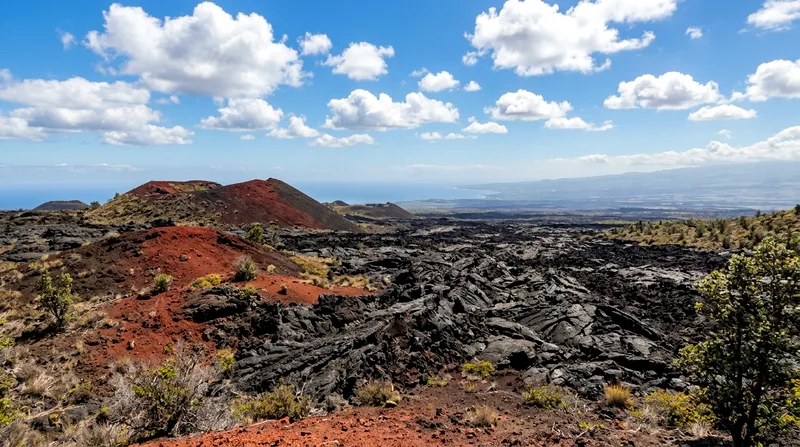
Find the hawaii best time to visit with a month-by-month guide to weather, hurricane season, crowds, prices, whale season and big-wave surf.
7 min read · 21 Oct 2026

Plan Hawaii with kids on a budget: mix free beaches and hikes with a few smart paid tours, and find the child discounts most parents miss.
10 min read · 21 Oct 2026
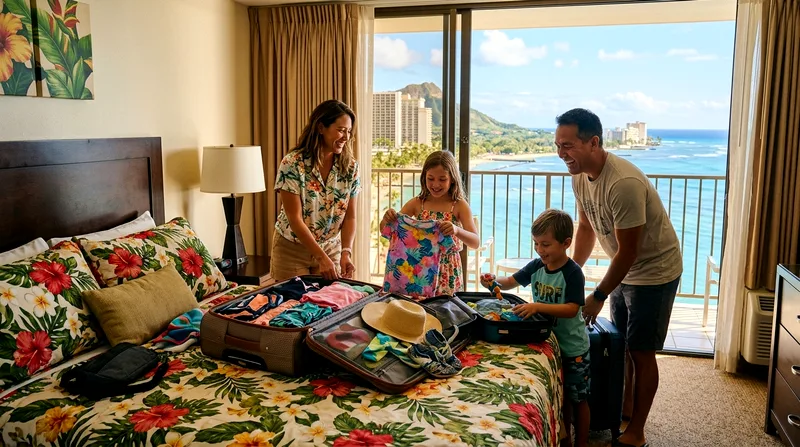
Compare a Hawaii Costco package with booking flights, hotel, car and tours separately for a family of four — see where each option saves money.
10 min read · 21 Oct 2026

Plan a Hawaii with kids itinerary with nap-friendly timings, short drives and activities for toddlers and teens across Oahu and Maui. See the full week.
9 min read · 21 Oct 2026

A practical Hawaii itinerary for 10 days across Oahu, Maui and the Big Island — day-by-day route, jet lag tips, island-hopping logistics and where to stay.
10 min read · 21 Oct 2026
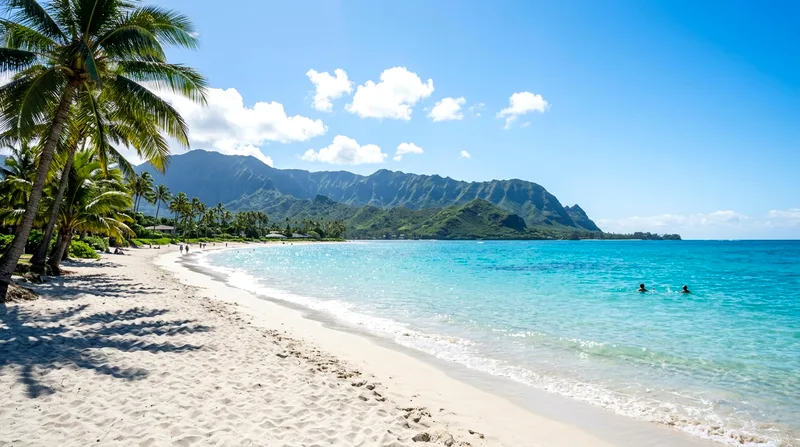
A 5-day Hawaii itinerary focused on Oahu: day-by-day plans, where to stay, getting around, and which experiences to book ahead on a short trip.
11 min read · 21 Oct 2026
Plan one week in Hawaii with two day-by-day itineraries: Oahu only or Oahu and Maui. See who each plan suits, where to stay and which tours to pre-book.
9 min read · 21 Oct 2026