Compare Hawaii Volcanoes National Park tours from Honolulu: fly-in day trip logistics, tour types, costs vs DIY, and what to check before booking.
Who Fly-In Volcano Day Tours Suit
Hawaii Volcanoes National Park sits on the Big Island, about 215 miles from Honolulu as the plane flies — not something you can drive to from Waikiki. That's the first thing to understand about any "volcano tour from Oahu": it's always a fly-in package, built around a short inter-island flight bolted onto a ground tour. These trips exist because plenty of visitors base their whole vacation on Oahu and still want to see an active volcano without restructuring their itinerary.
If you've got one open day and a fixed return flight home from Honolulu, a fly-in tour is often the only realistic way to see Kilauea at all. It suits travelers who want a single, mostly hands-off day — book it, get picked up, come home exhausted but having seen something genuinely rare. I'd put solo travelers who don't want to navigate a rental car on unfamiliar roads, and older travelers who prefer a set itinerary over self-driving, near the top of the list.
Best for First-Time and Short-Stay Visitors
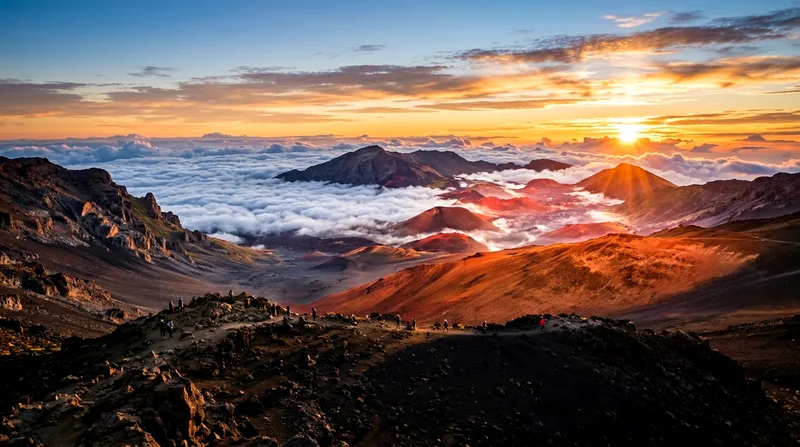
Someone spending five to seven nights entirely on Oahu, with no plans to visit the Big Island otherwise, gets the most value here. So do cruise passengers whose ship calls at Honolulu for a single day, and families who've already booked Oahu-based accommodation and don't want the cost and hassle of adding a Big Island hotel night. For this group, a long day that nets two or three hours inside the park beats not seeing it at all. Compare that to Maui's Haleakala — also a volcano, also doable as a long day trip, but from Oahu it requires the same inter-island flight logic, so neither is genuinely "convenient," just manageable.
Who Should Skip the Day Trip
If you're already planning a Big Island stop — even two nights in Hilo or Kona — skip the Honolulu fly-in tour entirely and visit the park independently instead; you'll have far more time and pay less per hour inside it. I'd also steer hikers, serious photographers, and anyone with mobility concerns about long travel days away from this format. Sitting through two short flights, a shuttle, and several hours of driving on the Big Island itself, all in a single day, is genuinely tiring, and the payoff is a few marked overlooks rather than real trail time.
How a Honolulu Volcano Day Trip Works
These tours run on a tight, repeatable structure, and knowing it in advance helps you decide if it's worth your one vacation day. Most operators advertise daily departures from Honolulu, which sounds flexible but really means a fixed early-morning flight slot you have little control over.
Early Departure, Inter-Island Flight, and Return Timing
Expect pickup from your Waikiki hotel somewhere between 4:30am and 5:30am. You'll fly from Honolulu to either Hilo or Kona — Hilo is closer to the park, around 30 minutes' drive, while Kona runs closer to 90 minutes to two hours each way. That difference matters more than people expect; a Kona arrival eats into your actual park time. The flight itself is short, typically 40 to 50 minutes, but add in airport processing on both ends and you've burned two to three hours before the touring even starts. Return flights usually land back in Honolulu between 8:30pm and 9:30pm, making this a 16-to-17-hour day door to door.
What Fits Into One Long Day
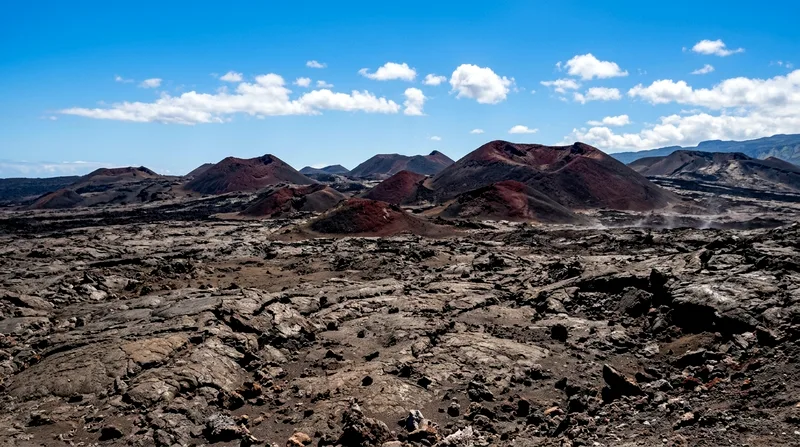
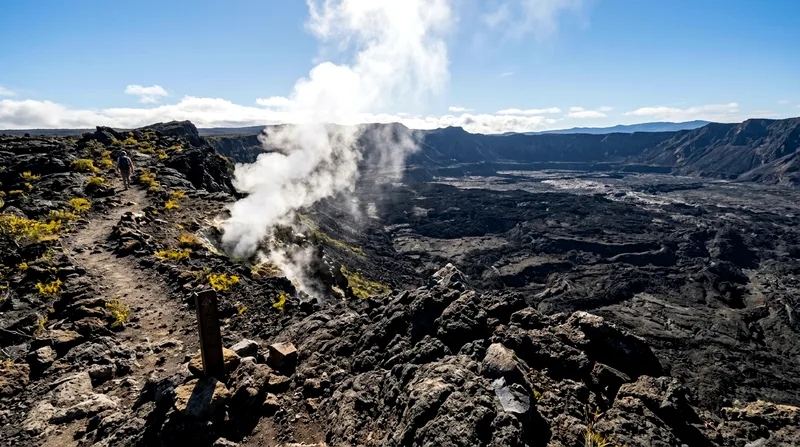
Once on the ground, the itinerary centers on Kilauea as the headline stop — the summit area, crater overlooks, and steam vents along Crater Rim Drive. Most packages build in one or two short, paved or well-maintained walks rather than real hikes: think 15 to 30 minutes on your feet near Kilauea Iki or the Steam Vents, not the multi-hour Napau or Mauna Loa trails. Many itineraries also tack on a stop at a black sand beach, sometimes with a chance to spot green sea turtles, and occasionally a waterfall near Hilo. Lunch is typically a boxed or buffet meal included in the price. Realistically, you get two to four hours of actual park time, out of a day where ten-plus hours disappear into flights, transfers, and driving.
Volcano Tour Types Compared
Not all Hawaii Volcanoes National Park tours from Honolulu are built the same way, and the category you pick changes both your experience and your price point more than the specific company you book with.
Group tours are the cheapest way to see Kilauea in a day, while private tours and DIY trips trade cost for more time and flexibility.
Hawaii Volcanoes National Park tour types from Honolulu compared
| Tour Type | Typical Group Size | Cost Tier | Flexibility | Best For |
|---|---|---|---|---|
| Standard group tour | 20-50 | Lowest | Low, fixed schedule | Budget-conscious first-timers |
| Small-group tour | 10-14 | Mid | Moderate | Couples, families wanting more guide access |
| Private tour | 1-6 (your party) | Highest | High, customizable | Travelers wanting pace control, mobility needs |
| Helicopter add-on | 2-6 per aircraft | Add-on, high | Weather-dependent | Aerial views, special occasion |
| DIY (flight + rental car) | Your own pace | Mid-high, variable | Highest | Multi-day Big Island visits |
Cost tiers are relative, not fixed prices; always check current fares, tour prices and reviews before booking, since they shift with season and fuel surcharges.
Group, Small-Group, and Private Tours
Standard group tours use full-size coaches, carrying anywhere from 20 to 50 people, and are the cheapest category — this is the default "volcano tour from Waikiki" most agencies sell. You'll move on a fixed schedule with limited say over stops or pacing, and photo time at overlooks can feel rushed when you're one of four busloads arriving at once. Small-group tours cap at roughly 10 to 14 travelers in a van, cost noticeably more, and give you better guide access and a bit more flexibility on timing. Private tours — a dedicated vehicle and guide for your party — sit at the top of the price range and let you set your own pace, skip stops you don't care about, and spend extra time at Kilauea itself. For families with young children or older travelers who tire from standing around in a crowd, the small-group or private tier is worth the premium.
Helicopter and Add-On Options
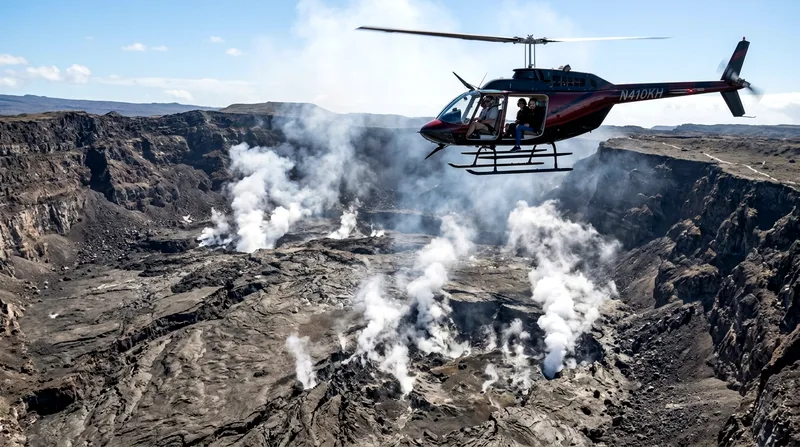
Helicopter tours over the volcano are usually sold as an add-on to the ground itinerary, or occasionally as a standalone experience out of Hilo, rather than as a replacement for the day trip itself. They give you aerial views of the caldera and, when there's active flow, a perspective no ground overlook can match — but they add a separate cost on top of an already expensive day, run subject to weather and volcanic activity, and can be cancelled last-minute for safety reasons. If seeing lava from the air is your main goal, check current National Park Service and USGS activity updates before committing, since Kilauea's eruptive status changes and some periods offer far more to see than others.
Tour vs Booking Flights and Car Yourself
The DIY alternative means booking your own Honolulu-to-Hilo or Honolulu-to-Kona flight, renting a car on the Big Island, and driving yourself to Hawaii Volcanoes National Park. It's more work to plan, but it fundamentally changes what you get out of the day — or days, if you add a hotel night.
Cost Factors and Hidden Extras to Compare
An all-inclusive package bundles roundtrip inter-island airfare, ground transport, a guide, park entry, and usually lunch into one price — convenient, but you're paying for convenience and a guide's time. Booking it yourself means separate line items: inter-island airfare, a rental car (often with a one-way drop fee if you fly into Hilo and out of Kona, or vice versa), gas, the park entrance fee — currently a per-vehicle fee that's valid for seven days — and your own food. For a single day with no overnight, DIY can come out cheaper per person if you're traveling as two or more sharing a rental car, since you're not paying for a dedicated guide and bus overhead. Solo travelers often find the math flips the other way, since a tour spreads the flight and vehicle cost across many passengers.
Time, Flexibility, and Stress Trade-offs
This is where the real difference shows up. On a tour, someone else handles flight timing, driving, and navigation — useful if you're nervous about renting a car on unfamiliar volcanic terrain or driving after a 4am wake-up. DIY gives you control: you choose your own flight times, skip the black sand beach stop if you'd rather spend that hour at the Jaggar Museum overlook area or walk further into a lava tube, and you're not herded back to a bus on someone else's schedule. The honest downside of DIY is that if anything goes wrong — a delayed flight, a sold-out rental counter — you're solving it alone, with no tour operator rebooking you. If you can add one overnight near Hilo or Volcano Village, DIY stops being a trade-off and starts being the clearly better option.
What to Check Before Booking
Whichever category you land on, read the fine print before paying. Package listings vary more than they first appear, and the gaps usually surface on the day, not before.
Inclusions, Meals, and Park Entry
Confirm whether roundtrip airfare is genuinely included or just arranged separately at an extra cost — some listings use "fly-in tour" loosely. Check whether the Hawaii Volcanoes National Park entrance fee is covered in the package price or charged separately on arrival. Ask what "lunch included" actually means: a hot buffet near Hilo is a different experience from a cold boxed sandwich eaten on the bus. Also check which specific sites are on the route — not every tour includes a black sand beach or waterfall stop, and some substitute a coffee farm visit near Kona instead.
Group Size, Fitness Level, and Cancellation Terms
Ask the stated group size outright rather than trusting marketing terms like "small group," which some operators stretch to mean 20 people. Check the fitness level required — most walks are easy and paved, but a few itineraries include uneven lava rock sections that aren't stroller- or wheelchair-friendly. Look closely at cancellation and weather-contingency terms, since volcanic activity, vog (volcanic smog), or inter-island flight delays can all disrupt the schedule, and not every operator offers a full refund versus a rebooking credit. Read recent reviews for mentions of rushed stops or overcrowded overlooks — that's the most common complaint about the standard group tier.
When to Book Your Volcano Tour
Daily departures from Honolulu run year-round, but booking timing still matters. Inter-island flight seats and small-group or private tour slots sell out faster around major holidays — Christmas week, spring break, and summer — so book those at least two to three weeks ahead if you want a specific tour category rather than whatever's left. For standard group tours in shoulder months, a week's notice is usually fine.
It's also worth checking park conditions close to your date rather than relying on a listing written months earlier. Kilauea's activity level changes, access to certain overlooks can shift with little notice, and the National Park Service posts current alerts on closures, trail conditions, and air quality from volcanic gas. A tour that looked great in reviews from six months ago may be running a modified route today because of exactly these factors — compare current prices, reviews, and park status before you commit to a date.
Frequently asked questions
How do you visit Hawaii Volcanoes National Park from Honolulu?
The standard way is a fly-in day tour: an early-morning inter-island flight from Honolulu to Hilo or Kona, followed by a ground tour to Hawaii Volcanoes National Park, then a return flight the same night. There's no direct drive or ferry option since the park is on a different island, so any Honolulu-based visit requires flying.
How much time do you get at the park on a day tour from Oahu?
Most fly-in itineraries give you roughly two to four hours actually inside the park, depending on whether you flew into Hilo (closer, more park time) or Kona (further, less park time). The rest of a 16-to-17-hour day goes to flights, airport transfers, and driving.
Is a volcano day tour cheaper than booking flights and a rental car yourself?
It depends on group size. Solo travelers often pay less with a bundled tour, since the flight and vehicle costs are shared across many passengers. Couples or small groups sharing a rental car can sometimes beat the tour price doing it independently, especially if they skip the guide and lunch inclusions.
What is usually included in a roundtrip airfare volcano tour?
Typical inclusions are roundtrip inter-island airfare, ground transport on the Big Island, a tour guide, and a meal — often lunch. Park entrance fees and extras like helicopter add-ons or specific beach stops vary by listing, so confirm inclusions line by line before booking.
Are helicopter volcano tours available from Oahu?
Not directly from Oahu — helicopter tours over Kilauea operate out of Hilo or Kona on the Big Island and are usually booked as an add-on to a fly-in ground tour rather than flown from Honolulu itself. They're weather- and activity-dependent, so check current conditions before adding one.