A 5-day Hawaii itinerary focused on Oahu: day-by-day plans, where to stay, getting around, and which experiences to book ahead on a short trip.
Who This 5-Day Oahu Itinerary Suits
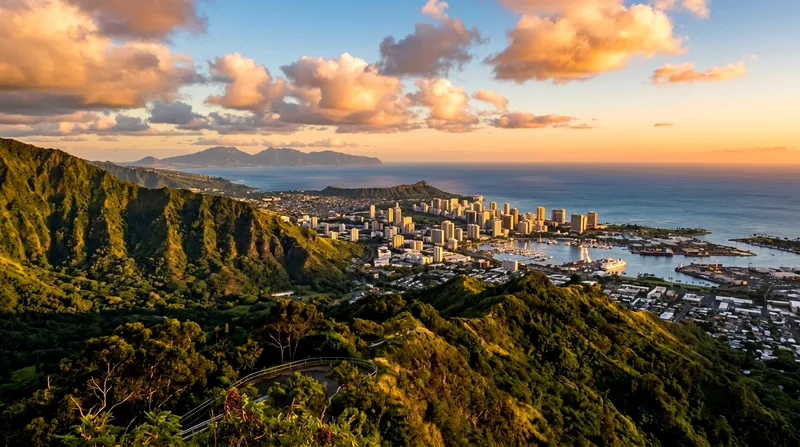
Five days is a workable amount of time for a Hawaii itinerary, but only if you stop thinking about Hawaii as one destination and start thinking of it as eight separate islands, four of which are realistically visitable. This plan keeps you on Oahu the entire trip. That's not a compromise — for a short Hawaii trip from the mainland, it's the smarter call. Oahu has Waikiki's beach and resort infrastructure, Pearl Harbor's history, Diamond Head's hiking, Kualoa Ranch's valleys, and the North Shore's surf culture, all within a 90-minute drive of each other.
This itinerary suits first-timers who want a representative slice of Hawaii without overplanning, couples who want a mix of activity and lounging, and families with kids old enough to handle a moderate hike and a long beach day. It's less suited to honeymooners chasing the overwater-bungalow fantasy of Bora Bora or Tahiti — Oahu doesn't really do that, and if that's the goal, Maui's Wailea coast or a Fiji resort package will serve you better. It's also not for travelers who want total seclusion; Oahu is the most populated and developed of the islands, closer in feel to a mid-size American city with beaches than to the quieter pace of Kauai.
Why one island beats island-hopping
Interisland flights between Oahu, Maui, Kauai, and the Big Island run about 35-45 minutes in the air, but by the time you add airport arrival, security, baggage, and ground transport on both ends, each hop eats half a day. Over a 5-day trip, two hops can cost you a full day of actual vacation time — more than 20% of your trip gone to logistics. Compare that to Costa Rica or Puerto Rico, where a 5-day visit often means picking one region and driving, not flying, between stops. Oahu lets you do the same: pick a base, rent a car or use rideshare, and spend your limited days doing things instead of transiting.
Jet lag and pacing from the mainland
If you're flying from the US East Coast, you're crossing 5-6 time zones, and that's a bigger adjustment than most people expect for a domestic trip. West Coast flyers have it easier — only 2-3 hours difference. Either way, build your first morning around early wake-ups rather than fighting them. Hawaii-bound jet lag actually works in your favor for day one: you'll likely wake up naturally at 5 or 6 a.m. local time, which is perfect for catching sunrise at Diamond Head before the heat and crowds arrive. Don't schedule anything demanding for your last evening before a red-eye home — pacing matters as much as sequencing.
Days 1-2: Honolulu, Waikiki and Pearl Harbor
These two days anchor the trip in Honolulu proper, mixing beach time with the two sights most people actually came for: Diamond Head and Pearl Harbor. Keep expectations realistic about distances — Honolulu traffic can turn a 20-minute drive into 45 minutes during weekday rush hours, so build in buffer time.
Each day of this Oahu-based Hawaii itinerary has a distinct area, a main anchor activity, and a different pace, so energy builds and eases across the trip.
Hawaii itinerary 5 days: area, main activity and pace by day
| Day | Area | Main Activity | Pace |
|---|---|---|---|
| Day 1 | Waikiki | Diamond Head hike + sunset cruise | Moderate |
| Day 2 | Pearl Harbor / Honolulu | Arizona Memorial + Iolani Palace | Moderate-heavy |
| Day 3 | Windward Coast | Lanikai Beach + Kualoa Ranch tour | Heavy |
| Day 4 | North Shore | Haleiwa + Polynesian Cultural Center | Heavy |
| Day 5 | Waikiki / Ala Moana | Beach morning + departure | Light |
Approximate pacing; adjust order based on your flight times and current tour availability.
Day 1: Waikiki, Diamond Head and sunset
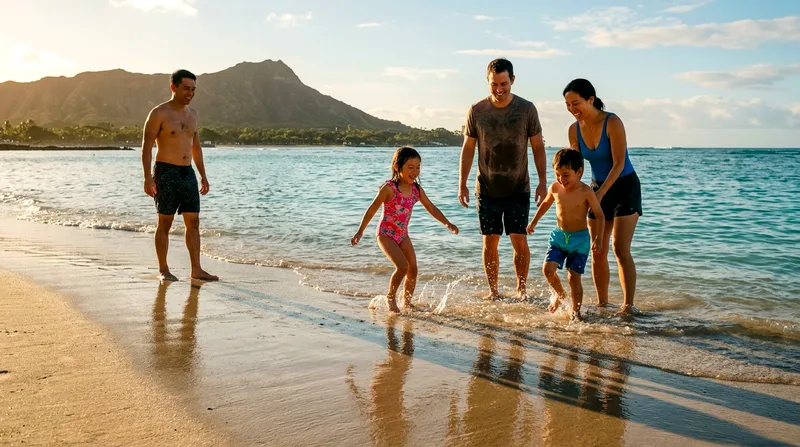
Morning: Hike Diamond Head State Monument early — gates open at 6 a.m., and the trail itself takes 1.5-2 hours round trip, including stairs and a short tunnel section. Reservations are required in advance for non-Hawaii-resident vehicles and for walk-ins alike, so book your entry slot before you fly, not when you arrive. Afternoon: head back to Waikiki Beach, rent a stand-up paddleboard or just swim — the water here is calm and beginner-friendly compared to the North Shore's winter surf. Evening: a sunset catamaran cruise off Waikiki is the one experience worth reserving ahead for day one; slots fill up, especially in peak summer and winter holiday weeks. If you'd rather skip the boat, Waikiki's beachfront bars at the Duke Kahanamoku statue area give you the same sunset without a booking. Rain alternative: the Bishop Museum, about 15 minutes from Waikiki by car, covers Hawaiian natural history and culture well enough to fill a half-day.
Day 2: Pearl Harbor and Honolulu culture
Morning: Pearl Harbor's USS Arizona Memorial requires timed tickets, released in batches online in advance and also in limited numbers same-day — don't count on walk-up availability, especially in summer. Arrive at least 30 minutes before your slot; security screening is airport-level strict, and bags beyond a small clutch aren't allowed inside (there's a paid storage facility at the entrance). Plan 3-4 hours total for the Arizona Memorial plus the Pacific Aviation Museum or the USS Missouri if you want the fuller experience. Afternoon: head into downtown Honolulu for Iolani Palace, the only official state residence of royalty on US soil, or wander Chinatown for lunch. Evening: a luau is the classic Hawaiian-culture booking, but on Oahu many visitors save that experience for the Polynesian Cultural Center on the North Shore instead (see Day 4) rather than doing both — doing two luau-style evenings in one trip is overkill and expensive. If legs are tired, a quiet dinner in Waikiki and an early night sets you up better for Day 3's longer drive.
Days 3-4: Windward Coast and North Shore
This is the part of the itinerary that actually shows you Oahu beyond the resort strip — green cliffs, small-town beach towns, and a noticeably slower pace than Waikiki. Rent a car for these two days even if you've used rideshare elsewhere; the windward and North Shore routes involve multiple stops that aren't practical to chain together with Uber.
Day 3: Windward side and Kualoa Ranch
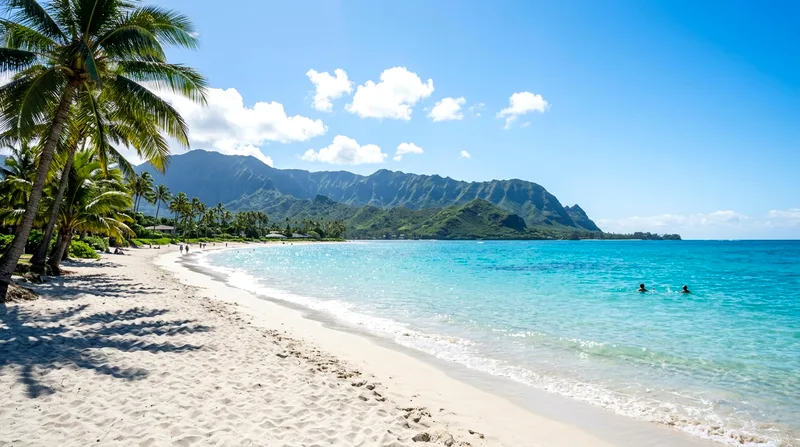
Morning: drive the Pali Highway over the Koolau mountains, stopping at the Nuuanu Pali Lookout for a windy, wide view of the windward coast — it's a 5-minute walk from parking and worth the detour. Continue to Kailua or Lanikai Beach for a swim; Lanikai is often ranked among the best beaches in the US, though parking is limited to residential streets, so arrive before 9 a.m. Afternoon: Kualoa Ranch is the main booking of the day. Guided tours — ATV, horseback, or van — cover the valley where Jurassic Park and other films were shot, and the landscape genuinely earns the hype; it's a different Hawaii than the beach-and-mai-tai image. Tours run 1.5-4 hours depending on type, and the popular slots book out days ahead in peak season, so reserve before you land. Evening: drive back toward Waikiki or, better, stay the night closer to the North Shore if your route allows, cutting tomorrow's drive time.
Day 4: North Shore beaches and food stops
Morning: continue to Haleiwa, the North Shore's main town, for coffee and a wander through its surf shops and galleries. In winter (roughly November through February), the surf here produces genuinely large waves at Pipeline and Waimea Bay — swimming is dangerous for non-locals during big swells, so check posted flags and lifeguard warnings before getting in. In summer, the same beaches calm down and become good for swimming and snorkeling. Afternoon: the Polynesian Cultural Center, run in partnership with Brigham Young University-Hawaii, covers Polynesian culture across several Pacific island nations with demonstrations and a luau-style evening show — this is the better single booking if you only do one cultural evening on the trip. It requires most of an afternoon through evening, so plan the day around it rather than squeezing it in. Alternative for tired legs: skip the Center and just eat your way through Haleiwa's food trucks — garlic shrimp plates and shave ice are the two things to prioritize — then head back for an early night.
Day 5: Easy Beach Day and Departure
By day 5, you'll have covered more ground than most week-long Hawaii trips manage, and this day is deliberately light. Don't schedule a hike or a tour here — give your legs and your itinerary some slack before a travel day.
Morning, afternoon and evening options
Morning: a final swim at Waikiki, or if you haven't been yet, Ala Moana Beach Park — calmer and more local than Waikiki proper, with a reef that blocks most wave action. Afternoon: use remaining time for souvenir shopping at the Ala Moana Center, one of the largest open-air malls in the US, or a final walk up to Kapiolani Park. If you want one more activity, a short snorkeling trip to Hanauma Bay is an option, but note it requires advance reservations and is closed on Tuesdays — don't show up without checking that first. Evening: keep it simple. A poke bowl or plate lunch near your hotel beats a sit-down dinner when you've got an early flight.
Timing around your flight
Most mainland flights out of Honolulu International Airport depart midday to evening, which works in your favor — you get a half-day before heading out. Check in for international or interisland connections at least 2 hours ahead; for mainland US flights, 2-3 hours is standard given TSA lines that can back up during peak departure banks in the early afternoon. If your flight is a red-eye, consider a late hotel checkout (many Waikiki properties allow a 1 p.m. checkout for a fee) rather than killing hours at the airport.
Getting Around and Where to Base Yourself
Oahu's road network is simple — one main highway loop (H-1, H-2, H-3) and a handful of coastal roads — but traffic is the real variable. Avoid driving through downtown Honolulu between 4 and 6 p.m. if you can route around it.
Rental car, rideshare and tours
For this itinerary, rent a car for at least days 3 and 4 — the windward and North Shore loop isn't efficiently done any other way, and a day rental typically runs cheaper than two Uber trips covering the same distance. For days 1, 2, and 5, you can skip the car entirely: Waikiki, Pearl Harbor, and downtown Honolulu are all reachable by rideshare, TheBus (Oahu's public transit, with an all-day pass), or organized shuttle tours. Parking in Waikiki hotels often costs extra per night, so weigh that against a shorter 2-day rental versus a 5-day one. Guided van tours are a reasonable alternative to a rental car if you'd rather not navigate unfamiliar roads, though they move at a fixed pace and group schedule.
Waikiki versus other bases
Waikiki is the obvious base — dense with hotels across every price range, walkable, and central to day 1, 2, and 5 activities. Some travelers base in Kailua on the windward side instead for a quieter, more residential feel, but that adds 25-30 minutes of driving back to Waikiki-area activities each day, which doesn't suit a tight 5-day plan. I wouldn't recommend splitting your stay across two hotels for a trip this short — the time lost checking in and out twice isn't worth whatever "authenticity" you gain from a second neighborhood. One hotel, five nights, keeps things simple.
Optional Bookable Experiences Worth Planning
A few experiences in this itinerary genuinely need advance booking, and a few don't — knowing the difference saves you money and stress.
Book ahead versus stay flexible
Book ahead: Pearl Harbor's USS Arizona tickets, Diamond Head parking/entry reservations, Kualoa Ranch tours, Hanauma Bay slots if you add that on day 5, and the Polynesian Cultural Center evening package. These either have capped daily capacity or benefit from locked-in group tour pricing. Stay flexible: beach time, food truck stops, Chinatown wandering, and the Ala Moana shopping afternoon — none of these need reservations and overbooking your days with fixed-time activities is the fastest way to turn a relaxing trip into a stressful one. The sunset catamaran cruise on day 1 sits in between — book it a few days ahead rather than same-day, but it's not as tightly capped as Pearl Harbor.
Swapping in a Big Island day trip
Some itineraries suggest a day trip to the Big Island to see Kona or Kilauea volcano, flying over and back in a single day. I'd skip this on a 5-day trip. The flight alone is 45 minutes each way, and by the time you add airport transfers on both islands, you're looking at 4-5 hours of travel for maybe 5-6 hours on the ground — a bad trade compared to a full, unhurried day on Oahu. Save the Big Island, with its volcano and Kona coffee farms, for a future trip with at least 3-4 dedicated days. That's a better comparison point than trying to squeeze it into this one, the same way you wouldn't try to add a Bali day trip onto a Fiji vacation.
Frequently asked questions
Is 5 days enough time in Hawaii?
Yes, if you stay on one island. Five days on Oahu lets you cover beaches, hiking, Pearl Harbor, and the North Shore without rushing. Trying to visit Oahu plus Maui or the Big Island in the same 5 days means losing a half or full day to flights and transfers — better to save the second island for a future trip.
Which island should I visit for 5 days?
Oahu is the practical choice for a first short trip — it has the most varied sights within a short drive of each other: Waikiki, Diamond Head, Pearl Harbor, and the North Shore. Maui suits a 5-day trip too if you want more resort downtime and less sightseeing density; Kauai and the Big Island reward longer stays of a week or more.
Should I visit Pearl Harbor on a short trip?
Yes, but book timed tickets for the USS Arizona Memorial in advance — same-day availability is limited and unreliable. Budget half a day including security screening, which is strict and limits bag sizes. It's one of the few genuinely unmissable history sites on Oahu and fits naturally into day 2 of this itinerary.
Do I need a rental car on Oahu?
Not for the entire trip. Waikiki, Pearl Harbor, and downtown Honolulu are all reachable by rideshare or TheBus. But for the windward coast and North Shore days, a rental car is far more efficient than piecing together rides between multiple stops — rent for just those two days if you want to save money.
What is the best time to visit Hawaii for a short trip?
April-May and September-October avoid both the big winter surf closures on the North Shore and the busiest summer crowds and peak prices. Winter (November-February) brings dramatic waves but also rougher ocean conditions and higher hotel rates around the holidays. Summer is reliably warm but the most crowded and expensive stretch.