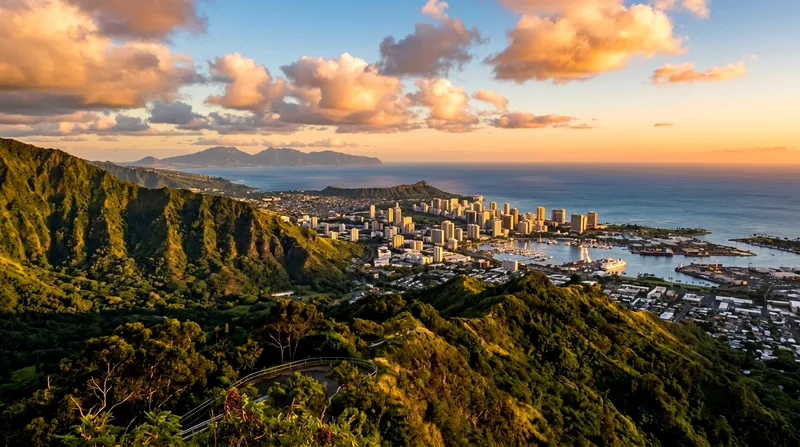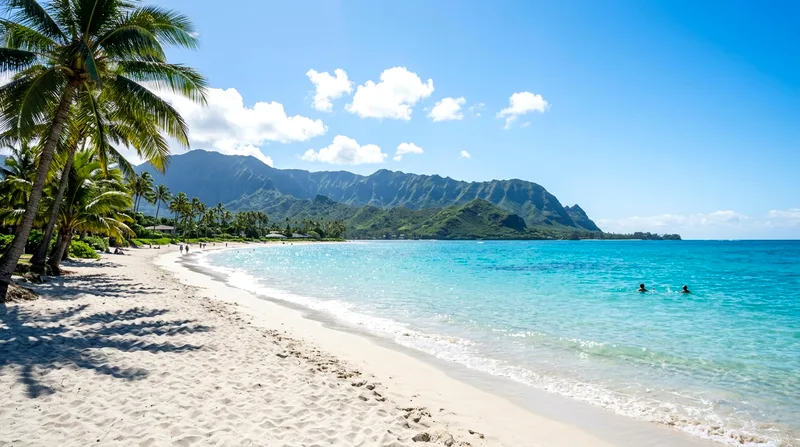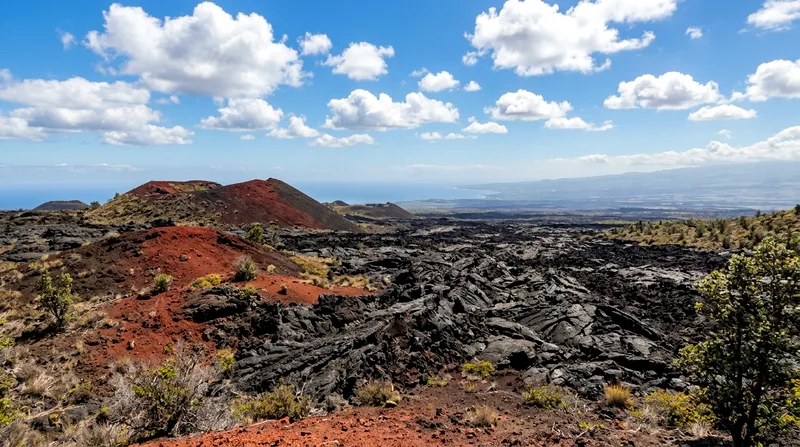
Find the hawaii best time to visit with a month-by-month guide to weather, hurricane season, crowds, prices, whale season and big-wave surf.
Best Time to Visit Hawaii at a Glance
If you want the short answer: the best time to visit Hawaii for most travelers is mid-April to late May or September through mid-October. These windows sit between the two defining forces of Hawaii's calendar — the wetter, more crowded winter and the busy, pricier heart of summer. Weather in the shoulder months is reliably warm (high 70s to mid-80s Fahrenheit), rain is less frequent than winter, and both airfare and hotel rates tend to soften once spring break crowds clear out and before summer vacation traffic ramps up.
That said, "best" depends heavily on what you're optimizing for. A surfer chasing North Shore swells wants December through February, full stop — rain and crowds be damned. A whale watcher needs January through March. A family bound by a school calendar doesn't get much say in the matter and will end up visiting in June, July or the winter holidays regardless of pricing. Hawaii doesn't really have a bad month weather-wise compared to, say, a Caribbean destination deep in hurricane season or Bali during its soggiest monsoon weeks — but it does have months that cost noticeably more and feel noticeably busier.
Dry season vs wet season
Hawaii runs on two seasons, not four. The dry season (kau) spans roughly April through October, and the wet season (hoʻoilo) runs November through March. This isn't a dramatic monsoon-versus-desert split like you'd find in parts of Costa Rica or Bali — it's more a shift in frequency and intensity of showers, especially on windward coasts. Honolulu in February still sees plenty of sun; it just also sees more short, heavy downpours than it would in July. The practical upshot: dry season is safer for beach-heavy, outdoor-focused trips, while wet season brings bigger surf, greener landscapes, and the only real shot at seeing humpback whales.
Hawaii Weather Month by Month
Hawaii's temperature range barely moves across the year — that's the whole appeal. Daytime highs hover between 78°F and 85°F (26-29°C) nearly year-round at sea level, with winter nights dipping into the mid-60s and summer nights staying closer to 75°F. What actually changes month to month is rainfall, wind direction, surf size and water temperature, not whether you'll need a jacket.
December to March: Winter Weather
Winter is Hawaii's wet season, and it's also when the islands feel most alive with visitors. Expect more frequent rain showers, particularly on windward and northern coasts — Hilo on the Big Island averages some of the heaviest winter rainfall in the state, while leeward Kona stays comparatively dry. Surf on Oahu's North Shore turns serious, with waves regularly exceeding 15-20 feet, drawing competitive surfing events and spectators. This is also peak humpback whale season, running roughly December through April, and peak crowd season tied to Christmas, New Year's and spring break. Hawaii in December specifically means warm days (mid-70s to low 80s), occasional storm systems, and the highest hotel and flight prices of the year around the holidays — book 4-6 months ahead if you're traveling between December 15 and January 5.
Hurricane Season and Rainfall Patterns
Hawaii's hurricane season runs officially from June 1 through November 30, mirroring the broader Central Pacific season. Direct hits are rare — the islands sit outside the most common storm tracks compared to the Caribbean or Gulf Coast — but near-misses and tropical storm remnants do happen most years, usually bringing heavy rain and surf advisories rather than structural damage. Hurricane Iniki in 1992 remains the benchmark event, a Category 4 that caused major damage on Kauai; nothing close to that scale has repeated since, but it's a reminder the risk, while low, isn't zero.
Practically, this means August and September carry a small but real chance of weather disruption — more a travel-insurance consideration than a reason to avoid those months outright. Compare that to the Caribbean or coastal Mexico around Cancun, where hurricane season feels far more consequential to trip planning; Hawaii's risk window is milder and shorter in actual impact.
June to November hurricane risks
Most years pass with no direct hurricane landfall on any Hawaiian island — storms often curve away or weaken before arrival. Still, if you're booking July through October, buy travel insurance that covers trip interruption, and keep an eye on the Central Pacific Hurricane Center's advisories starting about a week before departure. Airlines serving Honolulu, Kahului and Kona typically offer rebooking flexibility when storms are tracking close, so this isn't a reason to skip summer and fall entirely — just a reason to have a backup plan.
Crowds and Prices by Season
Crowd levels and prices in Hawaii track fairly predictably with the US school calendar and holidays, more than with weather. Flights and hotel rates from major West Coast gateways swing noticeably between peak and shoulder periods, and rental cars — a genuine pain point on Maui and Kauai — can sell out completely during the busiest weeks, leaving latecomers paying premium walk-up rates or going without a car at all.
April-May and September-October offer the clearest combination of warm, dry weather with lower crowds and prices than winter holidays or peak summer.
Hawaii best time to visit by month: weather, crowds and price level compared
| Period | Typical Weather | Crowd Level | Price Level | Best For |
|---|---|---|---|---|
| Dec 15-Jan 5 | Warm, rain likely | Very High | Highest | Holiday travelers, whale season start |
| Jan-Mar | Warm, wet season | High | High | Whale watching, North Shore surf |
| Apr-May | Warm, drying out | Moderate | Low-Moderate | First-timers, honeymooners, value seekers |
| Jun-Aug | Hot, humid, dry | Very High | High | Families on school break |
| Sep-early Oct | Warm, dry | Low | Lowest | Budget travelers, couples |
| Mid-Oct-Nov | Warm, variable | Moderate | Moderate | Shoulder-season flexibility |
Figures reflect general seasonal patterns, not fixed rates — check current flight and tour prices when booking, since they shift year to year.
Holiday and summer peak periods
The three peak windows are mid-December through early January, mid-March through early April (spring break), and June through mid-August. Expect the highest airfares, the fullest resorts, and the longest waits for popular tours — sunrise trips up Haleakalā on Maui, for instance, already require advance reservations through the National Park Service, and demand is highest in these windows. If you're set on visiting during Christmas week specifically, book flights and lodging at least 5-6 months out; rooms on Oahu's Waikiki strip and Maui's Kaanapali coast routinely sell out otherwise.
Seasonal Experiences and Island Differences
Hawaii isn't one climate — it's four islands with distinct microclimates, and timing a trip around a specific activity often matters more than chasing a generic "best month."
Whale watching and big-wave surf
Humpback whales migrate from Alaska to Hawaiian waters roughly December through April, with peak sightings in February and March off Maui's Auʻau Channel — one of the most reliable whale-watching grounds in the Pacific, rivaling sightings off parts of Alaska in season density if not scale. Book a whale-watching tour out of Lahaina or Maʻalaea with a marine-naturalist narration if you want more than a distant spout; most trips run 2-3 hours. On Oahu, the North Shore's big-wave season peaks December through February, when breaks like Pipeline and Waimea Bay produce some of the most photographed surf on the planet — incredible to watch from the beach, dangerous to swim near. If swimming is the priority, flip the calendar: North Shore beaches turn calm and lake-like from May through September.
How to Choose Your Best Month
There's no single correct answer here, and anyone who tells you otherwise is ignoring that a solo surfer, a family of five and a pair of retirees want completely different things from the same set of islands. Start from your non-negotiable — budget, a specific activity, a school calendar — and let the month follow.
Honeymooners and first-time visitors
For honeymoons and first visits, late April through May or late September into October are hard to beat. You get calm water for snorkeling off Maui's Molokini Crater or Kauai's Napali Coast, lower odds of a rained-out beach day, and resort rates that haven't hit peak-season highs. Avoid Valentine's week and the Christmas-New Year stretch if a quiet, less-scripted experience matters to you — both periods pack Waikiki and Kaanapali with crowds that undercut the romantic-getaway vibe people picture when they compare Hawaii to Bora Bora or Tahiti's overwater bungalow resorts. Hawaii can't fully match that ultra-private, one-resort-per-island feel, but shoulder-season timing gets you closer.
Frequently asked questions
What is the best time to visit Hawaii?
Mid-April to late May and September through mid-October offer the best overall balance of dry weather, thinner crowds and lower prices. Winter (December-March) has bigger surf and whale watching but costs more and rains more often; summer (June-August) is hot, dry and crowded with US school-break travelers.
When is Hawaii's hurricane season?
Hawaii's hurricane season runs June 1 through November 30, with August and September carrying the highest (though still low) risk of a storm affecting the islands. Direct hits are rare — Hurricane Iniki in 1992 was the last major one, hitting Kauai — but travel insurance is worth buying if you're booking during these months.
What is the cheapest month to visit Hawaii?
September and early October are typically the cheapest months to visit Hawaii, after summer crowds clear and before holiday-season demand pushes prices up again. Late April and early May run a close second, with similarly dry, warm weather and lighter crowds than summer.
Is Hawaii good to visit in December?
Hawaii in December brings warm days (mid-70s to low 80s°F), the start of humpback whale season, and big winter surf on Oahu's North Shore — but also the year's highest prices and heaviest crowds around Christmas and New Year's. Visiting early-to-mid December, before the 15th, avoids the worst of the holiday price spike while keeping the good weather.
When is whale watching season in Hawaii?
Humpback whale season in Hawaii runs roughly December through April, with peak sightings in February and March, especially in the Auʻau Channel between Maui, Lanai and Molokai. Most whale-watching boat tours operate out of Lahaina or Maʻalaea Harbor during these months, running about 2-3 hours per trip.