Compare Honolulu food tours by neighborhood, tastings and dietary flexibility, from Chinatown to Kaimuki and Waikiki, plus what to check before booking.
Which Honolulu Food Tour Suits You
Hawaii's food story on Oahu runs from poke bowls and malasadas to dim sum, plate lunch and Korean-Hawaiian fusion plates, and most of that range sits within a 20-minute drive of Waikiki. A Honolulu food tour is less about any single dish and more about covering ground efficiently — you taste six to nine things in two to three hours instead of guessing your way through a dozen strip malls over a week. That's the real value proposition, and it's worth being honest about: you're paying for curation and context, not just food.
The right tour depends heavily on who's walking it. A retired couple from Germany spending four days on Oahu wants something different from a family of five with a eight-year-old, and both want something different from a solo diner who already knows what laulau is and wants the obscure stuff. Chinatown tours lean toward adventurous eaters who want history with their food. Kaimuki tours suit people who've already done the tourist circuit and want the neighborhood where Honolulu residents actually eat on a Friday night. Waikiki tours are the path of least resistance — good for anyone staying there who doesn't want to arrange transport.
If you're traveling with young children, consider portion sizes and pacing before committing. Many tours involve two to three hours of standing and walking between stops, which can wear out a six-year-old faster than it wears out the adults.
First-time visitors and families
If this is your first trip to Oahu, a Waikiki-based tour or a general Honolulu sampler makes the most sense. You won't need a rental car for pickup, the walking distances are short, and the food — garlic shrimp, shave ice, poke, maybe a malasada — tends toward crowd-pleasers rather than acquired tastes. Families with kids under ten should ask specifically about tour length before booking; a 90-minute version exists on some itineraries and is far more forgiving than a three-hour crawl through five blocks. Strollers are generally workable in Waikiki's flat grid but become a liability on Chinatown's narrower, busier sidewalks.
Food lovers seeking local favorites
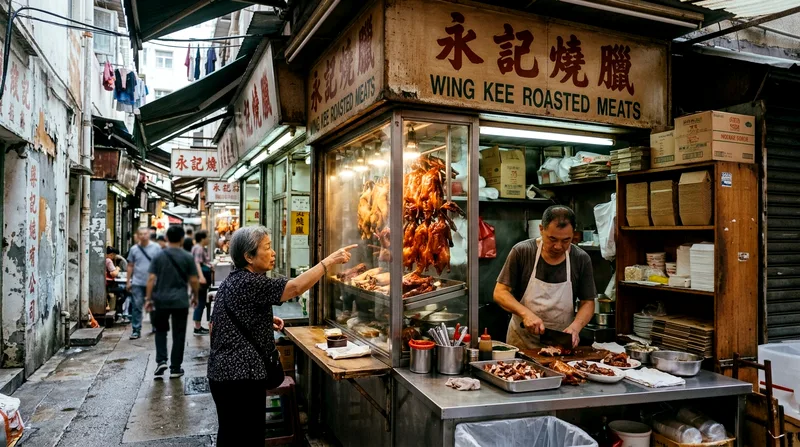
If you've already eaten your share of resort luaus and want what locals actually order, Kaimuki or Chinatown will serve you better than Waikiki. Kaimuki's Waialae Avenue strip is where a lot of Honolulu's respected small restaurants and bakeries operate without tourist markup on the menu. Chinatown gives you the deeper cultural layer — Cantonese barbecue, Vietnamese pho, Filipino bakeries, and the open-air markets where you can see the Hawaiian, Chinese, Japanese and Portuguese influences on local food laid out in one walk. Expect fewer concessions to unfamiliar palates here; that's the point.
Honolulu Food Tours Compared by Neighborhood
Oahu's food tour options cluster around three neighborhoods, and each one produces a genuinely different experience rather than just a different route. Chinatown food tours in Honolulu typically run through the historic district near Downtown Honolulu, mixing market stops with small restaurants that have operated for decades. Waikiki food tours stay within the resort corridor and tend to be shorter and more convenient, trading some authenticity for ease. Kaimuki food tours cover a residential neighborhood east of Waikiki known for chef-driven restaurants and bakeries that Honolulu locals actually frequent — it's a newer category of tour but a strong one if you want fewer other tourists around you.
None of these is objectively "best" — it depends on what you want from two or three hours of your trip. I'd steer most European travelers making their only Oahu stop toward Chinatown, because the cultural layering there is harder to find back home and the walking tour format explains it better than a guidebook can. I'd steer families and anyone short on time toward Waikiki. Kaimuki is my pick for repeat visitors or anyone who's already "done" Oahu's obvious stops once.
Chinatown offers the most cultural depth, Waikiki the most convenience, and Kaimuki the most local-resident dining.
Honolulu food tour neighborhoods compared: Chinatown, Kaimuki and Waikiki
| Neighborhood | Typical Duration | Tastings | Dietary Flexibility | Best For |
|---|---|---|---|---|
| Chinatown | 2.5–3 hours | 6–9 stops | Moderate — ask ahead | History and adventurous eaters |
| Kaimuki | 2–2.5 hours | 5–7 stops | Good — more modern menus | Repeat visitors, local favorites |
| Waikiki | 1.5–2.5 hours | 5–6 stops | Good — tourist-friendly menus | Families, first-time visitors |
Typical figures based on common tour formats; exact stops, timing and dietary options vary by operator, so confirm details before booking.
Comparison table: Chinatown, Kaimuki, Waikiki
The table below lays out how these three Honolulu food tour categories typically differ in format rather than by specific company or price, since those details change and should be checked at booking time.
Local dishes you will taste
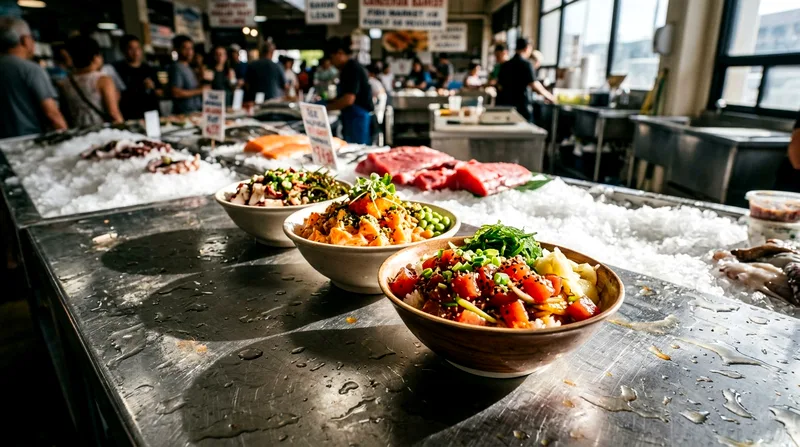
Expect overlap across all three neighborhoods but different emphasis. Chinatown tours lean into dim sum, char siu, Vietnamese and Filipino bakery items, and sometimes a stop at an herbal shop or wet market stall selling items you won't recognize. Kaimuki tours favor plate lunch, modern poke preparations, craft bakeries doing malasadas or butter mochi, and sometimes a ramen or Korean-Hawaiian stop. Waikiki tours hit the familiar landmarks of Hawaiian food — poke, shave ice, garlic shrimp, maybe a classic loco moco — because they're built for visitors who want recognizable names rather than deep cuts. If you want to taste something distinctly Hawaiian rather than pan-Asian Honolulu, ask in advance whether the tour includes poi, kalua pork, or lomi salmon, since not all of them do.
Group, Private and Self-Guided Options
Beyond neighborhood, the format of the tour changes the experience as much as the location does. Most Honolulu food tours run as small group walking tours, typically eight to fifteen people with one guide. Private food tours in Honolulu exist too, usually built around the same neighborhoods and stops but priced per group rather than per person, and they let you adjust pace, skip a stop you're not interested in, or linger somewhere you like. Self-guided options are the third path — essentially a route map or app-based itinerary you follow at your own speed, with no guide at all.
I'd avoid self-guided food "tours" for Chinatown specifically. Without a guide, you miss the context on what you're eating and why a particular bakery or market stall matters, and Chinatown's layout is confusing enough that first-time visitors waste time backtracking. Self-guided makes more sense in Waikiki, where the grid is simple and you can realistically build your own crawl using a list of recommended stops.
Small group vs private tours
Small group tours cost less per person and put you alongside other travelers, which solo travelers and couples often like — it's a built-in way to meet people on a trip. The trade-off is less flexibility: you eat what's on the itinerary, at the group's pace, with restroom and photo stops dictated by the guide's schedule. Private tours cost more overall but divide better across a family or group of four to six, and they allow substitutions for allergies or preferences that a set-menu group tour can't easily accommodate. If someone in your party has a severe allergy, a private tour is the safer call, not because group tours ignore allergies, but because a guide managing fifteen people has less room to improvise.
Is a guided tour worth it?
For Chinatown, yes — the historical and cultural context on Hawaiian, Chinese, Japanese and Portuguese culinary influences is genuinely hard to piece together on your own, and a good guide will get you into shops you'd otherwise walk past. For Waikiki, it's more of a convenience purchase than a necessity; you could eat at the same handful of well-known spots without a guide and save money, though you'd lose the tasting-portion format that lets you sample more dishes for less food waste. For Kaimuki, a guide earns their fee by knowing which of the dozen good restaurants on Waialae Avenue are worth stopping at that week, since the neighborhood's dining scene shifts faster than Waikiki's.
What to Check Before Booking
Check exactly how many tastings are included and whether drinks — coffee, tea, a beer or cocktail pairing — are part of the price or an add-on. Tour length typically runs 1.5 to 3 hours, and that range matters more than it sounds: a 90-minute Waikiki tour might only cover four stops, fine for a light lunch but not a dinner replacement, while a three-hour Chinatown tour can function as your entire evening meal. Confirm whether the tour includes transportation between stops or is fully on foot — most Honolulu food tours are walking tours by design, covering roughly half a mile to a mile and a half total, which is manageable for most adults but worth noting if anyone in your group has joint or mobility issues.
Inclusions, tastings and tour length
Check exactly how many tastings are included and whether drinks — coffee, tea, a beer or cocktail pairing — are part of the price or an add-on. Tour length typically runs 1.5 to 3 hours, and that range matters more than it sounds: a 90-minute Waikiki tour might only cover four stops, fine for a light lunch but not a dinner replacement, while a three-hour Chinatown tour can function as your entire evening meal. Confirm whether the tour includes transportation between stops or is fully on foot — most Honolulu food tours are walking tours by design, covering roughly half a mile to a mile and a half total, which is manageable for most adults but worth noting if anyone in your group has joint or mobility issues.
Dietary needs, group size and cancellation
Message the operator directly about vegan, gluten-free, shellfish, or other allergy needs rather than assuming the listing's "dietary options available" covers your specific case — Hawaiian and Chinese food leans heavily on shellfish, pork, and soy-based sauces, and substitutions aren't always possible at every stop. Ask about group size caps, since a tour capped at ten people feels very different from one with twenty-five. Also check the cancellation policy before paying in full; Oahu's weather is generally reliable, but outdoor market stops in Chinatown can be affected by occasional heavy rain, and you'll want to know if you can reschedule without penalty.
When to Book and Best Time to Go
Honolulu food tours sell out further in advance than most visitors expect, particularly small group tours with caps under fifteen people. This isn't a last-minute city activity the way a beach day is — plan ahead, especially if your trip falls during peak Hawaii travel periods.
How far ahead to reserve
Book two to four weeks ahead for standard travel periods, and extend that to six to eight weeks if you're traveling over winter holidays, spring break, or summer — all popular times for Oahu visits generally. Private tours typically have more flexibility since they're not capacity-constrained by other travelers' bookings, but popular guides still fill their calendars during peak season. If you're planning a broader Oahu itinerary that also includes a Pearl Harbor visit, a North Shore day, or a snorkeling trip to Hanauma Bay, book the food tour around those fixed-time commitments rather than the other way around, since restaurants and markets have their own operating hours that are harder to shift.
Best time of day and season
Morning tours in Chinatown let you see the wet markets at their most active, before the midday heat sets in and some vendors pack up. Evening tours suit Kaimuki and Waikiki better, since many of the restaurants featured are dinner-oriented and the heat has eased by early evening. Year-round, Oahu's weather makes food tours workable in any season, but if you're visiting during a rainier stretch — typically November through March — ask whether the tour has a covered or indoor contingency, since Chinatown's market stops are largely outdoors.
Frequently asked questions
What are the best food tours in Honolulu?
There's no single best tour — it depends on neighborhood and style. Chinatown tours offer the deepest cultural context and the widest range of cuisines; Kaimuki tours suit visitors wanting local-favorite restaurants away from tourist crowds; Waikiki tours are the most convenient for first-time visitors staying nearby. Compare current listings, reviews and inclusions for each category before deciding.
Which Honolulu neighborhood is best for a food tour?
Chinatown generally offers the richest experience for adventurous eaters interested in Honolulu's Chinese, Vietnamese, Filipino and Hawaiian food history. Kaimuki suits repeat visitors or anyone wanting restaurants actual Honolulu residents frequent. Waikiki is best if convenience and shorter walking distances matter more than variety.
What is included in a Waikiki food tour?
Most Waikiki food tours include five to six tastings across 1.5 to 2.5 hours, often featuring poke, shave ice, garlic shrimp and a Hawaiian plate lunch item. Drinks and alcohol pairings are sometimes extra. Always check the specific stop list and whether it's a walking tour or includes transport.
Can Honolulu food tours accommodate vegan, gluten-free or allergy needs?
Many can, but flexibility varies by tour and stop — contact the operator directly before booking rather than relying on a generic listing claim. Shellfish, pork and soy are common in Hawaiian and Chinese dishes featured on these tours, so severe allergies are better handled with a private tour that allows substitutions.
Can you do a self-guided food tour in Honolulu?
Yes, particularly in Waikiki, where the compact grid and well-known food spots make a self-planned crawl manageable. Chinatown is harder to self-guide well since the cultural context and navigating the market layout benefit from a guide. Kaimuki falls in between — doable with research, but a guide saves time identifying which restaurants are currently worth the stop.