Plan your Dole Plantation tour: compare ticket options, see what the Pineapple Express train covers, get maze and Dole Whip tips, and build a car-free North Shore day.
What the Dole Plantation Is and Why Go
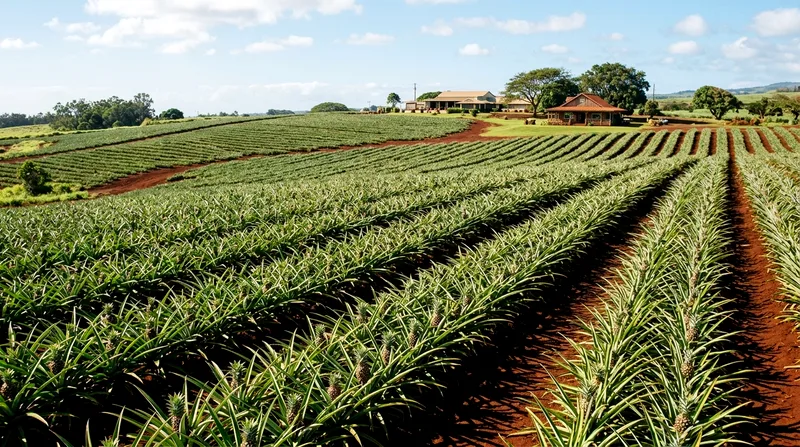
Most visitors asking about a Dole Plantation tour really want to know one thing: is this worth a detour on the way to the North Shore, or a waste of a parking spot? The honest answer is that it's worth about 60 to 90 minutes of your day, mainly for three things — the Pineapple Express train ride, the Dole Whip, and the novelty of walking through an actual pineapple field. It is not a working farm tour in any serious sense. It's a retail and snack stop with some agricultural attractions attached, sitting in Wahiawa on Oahu, roughly at the midpoint between Waikiki and the North Shore beach towns.
The site started as a fruit stand decades ago and has grown into a complex with a gift shop, a garden walk, a hedge maze, and the train loop through demonstration fields of pineapple and other crops. If you come expecting a Costa Rica-style plantation tour with guides explaining soil chemistry and harvest cycles, you'll be disappointed — the agricultural content is light, aimed at kids and casual visitors rather than anyone wanting real horticultural depth.
Train, maze, gardens and Dole Whip at a glance
Four things define a visit here. The Pineapple Express train is a roughly 20-minute narrated ride on a small outdoor train looping through the fields, explaining a bit about pineapple varieties and Hawaii's plantation history. The garden tour is a self-guided walk, about 20 minutes, through themed plant sections — pleasant but not essential if you've already seen tropical gardens elsewhere on Oahu. The maze is a large hedge maze that takes most groups 20 to 40 minutes depending on how lost you get; it's fun for kids and competitive adults, tedious for anyone who dislikes mazes. And the Dole Whip — the pineapple soft-serve everyone photographs — is sold separately near the entrance and doesn't require any ticket at all.
Dole Plantation Tickets: What Is Worth Buying
Ticketing here works on an à la carte model rather than one all-inclusive pass. You buy separate tickets for the train, the maze, and the garden tour, and you can mix and match based on what your group actually wants to do. There's no need to buy everything — in fact, for most visitors, buying everything is the mistake.
If I had to rank them: the Pineapple Express train is the best value for most travelers, because it covers the most ground, gives you a seated break from walking, and works for every age group including grandparents who'd rather not hike through a maze. The garden tour is the easiest to skip if you've already walked through the Lyon Arboretum or botanical gardens elsewhere on Oahu — it's pleasant but not distinctive enough to prioritize. The maze is the one purely for entertainment value; it's the largest attraction on paper, but 30-40 minutes of hedge-walking with kids in Hawaii heat isn't everyone's idea of a good use of vacation time.
The Pineapple Express train offers the best value for most visitors, while the maze is the most skippable unless you're traveling with kids who want an active challenge.
Dole Plantation tour ticket options compared: train, maze and garden tour
| Attraction | Duration | Best For | Physical Effort |
|---|---|---|---|
| Pineapple Express Train | approx. 20 min | Families, seniors, first-time visitors | Low, seated |
| Garden Tour | approx. 20 min | Plant lovers, slow walkers | Low, flat paths |
| Pineapple Maze | 20-40 min | Kids, competitive groups | Moderate, uneven gravel |
| Dole Whip & grounds (no ticket) | 15-20 min | Budget travelers, quick stops | Minimal |
Typical durations only; confirm current hours and ticket requirements on the official Dole Plantation site before visiting.
Pineapple Express train vs garden tour vs maze
Think about who's in your group before deciding. Families with kids under 10 generally get the most out of the maze and the train combined — the train as a low-effort intro, the maze as the "adventure" part of the day. Couples and solo travelers short on time are usually better off doing just the train and a Dole Whip, then moving on to Haleiwa or the beaches. Senior travelers or anyone with mobility concerns should stick to the train and skip the maze entirely — it's uneven ground with no shortcuts once you're committed. None of these tickets are expensive compared to, say, a Maui luau or a Bora Bora lagoon excursion, but buying all three for a family of four adds up fast for what amounts to a 90-minute stop.
Free entry and what you can do without a ticket
Here's what a lot of guides don't make clear: you don't need to buy anything to visit Dole Plantation at all. Parking, entry to the grounds, the gift shop, and the Dole Whip stand are all accessible without a ticket. If you're traveling on a tight budget or just want the photo and the pineapple soft-serve without paying for the train or maze, that's a completely legitimate way to do this stop — plenty of North Shore day-trippers do exactly that, grab a Dole Whip, take a photo by the pineapple sign, and get back on the road in 20 minutes.
Visiting Independently or With a Tour
Most people visit Dole Plantation as a stop along a self-driven North Shore loop, and that's genuinely the easiest way to do it if you have a rental car. You park free, spend as long or as short a time as you like, and continue on to Haleiwa town or Sunset Beach without waiting on anyone else's schedule. The trade-off is obvious — you're driving yourself on roads you may not know, and parking around Wahiawa and the North Shore can be tight during midday.
A guided tour makes more sense if you don't want to drive, or if you're combining this stop with other North Shore highlights like Waimea Bay, the Banzai Pipeline viewpoint, or Haleiwa's shave ice shops in one organized day. The trade-off there is pacing — group tours typically allot limited time at each stop, so you might get 30 minutes at Dole Plantation rather than the 90 you'd choose independently.
Getting there from Waikiki without a car
This is the real sticking point for a lot of visitors doing a north shore day trip without a car. Oahu's public bus system, TheBus, can get you to Wahiawa and on toward the North Shore, but it typically involves at least one transfer and significantly more travel time than driving — often two hours or more one-way depending on connections. It's workable if you have a full day free and don't mind the ride, but it's not a quick hop. For most car-free travelers, a shuttle or guided tour that includes Dole Plantation as a stop is the more realistic option, since it removes the transfer guesswork entirely.
Guided North Shore tours that include the stop
Several Oahu day-tour itineraries run from Waikiki hotels up through Wahiawa and the North Shore, usually including a short stop at Dole Plantation alongside beach time, a Haleiwa lunch break, and sometimes a stop at the Banzai Pipeline or Waimea Valley. These tours typically run a full day, around 8 to 10 hours door to door, and usually include round-trip transport from Waikiki. If you're not renting a car for your whole Oahu trip, this is generally the most efficient way to see Dole Plantation, Haleiwa, and the beaches in one outing — check current prices and included stops before booking, since itineraries vary by operator.
Best Time to Visit and What to Expect
Dole Plantation typically opens in the morning and closes in the early evening, with the train and maze often stopping ticket sales before the grounds actually close — so don't plan this as a sunset stop. Arriving right at opening or in the last hour or two before closing gives you the thinnest crowds. Midday, especially between 11 a.m. and 2 p.m., is when tour buses tend to cluster, and the gift shop and Dole Whip line can back up noticeably.
Avoiding crowds and weather considerations
Wahiawa sits inland and slightly elevated compared to the coast, so it can be a few degrees cooler than Waikiki but also catches more rain — Oahu's central and windward areas see showers more often than the leeward beaches. If you're touring the maze, a light rain jacket is smarter than an umbrella since you'll have your hands full with kids or a camera. Weekday mornings are consistently quieter than weekends, when local families also visit alongside tourists.
Accessibility, parking and family tips
Parking is free and generally ample, though it fills up during midday tour-bus windows. The grounds are mostly flat and stroller-friendly, with the exception of the maze paths, which are gravel and uneven. Restrooms and a shaded seating area near the Dole Whip stand make this an easy stop for families needing a break, and there's no shame in just letting kids run around the lawn area instead of paying for the maze — plenty of local families treat it exactly that way.
Pairing Dole Plantation With a North Shore Day
The mistake I see a lot of first-time Oahu visitors make is treating Dole Plantation as the main event of a North Shore day. It isn't. It's a waypoint. The real draws up there are Haleiwa town, with its shave ice stands and surf shops, and the beaches — Waimea Bay for swimming, Sunset Beach and Pipeline for watching surfers in winter. Dole Plantation works best as a 60-90 minute pit stop between Waikiki and those destinations, not as the anchor of your day.
Sample car-free itinerary with Haleiwa and beaches
If you're relying on a guided tour or shuttle, a realistic day looks like this: pickup from Waikiki around 7:30-8 a.m., a short stop at Dole Plantation around 9-9:30 a.m. for the train and a Dole Whip, then on to Haleiwa for a late-morning walk and lunch, followed by beach time at Waimea Bay or a North Shore viewpoint in the early afternoon, with return to Waikiki by early evening. This mirrors how a lot of organized Oahu day tours are structured, and it solves the car-free problem without you having to manage bus transfers through Wahiawa yourself. It's a longer day than driving yourself, but for travelers without a rental car, it's the most practical way to see all of it in one go.
Frequently asked questions
Is the Dole Plantation tour worth it?
For most visitors, yes — but only the train and Dole Whip portion, not the full ticket lineup. Budget 60-90 minutes, skip the maze unless traveling with kids, and treat it as a stop on a North Shore day rather than a destination worth a dedicated trip from Waikiki.
Can you walk around Dole Plantation for free?
Yes. Parking, the grounds, gift shop, and Dole Whip stand are all free to access. You only pay separately if you want the Pineapple Express train, the garden tour, or the hedge maze.
How long does a Dole Plantation tour take?
A quick stop for photos and a Dole Whip takes about 20 minutes. Adding the train pushes it to around 45 minutes. Doing the train, garden tour, and maze together typically takes 90 minutes to two hours.
How do you get to Dole Plantation from Waikiki without a car?
TheBus can get you there via Wahiawa with at least one transfer, but it often takes two hours or more one-way. A guided North Shore day tour with Waikiki pickup is usually faster and less stressful for car-free travelers.
Do you need a reservation for Dole Plantation?
Walk-up entry is generally available for the grounds and individual attractions, but popular times can mean waiting for the train or maze. Check the official Dole Plantation site for current reservation policies before your visit, especially during peak season.