Compare Hawaii ATV tours by island: ranch and jungle rides, driver age rules, passenger options for kids and how muddy you'll get. Plan with confidence.
Which Hawaii ATV Tour Suits You
Hawaii's volcanic terrain was practically built for off-roading. Red dirt ranch trails, jungle valleys used as filming backdrops, and coastal ridgelines with long ocean views give Hawaii ATV tours a different character than off-roading anywhere else in the U.S. — you're not just bouncing through mud, you're doing it with a backdrop that's appeared in Jurassic Park and Lost. That scenery is the real draw, and it's why these tours book out during peak season on Oahu in particular.
But "ATV tour" in Hawaii covers a wide range of experiences, and the right pick depends entirely on who's in your group. A solo traveler wanting speed and dirt in their teeth wants something different than a family with a 6-year-old, and a couple wanting photos at a scenic overlook has different priorities than four friends who want the fastest, muddiest ride available.
Families with young children
If you're traveling with kids under 15, your options narrow fast. Most true ATV (quad-style, straddle-seat) tours require drivers to be 16 or older with a valid driver's license, and many don't allow young children as passengers at all because there's no proper seatbelt or roll cage. Side-by-side UTV tours are the better bet for families — they're enclosed, bench-seated, and several Hawaii operators allow younger children to ride as passengers with an adult driver, often with a minimum height requirement around 40-42 inches rather than a strict age cutoff. Kualoa Ranch on Oahu is the most family-friendly operation on this front, since its Jungle Expedition and Raptor Off-Road tours use UTVs that accommodate younger kids as passengers. I'd steer families away from any tour advertised as pure "ATV" without checking the vehicle type first — the terminology gets used loosely in marketing.
Thrill seekers and groups
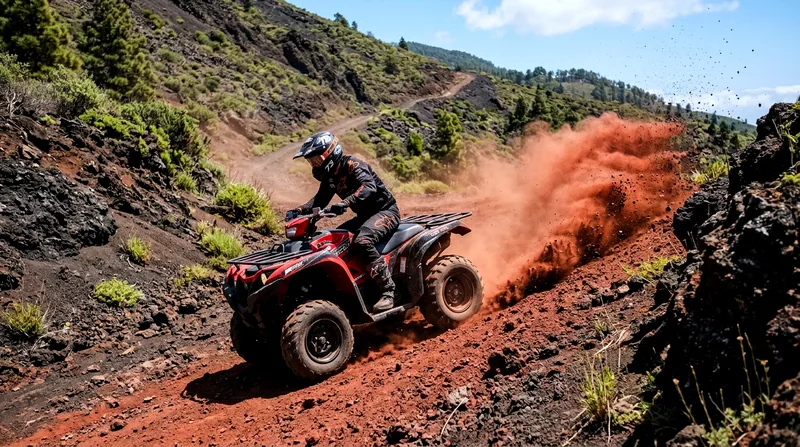
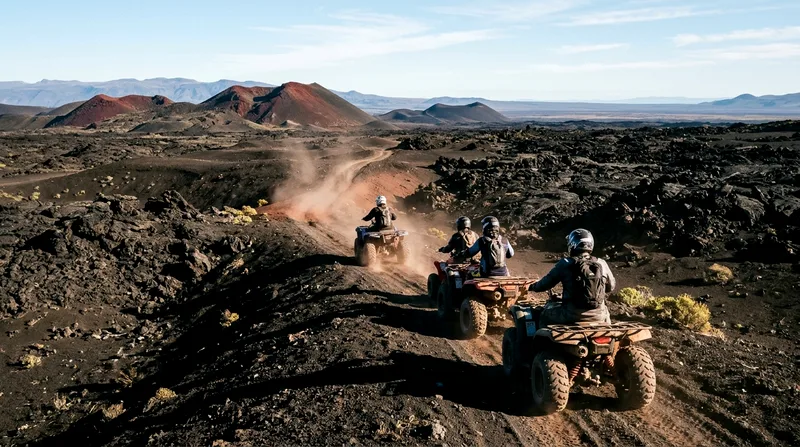
If you want speed, mud, and the chance to actually drive rather than ride shotgun, a solo ATV tour on Kauai or the Big Island is going to satisfy you more than a Kualoa Ranch group tour, which tends to run at a steadier pace because it handles large tour volumes. Groups of adults should look at private or semi-private UTV tours — a few Hawaii operators let you book a UTV just for your group rather than joining a convoy of 15 strangers. That costs more, but you get more driving time per person and fewer stops waiting for the group to regroup. Big Island's Kohala UTV Tours routes through working ranch land with genuinely technical terrain, which is a better match for experienced riders than Oahu's more manicured, tourist-heavy trails.
ATV and UTV Tour Types Compared
The biggest decision isn't really which island — it's which vehicle type and tour format. Hawaii tours generally split into solo ATVs (one rider per quad), side-by-side UTVs (two to four people in a single vehicle with a steering wheel and pedals), ranch-based tours on open grazing land, and jungle or farm-based tours through denser, muddier terrain. Each has a distinct trade-off between control, social dynamic, and mess level.
UTV ranch and jungle tours accept younger passengers and suit families, while solo ATV and private group tours favor adult riders wanting more control and mess.
Hawaii ATV and UTV tour categories compared by age rules and mud level
| Tour Type | Typical Duration | Min Driver Age | Kid Passengers | Mud Level |
|---|---|---|---|---|
| Solo ATV (quad) | 1.5-3 hours | 16+ with license | Rarely allowed | Moderate-High |
| Side-by-side UTV (group) | 2-3 hours | 15-16+ (varies) | Often allowed, height-based | Moderate |
| Ranch-based tour | 1.5-2.5 hours | 15-16+ | Usually allowed as passenger | Low-Moderate |
| Jungle/valley tour | 2-3 hours | 15-16+ | Sometimes, check operator | High |
| Private/small-group UTV | 2-4 hours | 15-16+ | Flexible, confirm directly | Moderate-High |
Age and height rules vary by operator and change periodically; always confirm current requirements before booking.
Solo ATV vs side-by-side UTV
A solo ATV puts you in full control — you lean into turns, feel every rut, and it's the closer experience to genuine off-roading. The catch: you ride alone, so couples and families end up split across multiple vehicles, and young children can't ride at all. UTVs trade some of that visceral feel for practicality. You sit side-by-side with a passenger, there's a roll cage and seatbelts, and conversation is possible mid-ride since you're not wearing a full-face helmet in most UTV tours (many ATV tours require one). For a first-timer or anyone nervous about handling a vehicle alone on uneven ground, the UTV is the easier, lower-stress option, and it's what most Hawaii operators default to now — pure ATV-only tours have actually become less common on Oahu and Maui than they were years ago.
How muddy each ride gets
Mud level depends more on terrain and season than vehicle type. Jungle and valley tours — the kind that pass through dense vegetation and stream crossings — get genuinely muddy, and operators often provide coveralls or ponchos because you will get splattered, sometimes head to toe. Ranch tours on more open, graded trails stay comparatively drier, though Hawaii's trade-wind rain showers can turn any trail slick within minutes, and that's part of the appeal, honestly. If you want a guaranteed clean return to your hotel, Hawaii off-roading generally isn't for you — bring clothes you don't mind ruining, and ask the operator directly how muddy their specific route tends to run, since conditions vary tour to tour even on the same island.
Best Off-Road Tours by Island
Not every Hawaiian island offers ATV tours — Oahu and Kauai lead, Maui and the Big Island have fewer but notable options, and if ATV riding is a priority for your trip, that should influence which islands make your itinerary.
Oahu and Kauai ranch and jungle rides
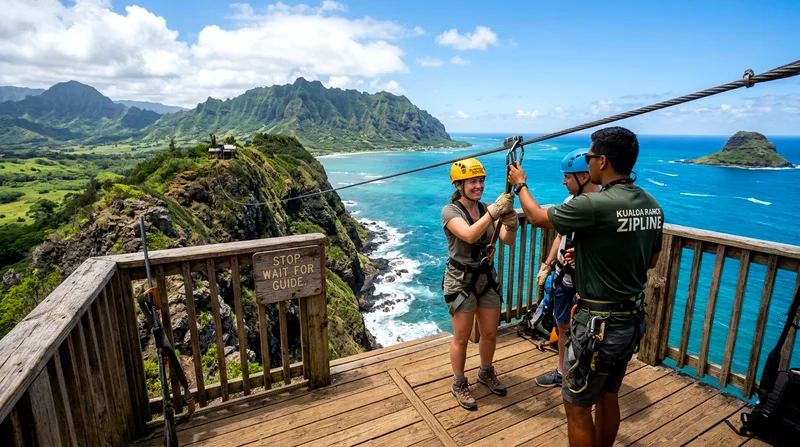
Oahu's Kualoa Ranch UTV tours are the most recognizable in the state, running through the Ka'a'awa Valley past film locations from Jurassic Park, Godzilla, and Lost. It's a polished, high-volume operation — good for families and first-timers, less good if you want solitude or a wild, unscripted ride. Reviews on TripAdvisor and GetYourGuide consistently flag it as reliable and scenic, though also consistently note large group sizes during peak afternoon slots. Kauai's ATV tours, often branded around names like Kipu Ranch or similar jungle-valley routes, tend to be muddier and more rugged, with stream crossings and tighter trails cut into the island's wetter interior. If you've already done Kualoa and want something grittier, a Kauai ATV tour is the better second experience rather than a repeat.
Maui and Big Island rides
Maui off-road tours are fewer and more localized — a Lahaina ATV Adventure-style tour typically runs through West Maui's upcountry hills with ocean views back toward the channel and Lanai. Maui's options skew smaller-scale than Oahu's, which actually works in your favor if you dislike big tour groups. The Big Island's UTV tours, including Kohala UTV Tours-style routes on the Kohala Coast, run through former sugar plantation land and ranch terrain with a rawer, less manicured feel than Oahu's trails — expect rockier paths and a longer drive from Kona or Waimea to reach the staging area. Big Island riding suits visitors who've already done a polished tour elsewhere and want something closer to actual ranch work than a curated tourist loop.
Age Rules, Passengers and Kids
This is the section that causes the most booking regret, because people assume "family-friendly" marketing means any child can ride, and that's rarely true.
Minimum driver age and licence rules
Most Hawaii ATV and UTV tours set the minimum driving age at 15 or 16, and solo ATV tours typically require a valid driver's license regardless of the rider's age — so a 17-year-old visitor without a license usually can't drive, only ride as a passenger if the tour allows it. UTV tours sometimes relax this slightly for 15-year-olds riding with a parent in the vehicle, since the parent retains partial control, but rules differ by operator and by island. European travelers should note that a foreign driver's license is generally accepted, but it's worth checking policy directly rather than assuming, since Hawaii operators don't follow one uniform standard the way, say, car rental agencies do.
Child passenger height and age limits
For families, the number that matters most isn't age — it's height. Many UTV tours set a minimum passenger height around 40 inches, which usually puts the floor around age 4-5 depending on the child. Below that height, most operators simply won't allow the child on the vehicle at all, full stop, regardless of how the parent feels about it — it's a liability and seatbelt-fit issue, not a judgment call made on-site. If you're traveling with a toddler, plan for one parent to ride while the other watches the child, or look into whether the tour company offers a kids' activity area; Kualoa Ranch, for instance, runs multiple activity types on the same property so a non-riding parent and child aren't stuck with nothing to do.
What to Check Before Booking
Beyond age rules, a handful of practical details separate a good Hawaii ATV tour experience from a frustrating one.
Inclusions, group size and private options
Check whether the listed price includes helmet, goggles, coveralls or ponchos, and water — most do, but not all, and arriving without eye protection on a dusty ranch trail is miserable. Group size matters more than people expect: a 20-person convoy tour means more stopping and waiting, less personal pacing, and photos with strangers in the background at every viewpoint. If budget allows, a private or small-group option (often capped around 4-8 vehicles) is worth the upgrade for couples or small families who want a more personal pace. Always compare current prices and reviews on sites like TripAdvisor or GetYourGuide before booking, since availability and exact inclusions shift by season and operator.
Cancellation and weather policies
Hawaii's weather, especially on the windward sides of Oahu and Kauai, can turn a scheduled tour into a washout with little warning. Most operators have a rain policy — some tours run in light rain since mud is part of the appeal, but heavy rain or flash flood warnings can cancel a tour outright, sometimes same-day. Ask about the refund or reschedule policy before paying in full, particularly if you're booking during a short trip window with no flexibility to shift days. I'd avoid any tour that doesn't clearly state its weather cancellation terms somewhere in the booking flow — that's a sign of a less organized operation.
When to Book and What to Wear
Timing and packing both affect how much you enjoy the ride, and both are easy to get wrong on a first Hawaii trip.
Seasons, weather and booking lead time
Winter months (November through March) bring more rain to Hawaii's windward valleys, which means muddier trails — great if that's the point, less great if you wanted a drier ride. Summer offers more reliable dry conditions but also peak crowds, especially on Oahu, where Kualoa Ranch tours can book out a week or more in advance during July and August. Book at least a few days ahead for shoulder season, and a week or two ahead for summer or holiday periods. Morning slots tend to run cooler and less crowded than afternoon departures, which matters more on exposed ranch trails with little shade.
Clothing, footwear and cleanup
Wear closed-toe shoes — sneakers you don't mind staining, not sandals, which most operators won't allow anyway. Long pants protect against mud splash and brush scrapes better than shorts, even in Hawaii's heat, and sunglasses or the provided goggles matter on dusty, dry-season trails as much as on wet ones. Bring a change of clothes and shoes for after the tour; most staging areas have basic rinse stations but not full showers. Leave jewelry and anything you can't afford to lose in the hotel safe, not in a pocket.
Frequently asked questions
What is the minimum age for ATV tours in Hawaii?
Most Hawaii operators set the minimum driving age at 15 or 16, and solo ATV tours typically also require a valid driver's license. Passenger age minimums are usually based on height (often around 40 inches) rather than age alone, but rules vary by operator, so confirm directly before booking.
Can children ride as passengers on ATV tours?
On UTV (side-by-side) tours, yes — many Hawaii operators, including Kualoa Ranch, allow children as passengers once they meet a minimum height requirement, typically around 40 inches. Solo quad-style ATVs rarely allow child passengers since there's no proper seatbelt or enclosure.
How long do Hawaii ATV tours last?
Most tours run 1.5 to 3 hours including a safety briefing and gear fitting, with actual drive time usually making up 60-90 minutes of that. Private or extended tours can run up to 4 hours; always check the listed duration against check-in time requirements, which can add 30 minutes before the ride starts.
What should I wear on an ATV tour?
Closed-toe shoes, long pants, and clothes you don't mind getting muddy or dusty. Bring sunglasses or use the provided goggles, and pack a full change of clothes for after — rinse stations are common, but showers generally aren't.
Are there ATV tours on Kauai?
Yes, Kauai has established ATV and off-road tours running through jungle valleys and former plantation land, often wetter and muddier than Oahu's ranch-style routes. They tend to suit riders who want a rawer, more rugged experience after trying a more polished tour elsewhere.