Compare Polynesian Cultural Center tickets and packages, from basic admission to luau and Ha Breath of Life show tiers, and pick only what you'll use.
What Polynesian Cultural Center Tickets Cover
If you've started pricing out Polynesian Cultural Center tickets, you've probably noticed there isn't just one price — there are several tiers, each bundling a different mix of villages, meals, and shows. That's the real decision here: not whether to go, but how much of the evening program you actually want to pay for. A lot of visitors end up buying a premium package out of fear of missing something, then skip half of what's included because they're full from dinner or worn out from a day on Oahu's North Shore.
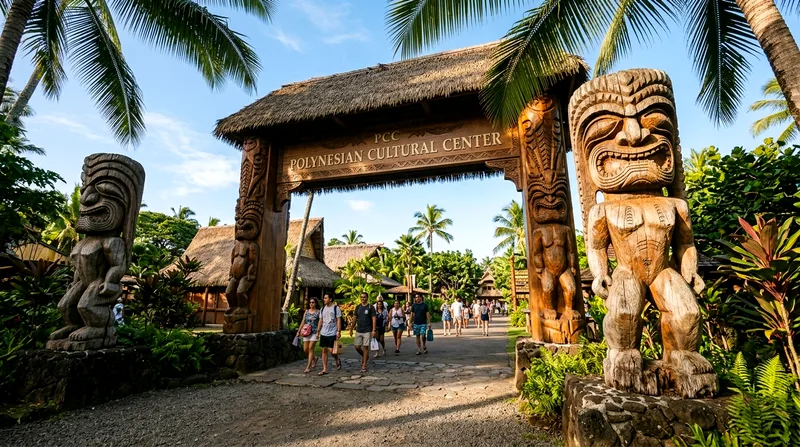
The center sits in Laie, about an hour's drive north of Waikiki, and it's built around six recreated Polynesian villages — Hawaii, Samoa, Fiji, Tonga, Tahiti, and Aotearoa (New Zealand) — staffed by cultural demonstrators, many of them students at the adjacent Brigham Young University–Hawaii. The site is affiliated with The Church of Jesus Christ of Latter-day Saints, which shapes the tone: family-friendly, alcohol-free, and closed on Sundays. That last point trips people up more than anything else — don't plan a Sunday visit assuming you can buy a ticket at the gate.
What basic admission includes
Entry-level admission gets you into the six villages during daytime hours, access to a canoe pageant on the center's waterways, demonstrations like fire-knife practice and ukulele lessons, and general grounds access. This is the daytime cultural-park experience — no dinner, no evening show. For a family that wants to wander, try activities, and leave by late afternoon, this tier can work fine, especially if you're also budgeting for a luau elsewhere on Oahu or just want an early night.
What it doesn't include is anything after dark. If you leave right when basic admission access ends, you'll miss the two things most people actually remember from a visit: the luau-style dinner and the Ha Breath of Life evening show. Buying only basic admission and then trying to add the evening show on-site, if even possible that day, is a gamble — it's far cheaper and more reliable to decide upfront.
What costs extra
Beyond basic daytime admission, everything else is modular: the luau-style dinner (sometimes called the Ali'i Luau), the Ha Breath of Life evening show, round-trip transport from Waikiki hotels, and VIP-style extras bundled under the Ohana Club tier, which typically adds reserved seating, a more elaborate meal, and shorter wait times at demonstrations. Photo packages and some specialty dining are also separate purchases at the gate or online.
Parking is generally free if you're driving yourself, which matters if you're comparing the cost of self-driving versus the shuttle package — a rental car for the day can be cheaper for a family of four than round-trip transport tickets for everyone. Weigh that against the one-hour drive each way on Kamehameha Highway, which can run longer with North Shore traffic on weekends.
Package Tiers Compared Side by Side
The Polynesian Cultural Center structures its packages in ascending tiers, and the naming has shifted over the years, but the logic stays consistent: each step up adds either better seating, a more elaborate dinner, or both. The entry-level day pass sits at the bottom, a mid-tier package (often built around the Ali'i Luau or a similar dinner-and-show combo) sits in the middle, and the Ohana Club experience sits at the top with reserved seating and a premium dinner setting. There's also typically an "Islands of Polynesia" style package that bundles villages, dinner, and the evening show without the VIP seating upgrade — this is usually the sweet spot for first-time visitors.
Here's my honest take: the jump from basic admission to the mid-tier dinner-and-show package is almost always worth it. The jump from mid-tier to Ohana Club is worth it mainly for couples celebrating something, or travelers who dislike crowds and want table service rather than buffet-style luau dining. Families with young kids rarely need the top tier — the reserved seats are nice, but a six-year-old won't notice the difference between row three and row ten.
The core difference between tiers is whether dinner and the evening show are included, not the villages themselves, which are open to every ticket holder during the day.
Polynesian Cultural Center ticket tiers compared by inclusion
| Tier | Daytime Villages | Luau Dinner | Ha Breath of Life Show | Seating Level |
|---|---|---|---|---|
| Basic Admission | Included | Not included | Not included | General |
| Islands of Polynesia (mid-tier) | Included | Included | Included | General |
| Ali'i Luau package | Included | Included | Included | General, closer to dinner area |
| Ohana Club (top tier) | Included | Included, upgraded | Included | Reserved, premium |
Package names and exact inclusions change periodically; confirm current tier names and what's bundled on ticketing.polynesia.com before booking.
Comparison table of inclusions
Treat the table below as a planning tool, not a price list — exact names and costs change, so confirm specifics on the official site before you book. The pattern that matters is which tier adds dinner, which adds the evening show, and which adds reserved or upgraded seating.
Ha Breath of Life show access
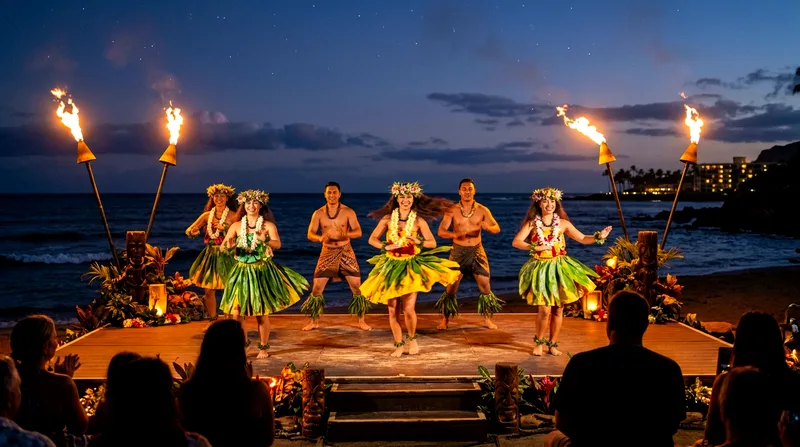
The Ha Breath of Life show is the center's signature evening performance — a staged narrative following a young man's life journey, with fire performance, drumming, and dance representing different Pacific Island cultures. It runs in the amphitheater after the dinner seating and is genuinely the highlight for most visitors, including people who normally find staged cultural shows cheesy.
It is not included with basic daytime admission. You need a package tier that specifically adds the evening show, and seating does vary — Ohana Club and premium tiers get reserved sections closer to the stage, while mid-tier packages get general admission seating that fills up if you arrive late from dinner. If seeing this show is your main reason for going, don't gamble on basic admission plus an on-site upgrade; confirm show inclusion when you book online.
Luau, Show and Transport Add-Ons
Beyond the core tiers, the two add-ons most people weigh are dining format and transportation — and they interact with each other more than you'd expect. If you're taking the shuttle from Waikiki, your return time is fixed by the bus schedule, which affects how much time you actually get at dinner and the show. Self-driving gives you flexibility but adds the stress of North Shore traffic on the return leg, particularly after an evening event when everyone leaves at once.
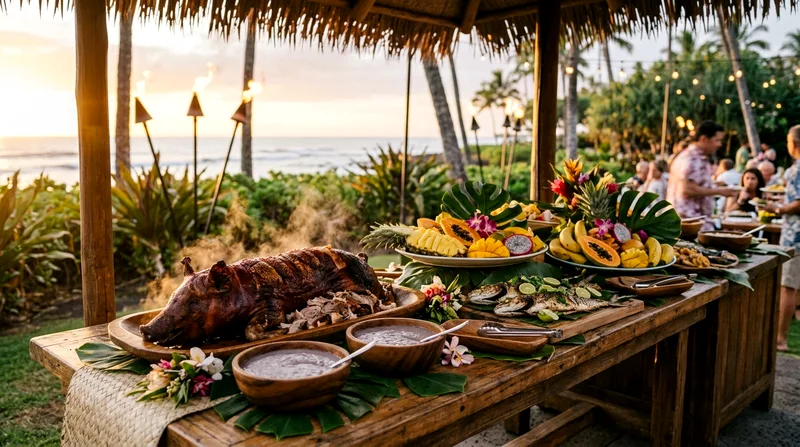
The Polynesian Cultural Center luau experience — whether branded as the Ali'i Luau or folded into a package name — is a buffet or plated dinner featuring kalua pork, poi, and similar island dishes, served before the evening show. It's not quite the same format as a standalone commercial luau elsewhere on Oahu, and comparing it to, say, a luau on Maui or a resort luau in Waikiki isn't entirely fair — this one is paired with the broader cultural park experience rather than being a standalone evening.
Dining options by package
Lower tiers often skip a sit-down dinner entirely, leaving you to buy food court-style meals on-site, which is a reasonable budget option if you're not fussed about a luau-style meal. Mid-tier packages generally include the buffet-style luau dinner. The Ohana Club tier typically upgrades to a more structured, sometimes plated dinner experience with better seating proximity to the stage.
If anyone in your group has dietary restrictions, check this before buying — buffet-style service at the mid-tier is usually easier to navigate for allergies than a set plated menu, simply because you can see and choose dishes rather than relying on substitutions.
Getting there from Waikiki
The Polynesian Cultural Center from Waikiki is roughly a 60 to 90 minute drive one-way, longer with traffic, via the H-3 or the Kamehameha Highway route around the island's east side. The center offers round-trip shuttle packages departing from Waikiki hotels, which many families and senior travelers prefer over navigating rental car logistics and parking after dark.
If you're comparing this to a rental car, factor in that a shuttle ties your whole day to its schedule — you can't linger at Kualoa Ranch or stop at a North Shore shrimp truck on the way. Self-driving costs more in flexibility planning but less in money for a family that already has a car. Either way, allow a full day — this isn't a half-day stop like Diamond Head or the Dole Plantation.
Where and How to Buy Tickets
Buy directly whenever possible. The official site, ticketing.polynesia.com, is the most reliable source for current package names, inclusions, and prices, and it's where cancellation and date-change policies are clearly stated. Third-party resellers and bundled city-pass products can look like better deals, but they sometimes bundle an older package structure or exclude the evening show without saying so clearly on the listing page.
Official booking channel and reservations
Reservations are generally required in advance, especially for the dinner-and-show packages — this isn't a walk-up attraction where you can decide at 4pm to catch the evening show. Booking through the official ticketing platform lets you select your package tier, add transport, and in many cases choose a preferred show seating time. Given that the center is closed on Sundays, double-check the calendar when selecting your visit date, particularly if you're building a tight Oahu itinerary around a cruise port day or a flight connection.
Discounts, resellers and policies to check
Kama'aina rates (discounted pricing for Hawaii residents) and military discounts are commonly available but require proof of eligibility at check-in, and they're not something a visiting tourist can access. For everyone else, legitimate polynesian cultural center discount tickets sometimes show up through bundled attraction passes like GoCity, which can be worth it only if you're also using several other GoCity-covered attractions on the same Oahu trip — buying it solely for this one center rarely saves money once you run the math.
Before buying from any reseller, check the cancellation window, whether the evening show is explicitly named in the inclusions, and whether transport is round-trip or one-way. Read a few recent TripAdvisor reviews filtered by package type, not just overall rating — people are often specific about which tier they bought and whether it matched expectations.
Which Ticket Is Worth It for You
There's no single right answer, but there are wrong ones for certain travelers. Buying the top-tier Ohana Club package for a family with toddlers is usually wasted money — reserved seating and a plated dinner don't matter much to a three-year-old who wants to run around the canoe waterways. Buying basic admission only, for someone whose main interest is the Ha Breath of Life show, is the opposite mistake.
Families, couples and solo travelers
Families get the most value from a mid-tier package that includes the luau dinner and evening show without the VIP upgrade — kids are engaged by the villages during the day and the show is visually impressive enough to hold their attention at night. Couples looking for a date-style evening should consider the Ohana Club tier, since the reserved seating and dinner format feel more like an event. Solo travelers can comfortably do basic admission plus the standalone show ticket if available, skipping the dinner to save money and eat in Waikiki instead — though check if the show is sold separately from dinner packages, since this isn't always offered.
Budget visitors and repeat visitors
If you're genuinely budget-constrained, basic daytime admission plus a food-court meal is a legitimate way to see the villages without the dinner-and-show upcharge — just accept you're skipping the center's best-known evening performance. Repeat visitors who've already seen Ha Breath of Life sometimes return for basic admission alone, treating it as a shorter cultural stop rather than a full-day event, which is a reasonable way to revisit specific villages without paying for a show you've already watched twice.
Frequently asked questions
What packages are available at the Polynesian Cultural Center?
Typically there's a basic daytime admission tier, one or two mid-tier packages that add the luau dinner and Ha Breath of Life show, and a premium Ohana Club tier with reserved seating and an upgraded dinner. Exact package names shift periodically, so check the current lineup on the official ticketing site before comparing prices.
What is included in each ticket tier?
Basic admission covers the six villages, canoe pageant, and daytime demonstrations only. Mid-tier packages add a luau-style dinner and the evening show. The top Ohana Club tier adds reserved seating and a more elaborate dinner setting. Transport from Waikiki is usually a separate add-on at any tier.
Do you need advance reservations for the Polynesian Cultural Center?
Yes, advance booking is strongly recommended, especially for dinner-and-show packages, since seating and meal counts are planned ahead. The center is also closed on Sundays, so check the calendar when selecting a visit date, particularly around holidays or peak season.
How can you get discounted Polynesian Cultural Center tickets?
Kama'aina rates apply to verified Hawaii residents and military discounts to active service members and veterans, both requiring ID at check-in. Visitors might find savings through bundled city passes like GoCity if visiting multiple Oahu attractions, but always confirm the show and dinner are explicitly included before buying through a reseller.
Is the Ha Breath of Life show included with admission?
No — basic daytime admission does not include the Ha Breath of Life show. You need a package tier that specifically lists the evening show as included, typically the mid-tier dinner packages or the Ohana Club tier. Confirm this inclusion at checkout rather than assuming it.