Compare the best luau in Oahu side by side on imu feast quality, show authenticity, transport and family value, so you can pick the right night out.
Which Oahu Luau Suits Which Traveler
There are roughly a dozen regularly running luau on Oahu, and the honest answer to "which one should I book" depends more on who you're traveling with than on which one has the prettiest website. A couple staying in Waikiki without a rental car has different needs than a family of five based near Ko Olina with two cranky kids and a stroller. Trying to force the wrong luau into your itinerary — say, driving ninety minutes each way to the North Shore after a full beach day — is the single most common regret travelers report with these events.
The short version: if you're staying in Waikiki and want zero logistics, a Waikiki beachfront luau wins. If you want the deepest cultural programming and don't mind a half-day commitment, the Polynesian Cultural Center in Laie is the benchmark. If you want a classic sunset-on-the-sand feel with room to roam, Paradise Cove Luau on the Ko Olina side of the island delivers that, and Toa Luau at Kualoa Ranch gives you a dramatic valley backdrop with a smaller, more boutique crowd.
None of these are "bad," but they're built for different nights out. Treat this less like ranking and more like matching — the right match based on where you sleep, how you travel, and whether you have kids under eight will matter more than a half-star difference in a review score.
Families and Large Groups
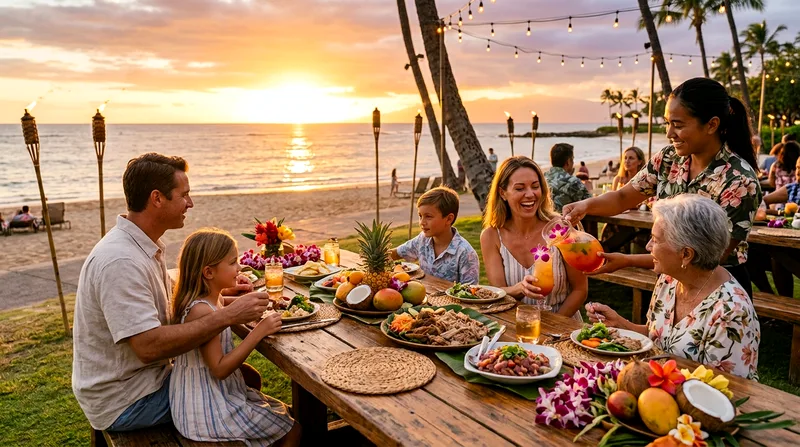
Families do best at Paradise Cove Luau or Chief's Luau, both of which build in pre-show games, craft stations, and enough open space that kids under ten aren't sitting still for three hours. Paradise Cove in particular runs beach games and canoe rides before the meal, which buys you time to let children burn energy before the formal show starts. Avoid tight, theater-style seating venues with younger kids — a cramped indoor-style setup makes a restless five-year-old a much bigger problem than it needs to be. If your family is staying at Disney's Aulani Resort in Ko Olina, Paradise Cove is a short drive away and genuinely the path of least resistance.
Culture Seekers and Couples
If cultural depth matters more to you than convenience, the Polynesian Cultural Center is hard to beat — it's a half-day or full-day experience built around six Pacific island villages before the evening show, not just a dinner-and-dance add-on. Couples who want romance over education tend to prefer Germaine's Luau or Ka Moana Luau, both known for a more relaxed, beach-casual vibe with real sand underfoot rather than a built stage. Toa Luau splits the difference nicely: it's set against Kualoa Ranch's mountains, feels less commercial than the big Waikiki operations, and suits couples who want scenery as much as ceremony.
Oahu Luau Types Compared
Oahu's luau scene splits cleanly into three geographic clusters, and that geography drives almost everything else — price tier, crowd size, and how late your night runs. Waikiki-based luaus are the most convenient and the most commercial. North Shore and windward options like Toa Luau and the Polynesian Cultural Center lean more cultural and scenic but demand a real transport commitment. Leeward coast luaus near Ko Olina, including Paradise Cove, sit in between: a proper sunset-on-the-beach setting with manageable drive times from Waikiki, usually 45 minutes to an hour each way.
Paradise Cove and Toa Luau score highest overall, but your base location on the island should still decide which one you book.
Best luau in Oahu compared by food, show, transport and family value
| Luau | Location | Food Score | Show Authenticity | Transport Ease | Family Value |
|---|---|---|---|---|---|
| Paradise Cove Luau | Ko Olina (leeward) | Strong | Good, broad Polynesian revue | Shuttle or 45-min drive | Excellent |
| Toa Luau | Kualoa Ranch (windward) | Strong | Very good, smaller and intimate | Shuttle or 60-min drive | Good |
| Polynesian Cultural Center | Laie (North Shore) | Good | Excellent, most in-depth | Shuttle or 60-90 min drive | Excellent |
| Germaine's Luau | Kapolei (leeward) | Good | Good, casual beach style | Shuttle or 45-min drive | Good |
| Chief's Luau | Waikiki area | Moderate | Moderate, condensed show | Walkable or short shuttle | Good |
| Ka Moana Luau | Honolulu/Waikiki area | Moderate | Good, intimate setting | Walkable or short shuttle | Moderate |
Scores reflect typical traveler feedback patterns, not fixed ratings; check current reviews and itineraries before booking since programming changes seasonally.
Waikiki vs North Shore vs Leeward Locations
A Waikiki luau, often staged near a hotel pool deck or beachfront lawn, trims your travel time to zero but usually means a smaller patch of sand and a more condensed program — don't expect the sprawling grounds you'd get at Paradise Cove. North Shore and windward options, including Toa Luau at Kualoa Ranch and the Polynesian Cultural Center near Laie, trade convenience for scale and scenery; you're looking at roughly 60 to 90 minutes each way from Waikiki by car or shuttle. Leeward luaus near Ko Olina split the difference — Paradise Cove's oceanfront grounds are considerably larger than most Waikiki venues, and the drive from Waikiki runs about 45 minutes in light traffic, longer during Friday rush hour.
My honest take: skip the pure convenience play unless you genuinely can't commit to a longer evening. A Waikiki luau is fine for a last-minute decision on your final night, but the North Shore and leeward venues consistently deliver the more memorable show and feast, simply because they have more physical space to work with.
Transport Options and Logistics
Most mid-range and premium luau packages include round-trip shuttle service from major Waikiki hotels, and for the North Shore or Ko Olina venues, I'd call that shuttle close to essential rather than optional. Parking at Paradise Cove and the Polynesian Cultural Center is available but can mean a longer walk to the entrance than you'd expect, which matters if you're traveling with grandparents or anyone with mobility concerns. If you're renting a car anyway and plan to explore Waimea Valley or the North Shore beaches earlier that day, self-driving to Toa Luau or the Polynesian Cultural Center makes sense and saves the shuttle fee. Otherwise, pay for the shuttle — Oahu traffic on the Kamehameha Highway and H-1 at dusk is unpredictable, and missing the start of the imu ceremony because you're stuck in traffic is a bad way to spend $150 a head.
Food and Imu Feast Quality
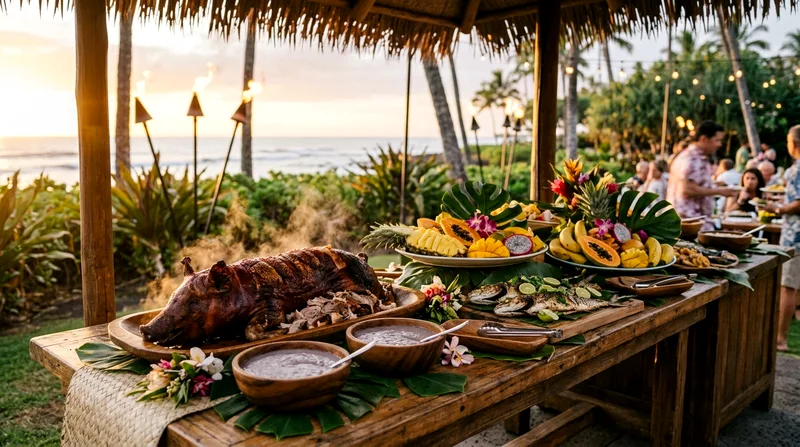
The imu — the underground pit where pork is slow-roasted wrapped in banana and ti leaves — is the centerpiece of nearly every Oahu luau, and the ceremony of uncovering it (the imu kapuai) is genuinely worth arriving early for. Not every venue does this ceremony with the same care. Paradise Cove and Toa Luau both run a visible, well-narrated imu unearthing as part of the pre-dinner program, while some of the smaller Waikiki-based events skip the ceremony and simply serve the pork already carved, which feels like missing the point of the whole event.
Buffet quality varies more than operators like to admit. Expect kalua pork, poi, lomi salmon, haupia (coconut pudding), chicken long rice, and some form of fresh pineapple at almost every venue — this is the standard Hawaiian plate lineup across the island. Where venues differentiate is in execution: freshly made poi versus the packaged version, and whether sides taste reheated after sitting in buffet trays for two hours. Reviews consistently flag Paradise Cove and Germaine's for better-than-average buffet freshness, while some of the larger-capacity shows struggle to keep food quality consistent once they're serving 500-plus guests a night.
Traditional Dishes and Imu Ceremony
If the imu ceremony matters to you, ask directly when booking whether it's part of the included program or an optional add-on — some venues now treat it as a premium-tier extra rather than a standard part of the evening. Beyond the pork, look for haupia made with real coconut milk rather than a pudding mix, and lomi salmon that's been mixed fresh rather than sitting pre-dressed. None of this is deal-breaking if you're there mainly for the show, but if the food is your priority, it's worth reading the most recent reviews rather than trusting the marketing photos, since actual nightly execution can lag behind the website's description.
Dietary Needs and Drink Packages
Most of the larger luaus — Paradise Cove, the Polynesian Cultural Center, Toa Luau — can accommodate vegetarian, gluten-free, and basic allergy requests if you flag them at least 48 hours ahead; smaller venues may have far more limited substitutions, sometimes just a plain grilled chicken or vegetable plate. Drink packages typically separate into a non-alcoholic tier (included or low-cost add-on) and a mai tai or beer-and-wine package priced as a mid-range add-on. Budget-tier general admission often includes only one drink voucher, while premium seating tiers usually bundle unlimited drinks — read the fine print, because "open bar" at some venues means beer and wine only, not full cocktails.
Show Authenticity and Cultural Activities
"Authentic luau Oahu" gets thrown around loosely in marketing copy, so it helps to know what actually signals a more grounded cultural program versus a tourist revue with Hawaiian music playing over it. The Polynesian Cultural Center sets the bar here because its performers are largely Pacific Islander students from Brigham Young University–Hawaii representing their home islands — Samoa, Tonga, Fiji, Tahiti, Hawaii, the Marquesas — and the storytelling ties directly to specific village traditions rather than a generalized "Polynesian" blend. Toa Luau, run at Kualoa Ranch with involvement from local Hawaiian cultural practitioners, also leans toward storytelling over spectacle, with narration that explains the meaning behind each dance rather than just performing it.
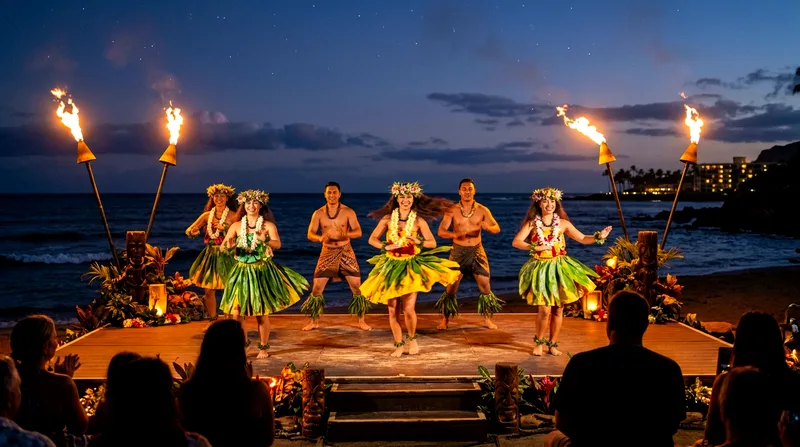
Paradise Cove and Germaine's lean more toward broad entertainment — energetic, well-produced, crowd-pleasing, but closer to a variety show pulling from across the Pacific than a single-culture deep dive. That's not necessarily worse. If you want a fun night with good production values and don't need a cultural seminar, Paradise Cove's show is genuinely well-staged and keeps energy high for a full two hours.
Fire Knife and Hula Performance
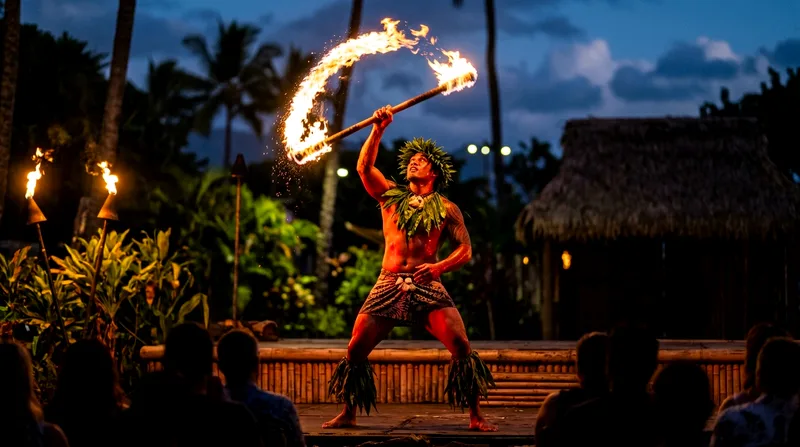
Fire knife dancing (originally a Samoan tradition, not Hawaiian) is the closing highlight at nearly every major Oahu luau, and it's genuinely impressive regardless of venue — the skill level required doesn't vary much between shows. Hula is where quality differs more. Look for shows that distinguish between ancient hula kahiko (slower, chant-accompanied, more ceremonial) and modern hula auana (upbeat, often with ukulele and steel guitar) — venues that only perform the modern style are giving you a fraction of the tradition. The Polynesian Cultural Center and Toa Luau both include kahiko-style segments; some of the smaller Waikiki shows skip straight to the crowd-pleasing modern numbers.
Hands-On Activities and Crowd Size
Pre-show activities — lei making, ukulele lessons, spear throwing demonstrations, canoe rides — are where the bigger venues earn their ticket price. Paradise Cove runs a lively pre-show beach games segment that's genuinely fun for groups. Crowd size is the trade-off: Paradise Cove and the Polynesian Cultural Center can seat several hundred guests per night, which means more energy but less intimacy. Ka Moana Luau and Toa Luau run noticeably smaller, so if you dislike big tour-bus crowds, those are the better picks even though you'll pay a bit more per person for the smaller scale.
What to Check Before Booking Tickets
Oahu luau tickets are tiered almost everywhere — general admission, preferred/table seating, and a premium front-row or VIP tier that usually includes table service, a better view of the stage, and sometimes a lei greeting or photo package. The price gap between general admission and premium can roughly double the ticket cost, and whether that's worth it depends entirely on how much you care about sightlines. If you've got a party of six and want to sit together, book the table tier rather than general admission, where seating can be assigned in rows rather than grouped tables.
Inclusions, Seating Tiers and Cancellation
Read the cancellation policy before you pay — most Oahu luaus require 24 to 72 hours' notice for a full refund, and weather cancellations (these are mostly outdoor events) are usually rescheduled rather than refunded outright. Confirm whether your ticket price includes the shuttle, since some listings show a lower headline price that excludes transport, then add a separate shuttle fee at checkout. Also check whether the imu ceremony, lei greeting, and photo opportunities are included or sold as add-ons — this varies more between venues than most buyers expect.
Direct vs Third-Party Booking
Booking directly through the luau's own site sometimes gets you better customer service if something goes wrong, but third-party booking platforms often show more recent reviews and let you compare several luaus side by side before committing — useful when you're deciding between, say, Paradise Cove and Chief's Luau for the same night. Either way, compare current prices and reviews before you book rather than relying on this guide's relative rankings, since seating tiers and inclusions shift seasonally.
When to Book Your Oahu Luau
Oahu luaus sell out, especially the popular Friday and Saturday night slots at Paradise Cove and the Polynesian Cultural Center during peak travel months (roughly June through August, and the two weeks around Christmas and New Year). A sold-out date doesn't just mean no ticket — it often means you're pushed toward a less convenient night that clashes with the rest of your itinerary.
Seasonal Demand and Booking Lead Time
If you're traveling in peak season or over a holiday week, book your luau two to four weeks ahead, particularly for premium seating tiers, which sell out faster than general admission. Shoulder season (April–May, September–October) is more forgiving — booking a week ahead is usually fine. If your trip includes a day at Waimea Valley or a stop at Aloha Tower downtown, pair those with a North Shore or Ko Olina luau on the same day to avoid doubling up on long drives across the island.
Frequently asked questions
Which luau is best in Oahu?
There's no single best — Paradise Cove Luau is the strongest all-rounder for food, show production, and family value, while Toa Luau and the Polynesian Cultural Center lead on cultural authenticity. Choose based on your base location and group type rather than a single "best" label.
What is the most authentic luau on Oahu?
The Polynesian Cultural Center is generally considered the most culturally grounded, since its performers represent specific Pacific Island traditions tied to actual villages on-site. Toa Luau at Kualoa Ranch is a close second, with storytelling-driven narration and a smaller, less commercial crowd.
Which luau is best for families?
Paradise Cove Luau and Chief's Luau both build in pre-show games and activities that keep younger kids occupied before the formal dinner and show begin. Paradise Cove's beach games and open grounds make it the easier pick for families staying near Ko Olina or Disney's Aulani Resort.
What is included in an Oahu luau?
Typical inclusions are a buffet or plated Hawaiian feast (kalua pork, poi, lomi salmon, haupia), a cultural show with hula and fire knife dancing, and often a lei greeting or welcome drink. Shuttle transport, premium seating, and alcoholic drink packages are usually separate, tiered add-ons — confirm what's bundled before you pay.
How do I get to luaus in Oahu?
Most mid-range and premium tickets include round-trip shuttle service from major Waikiki hotels, which is worth paying for if you're visiting a North Shore or Ko Olina venue. If you're already renting a car, self-driving works fine for Toa Luau or the Polynesian Cultural Center, but budget 60 to 90 minutes each way and check parking distance from the entrance.