How to get from island to island in Hawaii: inter-island flights, limited ferries, airports and booking tips explained for first-time and European visitors.
Your Options for Island Hopping in Hawaii
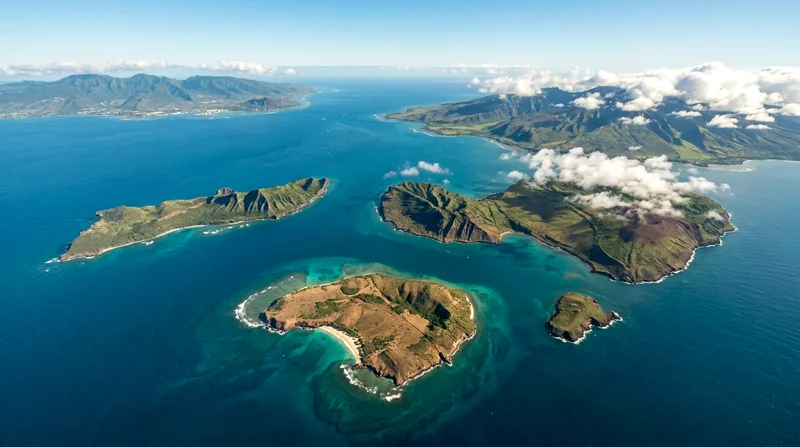
Hawaii is not one island — it's an archipelago of eight main islands, and there is no bridge, causeway, or rail link connecting any of them. If you're picturing a scenic coastal drive from Oahu to Maui, that doesn't exist. The Pacific Ocean sits between every island, and getting from one to another means either flying or, in one very narrow case, taking a boat. For anyone used to European travel — hopping between countries by train or budget flight in an hour — this takes some mental recalibration.
The good news is that Hawaii's inter-island flight network is dense, frequent, and genuinely easy once you understand how it works. Flights between the main islands take 30 to 50 minutes in the air, and several depart every hour during the day from Honolulu. It's closer in practice to a subway system than a long-haul flight — you check in, go through a short security line, and board a plane the size of a regional jet or smaller.
I'd avoid treating inter-island travel as an afterthought, though. It's one more line item in your budget and one more block of time in your itinerary, and if you're trying to see Oahu, Maui, Kauai, and the Big Island in ten days, you'll spend a disproportionate amount of that trip in airport queues rather than on beaches or trails. Two islands in ten days is a far better ratio than four.
Inter-Island Flights Explained
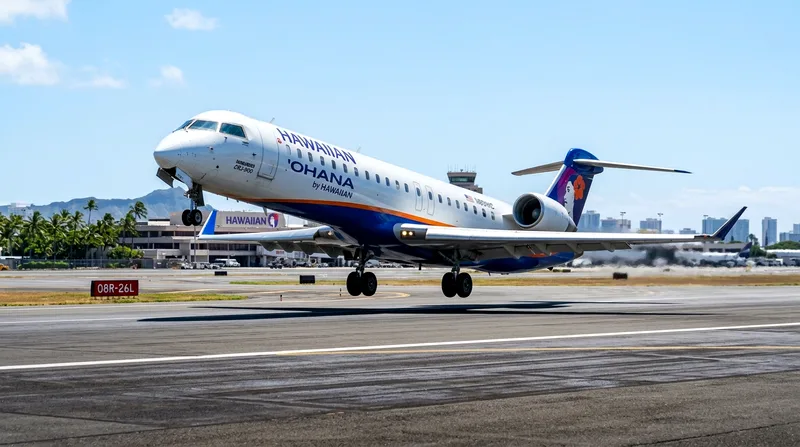
Inter-island flights in Hawaii are short-haul hops, mostly flown with Boeing 717s or similar narrow-body jets, occasionally smaller turboprops to the less-visited islands like Molokai and Lanai. Hawaiian Airlines operates the largest network and is the closest thing to a legacy inter-island carrier, with routes connecting Honolulu to every major airport in the state. Southwest Airlines also flies several inter-island routes, which has helped keep fares competitive over the past several years compared to when Hawaiian essentially had the market to itself.
Don't expect a European low-cost-carrier experience exactly — there's no assigned seating drama or hour-long boarding queue, but baggage fees and basic economy restrictions apply similarly to US domestic flying generally. If you're connecting from an international flight into Honolulu and then straight on to Maui or Kona, build in at least 90 minutes between flights, since you may need to collect checked bags and recheck them, even if they're tagged through in some itineraries.
Are There Ferries Between Hawaiian Islands?
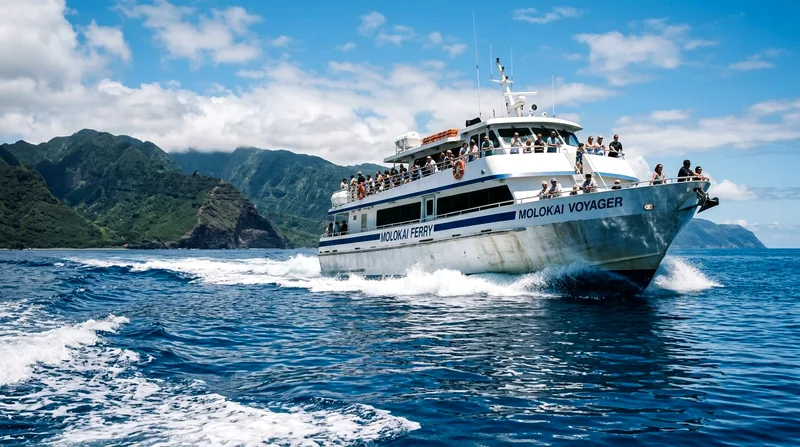
This is the question that trips up most European visitors, because inter-island ferries feel like they should exist — Hawaii looks, on a map, like it should work the way the Greek islands or Indonesia's inter-island boats do. It doesn't. There is currently no scheduled passenger ferry connecting the main Hawaiian Islands for general transport use. Past attempts, including a car-and-passenger ferry between Oahu and Maui, were shut down over a decade ago due to environmental concerns and opposition from Maui and Kauai communities worried about invasive species and traffic impact.
Flying beats every other option on speed and reliability for nearly all inter-island routes in Hawaii.
Hawaii island-to-island travel methods compared: flights, ferry and tours
| Method | Typical Time | Islands Served | Best For |
|---|---|---|---|
| Inter-island flight | 35-50 min | All main islands via Honolulu hub | Changing base, most itineraries |
| Maui-Lanai ferry | approx. 45 min | Only Maui (Lahaina) to Lanai | Lanai day trip, no car needed |
| Helicopter tour | 20-60 min | Scenic routes, not point-to-point transport | Sightseeing, special occasions |
| Organized day-trip package | Half day to full day | Oahu, Maui, Molokai combos common | One-off excursions, no hotel change |
| Private boat charter | Several hours | Limited, weather-dependent | Rare, not practical transport |
Typical figures only; flight schedules, ferry sailings and tour availability change, so check current options before booking.
Hawaii Airports and Getting to Your Hotel
Each main island has its own airport, and knowing which one you're flying into matters more than first-time visitors expect — fly into the wrong one and you could add an hour or more of driving to reach your hotel. Honolulu's Daniel K. Inouye International Airport (HNL) on Oahu is the state's main international gateway and inter-island hub; nearly everyone arriving from Europe lands here first, often via a connection on the US mainland or occasionally direct depending on your origin city.
Airport size and setup vary a lot. Honolulu is a full international airport with multiple terminals and a 10-15 minute walk (or shuttle ride) between the inter-island and international terminals — don't underestimate this if you have a tight connection. Kona and Lihue, by contrast, are small, open-air, almost resort-like airports where you can be curbside within minutes of landing. That contrast alone tells you something about the pace of the outer islands versus Oahu.
Planning a Multi-Island Trip
The biggest planning mistake I see is treating Hawaii like a single destination with interchangeable parts. Oahu, Maui, Kauai, and the Big Island each have a genuinely different character — Oahu is urban and historic, Kauai is quiet and dramatic, the Big Island has active volcanoes and black sand, Maui sits somewhere in the middle with resort polish and good hiking. Trying to see all four in under two weeks means you'll spend several of those days on travel days rather than at your destination.
Island Hopping Tips for European Visitors
If you're coming from Europe, the scale of Hawaii's "short" flights needs resetting. A 40-minute inter-island hop here is roughly equivalent to a train ride between two mid-sized European cities — except there's no alternative mode, and no rail option to fall back on if you'd rather watch the coastline go by. Unlike island hopping in the Mediterranean, where ferries are often the cheaper and more scenic choice, in Hawaii the flight is almost always both faster and, once you include ferry wait times elsewhere, not meaningfully more expensive.
Frequently asked questions
How easy is it to get from island to island in Hawaii?
It's straightforward once you know the system: frequent short flights, mostly routed through Honolulu, take 35-50 minutes. There's no road or rail link between islands, so flying is the standard method for nearly every route except the limited Maui-Lanai ferry.
Can you take a ferry between Hawaiian islands?
Only one scheduled option exists — a passenger ferry between Lahaina (Maui) and Manele Bay (Lanai), about 45 minutes each way with a few sailings daily. There's no ferry to Oahu, Kauai, the Big Island, or Molokai; flying is the only scheduled way to reach those.
How long does it take to fly between Hawaiian islands?
Most inter-island flights last 35 to 50 minutes in the air. Honolulu to Kahului (Maui) is among the shortest hops; Honolulu to Lihue (Kauai) or Hilo (Big Island) run slightly longer. Add time for security and boarding, as with any flight.
What is the cheapest way to travel between Hawaiian islands?
Scheduled inter-island flights on Hawaiian Airlines or Southwest are generally the cheapest and only practical option, since no ferry or bus network exists. Booking 4-8 weeks ahead and traveling with carry-on only (to skip checked bag fees) typically keeps costs down.
How far in advance should you book inter-island flights?
Four to eight weeks ahead usually gets reasonable fares; inter-island routes run frequently so last-minute booking is possible but pricier, especially around US summer and Christmas holidays when seats sell out on popular time slots.