Hawaii best island to visit? Compare Oahu, Maui, Kauai and the Big Island on crowds, effort, views and cost, then match your travel style to the right island.
The Main Hawaii Islands at a Glance
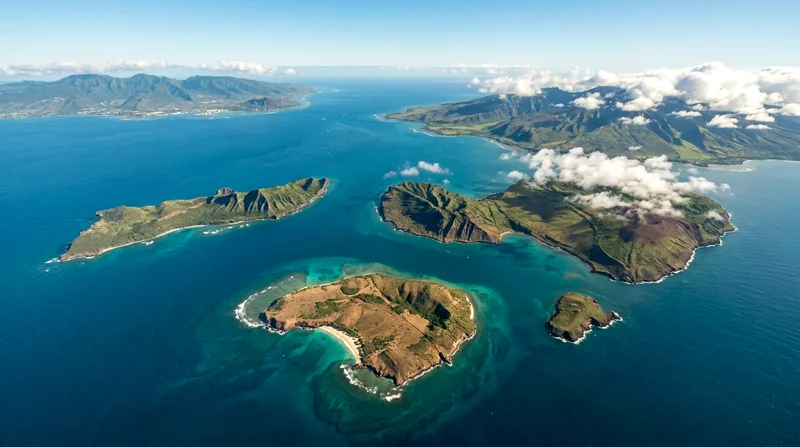
Asking "what's the best Hawaiian island" is a bit like asking which European city is best — Rome and Reykjavik aren't interchangeable, and neither are Oahu and the Big Island. Hawaii is made up of eight main islands, but visitors realistically choose between four: Oahu, Maui, Kauai, and the Big Island (officially Hawaii Island, renamed in guides to avoid confusing it with the state). Each has its own pace, cost level, and reason to exist on a trip.
Oahu is the state's hub — Honolulu, Waikiki, the airport most people fly into. Maui is the resort island, built around polished beach towns and the road to Hana. Kauai is the oldest and greenest of the four, dominated by the Napali Coast and a slower rhythm. The Big Island is the outlier: twice the landmass of all the others combined, with active volcanoes, black sand beaches, and snow-capped Mauna Kea in winter.
If you're coming from Europe or flying in from elsewhere in the world, know that inter-island flights are short — 30 to 50 minutes — but add up in cost and time at the airport. Treat each island as a near-standalone destination, the way you'd treat Bali versus Lombok, rather than assuming you can casually "see Hawaii" by island-hopping through all four in one week.
Hawaii island names and personalities
Locals and guidebooks use the island names loosely, so it helps to know them cold: Oahu ("The Gathering Place"), Maui ("The Valley Isle"), Kauai ("The Garden Isle"), and Hawaii Island, almost always called the Big Island to avoid confusion with the state name. Each nickname is accurate, not just marketing. Oahu really does gather most of the population and infrastructure — roughly two-thirds of the state's residents live there. Kauai really is green, with rainfall in some spots topping 400 inches a year on Mount Waialeale. The Big Island really is big, at over 4,000 square miles, with eleven of the world's thirteen climate zones.
This matters when you're picking an island because the personality isn't just branding — it dictates what you'll actually be doing. Oahu days involve traffic and city logistics. Big Island days involve long drives between vastly different landscapes. Plan around the personality, not the postcard.
Lānaʻi and Molokaʻi: why they are side trips
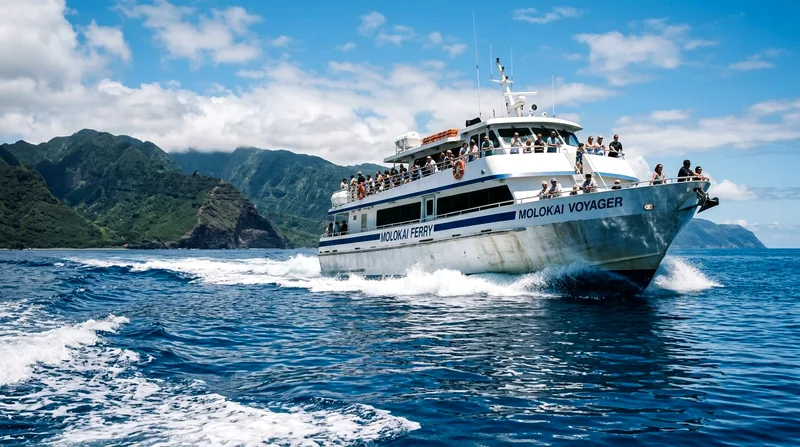
Lānaʻi and Molokaʻi are real, visitable islands, but they're not where first-time or even second-time visitors should base a trip. Lānaʻi has one small town (Lānaʻi City), a couple of luxury resorts, and very little else — it suits a day trip by ferry from Maui (about an hour each way from Lahaina) more than a standalone stay. Molokaʻi has almost no tourism infrastructure by design; locals have actively resisted large-scale development, and that's worth respecting rather than treating as an inconvenience.
Both islands work best as a one- or two-day add-on from Maui, not as your main base. If you're drawn to them for their quiet, you'll get 80% of that same remoteness on rural Kauai or the Hamakua Coast of the Big Island, with far more places to eat and sleep.
Head-to-Head: Time, Cost, Effort and Crowds
Here's where the decision usually gets made. Most travelers have a fixed number of days and a budget, and the four islands differ more than people expect on both fronts. Oahu is the cheapest to reach and get around, thanks to direct flights from more international and mainland US cities and a real public bus system. Maui and the Big Island sit in the middle, with resort-heavy pricing that can rival Cancun's all-inclusive zones or Bora Bora's overwater bungalow stretch, depending on where you stay. Kauai is small enough to drive end to end in under two hours, but accommodation there skews pricier per square foot because supply is limited — there's no Waikiki-style strip of mid-range hotels.
Crowds track tourism infrastructure. Waikiki Beach on Oahu can feel as busy as a resort strip in Puerto Rico's Condado district, while Kauai's north shore beaches, even in peak season, rarely feel packed because parking and trail permits throttle numbers naturally (Haena State Park, gateway to the Kalalau Trail, requires a reservation and caps daily visitors).
If effort tolerance is your deciding factor: Oahu requires the least driving and planning. The Big Island requires the most, simply because its worth seeing sites — Hawaii Volcanoes National Park, Mauna Kea, the Kona coast, Waipio Valley — are hours apart from each other.
Oahu is cheapest and easiest, Kauai wins on scenery and quiet, and the Big Island demands the most driving for the most variety.
Hawaii best island to visit — Oahu, Maui, Kauai and Big Island compared
| Island | Crowds | Cost Level | Effort to Get Around | Best For |
|---|---|---|---|---|
| Oahu | High | Medium | Low | First-timers, nightlife, solo travelers |
| Maui | Medium-High | High | Medium | Couples, families, resort stays |
| Kauai | Low-Medium | High | Low-Medium | Scenery, hiking, quiet couples trips |
| Big Island | Low-Medium | Medium-High | High | Adventure, volcanoes, variety |
Ratings are relative to each other, not absolute; actual prices and crowd levels shift by season, so check current conditions before you book.
Views, beaches and scenery compared
Kauai wins on raw scenery for most people — the Napali Coast, Waimea Canyon (genuinely compared to a smaller Grand Canyon), and the Hanalei Valley are hard to beat anywhere in the Pacific, Fiji and Tahiti included. Maui's Road to Hana delivers waterfalls and jungle switchbacks over roughly 64 miles and 4-6 hours of driving one way, though the traffic of rental cars doing the same route daily takes some shine off it.
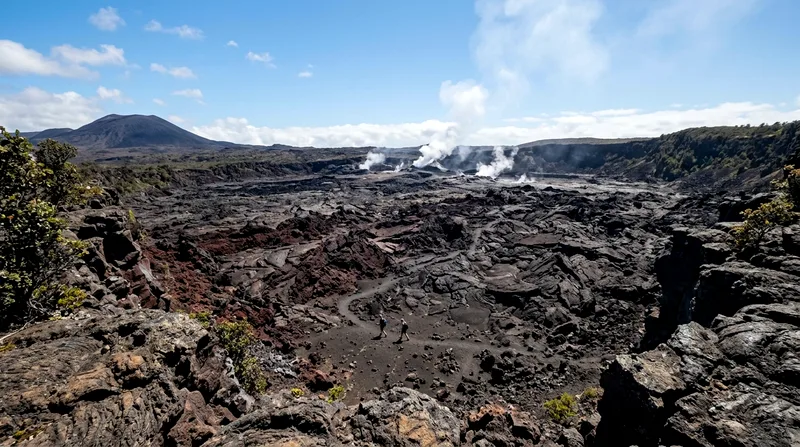
The Big Island has the most varied scenery: lava fields, snow on Mauna Kea in winter, green Hamakua cliffs, and black sand beaches like Punaluu. Oahu's scenery is good but secondary to its city and surf culture — the North Shore's winter waves and Diamond Head's crater views are the standouts, not sweeping wilderness.
Beach quality is genuinely close between all four, so don't let that alone decide it — Kailua Beach on Oahu, Hanalei Bay on Kauai, Wailea on Maui, and Hapuna on the Big Island are all legitimately excellent, which is a different question from which island as a whole suits you.
Getting around and island-hopping logistics
Renting a car is close to mandatory on every island except for short Oahu trips that stay in Waikiki. Budget at least half a day lost to airport transfers and rental pickup on arrival, and remember that inter-island flights run roughly 30-50 minutes but add TSA-style security time and often a layover through Honolulu if you're not flying direct. Island-hopping two islands in a 7-day trip is reasonable; trying for three or four turns into a logistics exercise, not a vacation.
Oahu vs Maui: The Closest Matchup
Oahu vs Maui is the comparison most people actually need, since both show up on nearly every "best Hawaiian island" shortlist and both have direct flights from most major US and some international gateways. The honest answer is that they serve different trip types. Oahu is a city-and-beach trip with day-trip nature layered on top — think Honolulu's museums, Pearl Harbor, the Pali Lookout, and surf culture all within an hour's drive. Maui is a nature-and-resort trip with a livelier town (Lahaina's rebuilding after the 2023 wildfires has changed its character, and visitors should check current conditions and respect areas still recovering) layered on top.
Budget-wise, Oahu's mid-range hotel and condo scene in Waikiki keeps average costs more comparable to Puerto Rico's San Juan than to Maui's Wailea or Kaanapali resort corridors, which run closer to Bora Bora pricing for beachfront properties. If cost is a real constraint, Oahu stretches further.
Nightlife, dining and ease of travel
Oahu wins decisively here. Honolulu has a real nightlife scene, a bigger range of cuisines (including some of the best Japanese and Korean food in the US outside the mainland's largest cities), and a public TheBus system that actually gets you places for a few dollars a ride. Maui's dining is good but resort-centric and pricier on average; nightlife largely means a nice dinner and a sunset, not a night out. If you want to walk out of your hotel and have options, Oahu is built for that in a way Maui simply isn't.
Beaches, tours and relaxed pace
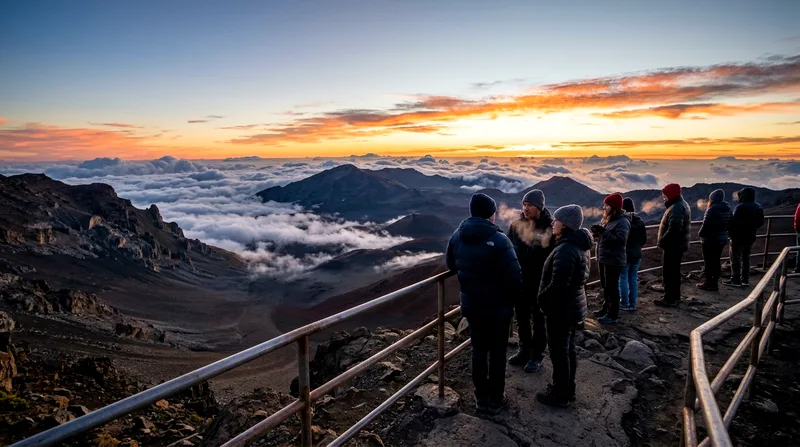
Maui pulls ahead on relaxed beach time and organized tours — whale watching (December through April, humpbacks migrate through the Auau Channel), snorkeling trips to Molokini Crater, and sunrise drives up Haleakala's 10,000-foot summit are polished, frequent, and well-reviewed as a category. Oahu has equivalents, but Maui's tourism infrastructure is more specifically built around slow, scenic days rather than city errands. If your idea of a good vacation day is one activity and a long lunch, Maui suits that better than Oahu does.
Best Island by Traveler Type
Matching yourself honestly to an island matters more than chasing whichever one ranks highest on a generic list. A 25-year-old solo traveler and a family of five with a toddler should not pick the same Hawaiian island, even though both might call it their "best Hawaiian island" afterward.
Solo travelers and couples
Solo travelers do best on Oahu, mainly for safety-in-numbers logistics — public transport, hostels and budget stays in Waikiki, and a steady flow of group tours and activities to join without needing your own car constantly. Couples split based on what kind of trip they want: Maui for a classic resort honeymoon with polished sunset dinners and spa days, Kauai for couples who'd rather hike to a waterfall than lie by a pool. Compared to Tahiti or Bora Bora, Kauai offers similar visual drama for a fraction of the flight time from the US mainland and noticeably lower overwater-bungalow-style costs, since Hawaii doesn't really do that format.
Families and seniors
Families with children generally do best on Maui or Oahu. Maui's resorts are set up for kids — swim programs, calmer beaches like Kaanapali, shorter drives between activities. Oahu works well for families who want museums, the Honolulu Zoo, and Pearl Harbor alongside beach time, plus it's the easiest island for a family with a tight budget. Seniors and travelers wanting less driving should lean Oahu or Maui over the Big Island, where distances between sights (sometimes 2+ hours each way) and higher elevations at Mauna Kea (altitude sickness risk above 9,000 feet) can be genuinely taxing. Kauai is walkable and calm but has fewer medical facilities outside Lihue, worth noting for anyone with health concerns.
Final Verdict: Which Island Should You Pick?
If you only take one thing from this comparison: there's no wrong Hawaiian island, only a mismatched one. Oahu is the best Hawaiian island for first-time visitors who want convenience, nightlife, and a workable budget — book it if this is your first trip and you're unsure where to start. Maui suits couples and families chasing a classic, well-organized resort vacation with beautiful but accessible nature on the side. Kauai rewards travelers who prioritize scenery and quiet over convenience and don't mind a higher price for fewer crowds. The Big Island is for travelers who want range — volcanoes, snow, lava fields, and coffee farms in one place — and don't mind long drives to get there.
Whichever island you land on, pair your flight decision with the island-specific tours and activities guides on this site — snorkeling and whale-watching options on Maui, hiking permits and boat tours on Kauai, volcano park tours on the Big Island, and Pearl Harbor or North Shore day trips on Oahu — so you're booking the right experience for the island you actually chose.
Frequently asked questions
What is the best Hawaiian island for first-time visitors?
Oahu is the best choice for most first-timers. It has the most direct flight options, the lowest overall costs, a working public bus system, and enough variety — city, beaches, history, surf culture — to fill a week without needing a rigid plan. Maui is a close second if you want more resort polish and less urban feel.
Which is better, Maui or Oahu?
Neither is objectively better — Oahu wins on cost, nightlife, and ease of travel; Maui wins on relaxed resort time, organized tours, and scenery like the Road to Hana. Pick Oahu for a city-and-beach trip on a tighter budget, and Maui for a slower, nature-and-resort-focused vacation.
Which Hawaiian island is best for families?
Maui and Oahu are the strongest picks. Maui's resorts are built around family amenities and calmer beaches like Kaanapali; Oahu adds museums, the zoo, and Pearl Harbor for older kids, plus shorter, cheaper flights for budget-conscious families.
Which Hawaiian island is best for couples?
Maui suits couples wanting a classic resort honeymoon with whale watching and Molokini snorkeling trips. Kauai suits couples who prefer hiking, waterfalls, and quiet beaches over poolside service — both beat the Big Island here, since its distances work against a relaxed couples trip.
Which Hawaiian island is best for adventure?
The Big Island, by a clear margin. It has active volcano access at Hawaii Volcanoes National Park, stargazing and snow at Mauna Kea's summit, black sand beaches, and some of the state's best diving and snorkeling around Kona — all within one island's driving distance, albeit a long one.