Hawaii tour prices explained: see what major tour types typically cost, where your money goes, and proven ways to save on activities without cutting quality.
Where Your Tour Money Goes in Hawaii
Sticker shock is real. A family of four pricing a Road to Hana van tour, a Pearl Harbor excursion, and a sunset catamaran can watch a week's activity budget hit $800–$1,200 before dinner reservations even enter the picture. First-time visitors often assume Hawaii tour prices are inflated for tourists. They're not padded the way a souvenir shop markup is — the cost structure is just different from mainland theme-park pricing or an all-inclusive Cancun resort package where activities are bundled into one upfront fee.
Hawaii tours are small-scale by necessity. There's no way to run a 500-person snorkel operation the way a cruise line runs onboard excursions; boats are capped by Coast Guard passenger limits, trails are capped by permit, and helicopters seat four to six paying passengers per flight. That scarcity keeps per-person costs higher than a comparable activity in Bali or Costa Rica, where labor and permitting costs are lower and operators can run larger groups.
Fuel is a genuine line item, not an excuse. A boat running from Lahaina to Molokini crater burns through diesel at a rate that matters when prices spike, and operators on Kauai's Na Pali Coast run longer routes with more exposure to swell, which means more wear on hulls and engines. Helicopter tours carry some of the highest per-minute costs of any Hawaii activity because aviation fuel, maintenance, and FAA-mandated inspection schedules are non-negotiable.
Permits, Fuel and Safety Costs
Most ocean and land tours in Hawaii operate under some combination of state Division of Boating and Ocean Recreation permits, Department of Land and Natural Resources access agreements, or National Park Service concessions — and those permits aren't cheap or unlimited. Haleakala sunrise tours, for example, require the National Park Service's separate online reservation on top of any tour booking, a detail some operators bury in the fine print. Captains and guides also need current certifications: USCG licensing for boat operators, wilderness first aid for hiking guides, and liability insurance that scales with activity risk. A volcano lava-viewing boat tour near Hilo carries higher insurance costs than a flat-water kayak trip in Kailua, and that difference shows up in the price you pay.
Hidden Fees and What Quotes Exclude
The quoted price rarely tells the whole story. Watch for state and county excise tax (around 4.7% general excise tax plus Hawaii's transient accommodations framework doesn't apply here, but activity tax does hit most bookings), fuel surcharges added during periods of high gas prices, gear rental fees quoted separately from the "base" tour price, and park entrance fees that some tours include and others don't. Snorkel gear, wetsuits, and underwater cameras are frequently optional add-ons that can tack on $15–$40 per person. Gratuity for guides and boat crew — typically 15–20% — is almost never built into the advertised number, and on a $200 helicopter tour for two, that's an extra $60–$80 you should budget for before you book.
Typical Hawaii Tour Price Ranges by Category
Broad tiers help more than exact numbers, since Hawaii tour prices shift with fuel costs, season, and which platform you're comparing. As a rough framework: snorkel and whale-watching boat tours generally run $60–$160 per person for a half-day trip; sunset catamaran sails with drinks and pupus often land in the $90–$150 range; luau dinner shows typically cost $130–$220 per person depending on seating tier and whether it's a resort luau or a smaller family-run one; helicopter tours start around $250 and climb past $500 for longer, doors-off routes; and full-day guided land tours (Road to Hana, volcano national park tours) usually fall between $150–$250 per person including transport and a guide.
These are relative tiers, not quotes — always check current prices when booking, since fuel surcharges and seasonal demand move the number by 10–20% in either direction.
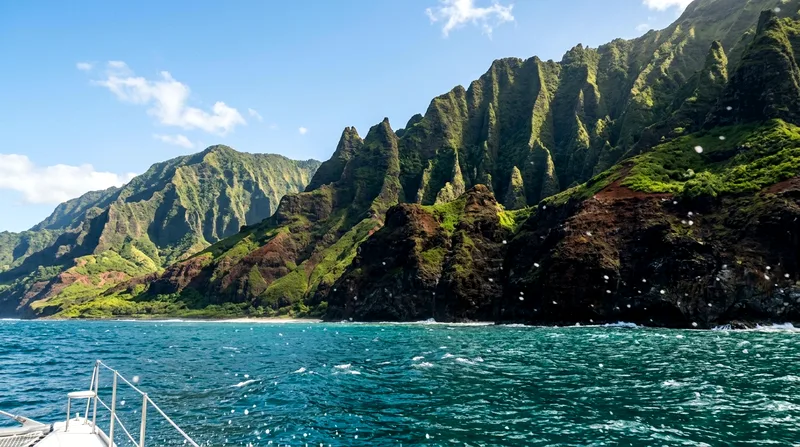
Helicopter and Na Pali boat tours sit at the top of the price scale, while shared snorkel trips and self-guided hikes anchor the budget end.
Hawaii tour prices by category: typical per-person cost ranges and what drives them
| Tour Type | Typical Price (per person) | Length | Main Cost Driver |
|---|---|---|---|
| Shared snorkel boat tour | $60–$160 | 3–5 hours | Boat capacity, fuel |
| Sunset catamaran sail | $90–$150 | 2–3 hours | Boat capacity, bar service |
| Luau dinner show | $130–$220 | 3–4 hours | Food, entertainment staff |
| Helicopter tour | $250–$500+ | 45–90 minutes | Aviation fuel, maintenance |
| Full-day land tour (Road to Hana, volcano) | $150–$250 | 8–12 hours | Guide time, vehicle, permits |
| Na Pali Coast boat tour (Kauai) | $170–$260 | 4–6 hours | Longer route, limited operators |
Ranges reflect typical market rates and vary by operator, season and fuel costs — always check current prices when booking.
Activity, Escorted and Package Tours
There's a real difference between a single-day activity tour, a multi-day escorted tour, and a packaged multi-island itinerary, and conflating them is where a lot of first-time planners get their budgeting wrong. A single activity — a snorkel trip or a zipline afternoon — is a one-off cost. Multi-day escorted tours from companies like Tauck, Perillo Tours, or Go Ahead Tours bundle flights, inter-island transport, hotels, and a chunk of daily activities into one price, often $3,000–$5,500 per person for a 7–10 night multi-island itinerary. That's not cheap, but compare it to building the same itinerary piecemeal with inter-island flights, three hotel changes, and a dozen separate activity bookings, and the escorted version can be competitive — particularly for senior travelers or first-time visitors who value one point of contact over maximum flexibility. GoTours Hawaii and similar regional operators sit in between: single-island, multi-day guided packages without the full-mainland-to-Hawaii logistics layer.
How Prices Vary by Island
Oahu tends to have the widest price spread because it has the most operators competing for business — Waikiki alone has dozens of outfits running near-identical snorkel and sunset cruises, so shopping around on Viator or Expedia's activity listings can turn up real differences for the same basic itinerary. Maui tours, especially anything touching Molokini crater or the Road to Hana, run slightly higher on average because demand is strong and boat slots are limited. Kauai's Na Pali Coast boat tours are among the most expensive ocean tours in the state — longer routes, rougher water, and fewer harbors mean fewer operators and less price competition. The Big Island's volcano and lava-viewing tours vary the most year to year depending on actual eruption activity, so prices and availability can swing based on factors entirely outside anyone's control.
Legitimate Ways to Save on Hawaii Tours
There's no secret discount code that cuts a snorkel tour in half, and anyone promising one is probably selling a timeshare presentation disguised as a "free" activity — a real and common scam in Waikiki and Lahaina that costs people half a day and a hard sales pitch. Real savings come from timing, bundling, and knowing which extras you actually need.
Combo Deals vs Booking Separately
Combo tickets — say, a snorkel-and-zipline package, or a luau-plus-sunset-cruise bundle — typically save 10–15% versus booking each activity on its own, because the operator is filling two revenue streams with one marketing cost. But combos only make sense if you'd have booked both activities anyway. Buying a combo for an activity you'd have skipped isn't a saving, it's an extra expense. Compare the combo price against booking each piece separately on platforms like Viator or directly through the operator's own site — direct bookings sometimes beat third-party markups by a few dollars, though the third-party platforms offer easier cancellation policies, which has its own value if your trip dates are uncertain.
Early-Morning Departures, Booking Windows and Off-Season
Early-morning departures are often priced lower than midday or sunset slots for the same tour, partly because demand is softer and partly because operators want boats moving before afternoon trade winds pick up — a practical bonus since morning water is calmer anyway. Booking four to eight weeks ahead typically secures better availability and avoids the premium pricing that kicks in during the final week before high-demand dates like spring break or the December holidays. Shoulder-season months — late April to early June, and September through mid-November — bring both lower airfare and softer tour demand compared to the June–August and December–January peaks, when the same boat tour can cost noticeably more simply because every seat sells regardless of price. Compare this to Fiji or Tahiti, where seasonal swings are driven mostly by cyclone risk — Hawaii's swings are driven by school calendars and holiday travel, which makes the discount windows more predictable.
What Is Not Worth Skimping On
Cutting corners on the wrong line item turns a saved $30 into a ruined day, or worse. Two places I'd never trim: ocean safety equipment and guide experience on anything involving cliffs, lava fields, or open water.
Safety, Group Size and Guide Quality
A $70 snorkel tour crammed onto a 49-passenger boat with two crew members is a different product than a $140 tour capped at 18 people with three crew in the water with you. The cheaper option isn't necessarily unsafe, but attention per swimmer drops fast once a boat exceeds roughly 25 passengers, and currents around spots like Molokini or Hanauma Bay can turn quickly. For hiking tours — especially anything on the Napali Coast's Kalalau Trail or near Hawaii Volcanoes National Park's active flow zones — guide certification and small group size matter more than price. I wouldn't book a lava-viewing tour from an operator who can't clearly explain their safety protocol when asked directly, and I'd skip any snorkel boat that doesn't require life vests for weak swimmers regardless of how calm the water looks that morning.
Reading Hawaii Tours Reviews Wisely
Hawaii tours reviews on TripAdvisor and Viator are useful, but read the last two to three months of reviews specifically, not the aggregate score — operators change boats, guides, and ownership, and a 4.8-star rating built over five years can mask a rough recent stretch. Watch for repeated specific complaints (seasickness with no shade, no bathroom on board, guides who rush the experience) rather than vague one-star rants about weather, which isn't the operator's fault. A tour with 200 reviews at 4.3 stars and detailed recent feedback is often a safer bet than one with 40 reviews at a perfect 5.0 — small sample sizes skew easily, and a handful of friends-and-family reviews can inflate an otherwise average operator.
Hawaii Tour Booking Checklist
Before you hand over a credit card number, run through a short mental checklist. Is the price per person or total for your group? Package tours and private charters sometimes quote total cost, which looks alarming until you divide it by four and realize it's competitive with four individual bookings. Does the price include gear, park fees, and gratuity, or are those extras? Is there a weather-cancellation policy with a real refund, not just rebooking credit? And is the group size listed anywhere, or do you have to ask?
Questions to Ask Before You Pay
Ask directly: what's the maximum passenger count on this tour, and how many staff or guides will be present? What happens if weather cancels the trip — full refund, reschedule only, or credit? Are snorkel gear, wetsuits, and towels included, or rented separately? Is there a senior, military, or kama'aina (local resident) discount, and does it apply to your group? Many operators do offer modest senior discounts — often 5–10% — and some family packages price kids under 12 at a reduced rate, which is worth asking about even if it's not advertised prominently. Finally, confirm the exact meeting location; Hawaii harbors have multiple docks and a vague address has caused more than one missed tour departure.
Frequently asked questions
How much does a typical Hawaii tour cost?
Most half-day activity tours — snorkeling, sunset sails, short hikes with a guide — run $60 to $160 per person. Full-day tours and helicopter flights push that to $150–$500 per person. Multi-day escorted packages covering several islands typically run $3,000–$5,500 per person for a week or more, including flights and hotels.
How far in advance should I book Hawaii tours for the best price?
Four to eight weeks ahead generally gets the best mix of availability and price. Popular trips — Road to Hana vans, Na Pali boat tours, helicopter flights during peak season — can sell out a month or more in advance, and last-minute bookings within a week of departure often carry higher prices for whatever's left.
What are the cheapest tours available in Hawaii?
Shore-based snorkeling at sites like Hanauma Bay (Oahu) or Kahekili Beach (Maui) with rented gear instead of a boat tour costs under $30 per person including equipment rental. Self-guided hikes in state parks are free beyond parking fees, and some county-run cultural walking tours are free or donation-based.
How do tour prices vary by island?
Oahu has the most competition and widest price range due to the number of operators in Waikiki. Maui and Kauai tours run slightly higher for comparable activities because of stronger demand and fewer operator slots. Kauai's Na Pali Coast boat tours are consistently among the most expensive ocean tours statewide due to route length and limited harbor access.
Are there discounts for seniors or groups?
Many operators offer senior discounts of roughly 5–10%, and some family-run companies discount children under 12. Group bookings of eight or more sometimes qualify for a reduced per-person rate on private charters. These aren't universal or advertised everywhere, so ask directly when booking rather than assuming it's built into the quoted price.